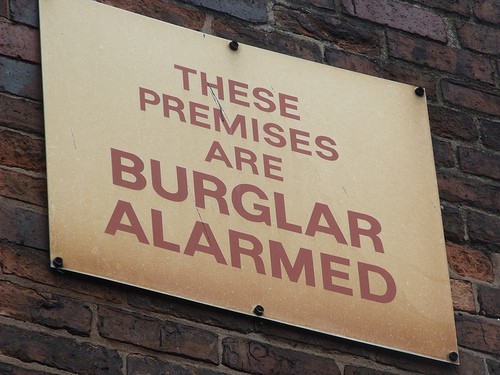
 Ensuring the safety of your home is a top priority for many homeowners today. With advancements in technology and a wide array of security measures available, there are numerous ways to protect your residence from potential threats. Whether you’re looking to update existing systems or install new ones, knowing the best options can offer peace of mind and an increased level of safety. Below, we explore effective strategies for enhancing home security.
Integrating Motion Sensor Lighting for Perimeter Defense
Motion sensor lighting is a simple yet effective way to boost home security. By illuminating dark areas around a property, these lights can startle intruders and alert homeowners and neighbors to potential threats. They also make returning home after dark safer by lighting up walkways, entrances, garages, and backyards. Strategic placement is key, and combining these lights with cameras or alarms can further strengthen a home’s security.
Choosing the right motion sensor light is important. LED bulbs offer bright, energy-efficient lighting, and adjustable sensitivity helps prevent false alarms. Well-lit exteriors also act as a psychological deterrent, signaling a monitored and maintained property. For convenience and reliability, homeowners can consider solar-powered options, like the Buy Twin Head Solar Security Lamp Post from Festive Lights, which work even during power outages.
Upgrading Locks to Smart Security Systems
Traditional locks are increasingly being replaced by smart locks and keyless entry systems, which offer enhanced security and convenience. These systems allow homeowners to control access remotely through smartphone apps and can be programmed for entry during specific times, reducing risks associated with lost or stolen keys. Many smart locks include tamper alarms and activity tracking, providing real-time alerts to homeowners and potentially law enforcement.
They are often resistant to conventional lock-picking methods. Integration with voice assistants and home automation platforms enables seamless coordination with cameras, alarms, and other devices, creating a more efficient and user-friendly security system. Though the initial cost may be higher, the benefits in protection and convenience are significant.
Implementing a Robust Alarm and Surveillance Network
A strong home security strategy often combines an alarm system with a comprehensive surveillance network. Alarm systems alert homeowners and authorities to potential intrusions, deterring burglaries and providing critical response time. Modern systems can be tailored to a home’s specific layout and needs. Surveillance cameras enhance security by capturing high-resolution imagery, offering night vision, and sometimes featuring facial recognition, while allowing remote monitoring via the internet.
Proper placement of cameras and sensors is essential to cover all entry points and key areas, and regular testing ensures optimal performance. Integrating cameras with smart home platforms enables real-time updates and live feeds on mobile devices, supporting swift action when threats are detected.
Reinforcing Doors and Windows Against Intruders
Physical reinforcements at a home’s entry points greatly enhance security. Doors can be strengthened with durable materials, high-quality deadbolts, and reinforced frames and hinges to resist forced entry. Windows, often vulnerable, can be secured with locks, shatter-resistant glass, bars, or sensors that alert homeowners to break-in attempts.
Ground-floor or high-risk windows benefit from protective films or exterior shields that prevent glass from shattering and reduce the risk of injury. Landscape design also contributes to security, with thorny bushes or natural barriers beneath windows deterring intruders. Well-placed outdoor lighting around doors and windows increases visibility, making it easier to detect unauthorized activity and discourage break-ins.
Establishing a Safe Room for Emergency Situations
Creating a safe room, or panic room, is a key component of home security, providing protection during emergencies such as home invasions or natural disasters. These rooms are reinforced to withstand attacks and often include communication systems to contact authorities.
Effective safe rooms should be accessible to all family members while remaining discreet, with fortified walls, doors, and ceilings, and an independent power supply. Stocking essential supplies like water, non-perishable food, and medical kits ensures readiness. The room’s location and existence should be known only to trusted individuals, and household members should be trained on its use. Regular drills can improve preparedness and security.
Overall, taking a multi-faceted approach to home security can significantly reduce the likelihood of your home being targeted by intruders. By incorporating advanced lock systems, alarms, surveillance, physical reinforcements, motion sensor lighting, and establishing a safe room, homeowners can create a robust security environment. Wielding these layers of defense, individuals can ensure the sanctity of their homes and the safety of their loved ones.
Ways To Boost Security for Your Home
- The Importance Of Investing In Home Security Systems
- Types of Security Fences
- Home Security Measures To Take Before Traveling
