Key Takeaways
- Stop heat before it reaches the glass, roof, and living areas whenever possible.
- Check filters, airflow, insulation, air leaks, and ducts before assuming the cooling system is the only problem.
- Use thermostat schedules and room-by-room comfort checks to avoid unnecessary cooling.
- Choose major upgrades based on the home’s layout, existing ductwork, insulation, and household needs.
Keeping a desert home comfortable takes more than setting the thermostat lower. Strong sun, hot roofs, windblown dust, and long cooling seasons can add stress to both the house and its equipment. A layered approach that combines shading, maintenance, air sealing, and thoughtful equipment choices can make rooms feel more consistent while reducing energy waste. It can also help homeowners identify smaller building-performance issues before they become expensive comfort complaints or premature equipment-replacement decisions.
When an aging system needs replacement, a properly planned high-efficiency HVAC installation should account for the home’s insulation, windows, duct condition, and cooling load. Installing larger equipment without addressing heat gain or airflow problems may leave the underlying comfort issues unresolved. Oversized equipment can also cool a thermostat location quickly while leaving distant rooms, upper floors, or sun-exposed spaces less comfortable.
Why Desert Homes Need A Different Cooling Plan
Desert homes absorb heat from several directions at once. Sunlight warms windows and exterior walls, attic temperatures can rise sharply under a sun-exposed roof, and gaps around doors or ceiling penetrations can allow hot outdoor air into conditioned spaces. Dry air can make evenings feel cooler, but it does not eliminate the effect of daytime heat stored in the building.
A well-maintained air conditioner can still run frequently when attic insulation is thin, west-facing windows receive direct afternoon sun, or ducts pass through a hot attic. Instead of treating the HVAC system as the only line of defense, examine how the entire building handles heat. This whole-home perspective is particularly useful when the thermostat appears to be working normally, but comfort varies noticeably from one room to another.
Start With Heat Control At The Windows
Windows are often a major source of uncomfortable solar heat, especially on west-facing walls. Close blinds, curtains, or cellular shades before direct sun reaches the glass. Exterior measures, including awnings, shade structures, solar screens, and carefully placed trees, can be especially useful because they intercept sunlight before it heats the window.
Focus first on rooms that become uncomfortable in the late afternoon. If one bedroom or living area consistently feels warmer than the rest of the home, note when the problem begins and whether sunlight, poor airflow, or a nearby attic space may be contributing to it. Keeping a short record for several hot days can make patterns easier to explain when discussing possible improvements with a contractor.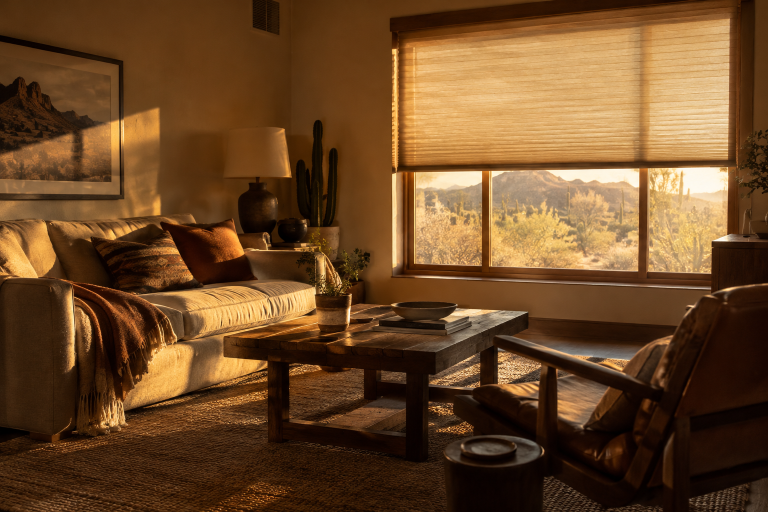
Improve Insulation And Air Sealing
Attic insulation slows the transfer of heat from the roof into the rooms below, while air sealing limits unwanted outdoor air movement. Before replacing a functioning cooling system, inspect accessible areas for gaps and insulation problems. The Department of Energy’s home-upgrade guidance includes insulation, air sealing, duct sealing, efficient cooling equipment, and thermostat controls as measures homeowners can consider.
Common leak locations include:
- Attic hatches and pull-down stairs
- Door frames and worn weatherstripping
- Window edges and wall penetrations
- Recessed lighting openings
- Plumbing, wiring, and vent openings through ceilings or exterior walls
Sealing visible gaps is often a manageable first step, but some openings affect fire safety, ventilation, or electrical systems. When in doubt, have an experienced professional identify the correct materials and approach. It is also important not to block intentional ventilation openings or combustion-air requirements for fuel-burning appliances.
Use Thermostats And Airflow More Carefully
A programmable or smart thermostat can align cooling with daily routines. Set a comfortable temperature when people are home, then make modest adjustments when the house is empty or when occupants are asleep. Avoid making extreme changes that require the system to work hard to catch up during the hottest part of the day.
In some homes and utility-rate plans, pre-cooling during a less expensive or cooler period may be worth discussing with an HVAC professional or energy advisor. The best schedule depends on the building’s ability to hold temperature, household routines, and local electricity pricing.
Dusty conditions can load HVAC filters quickly. Check the filter monthly during heavy cooling periods and replace it when it is visibly dirty or according to the equipment manufacturer’s guidance. Do not automatically choose the densest available filter, as excessive resistance can restrict airflow in systems not designed for it. Make sure the replacement filter is installed in the correct direction, following the airflow arrow printed on its frame.
Restricted airflow may show up as weak supply vents, uneven room temperatures, longer cooling cycles, excess dust, or ice on system components. Keep supply registers and return grilles clear of furniture, rugs, curtains, and stored items so air can circulate properly.
Check Ductwork Before Blaming The Air Conditioner
Duct leaks, disconnected sections, and poorly insulated attic ducts can send cooled air into spaces where it does little good. Warm rooms, unusually dusty air, and high cooling costs can all justify a closer look at the duct system. A professional inspection is helpful when ducts are concealed or difficult to reach safely.
For a home with a sound air conditioner but uneven temperatures, sealing and insulating accessible ducts may be more practical than immediately replacing the equipment. Any changes should preserve proper airflow and avoid crushing or sharply bending flexible duct runs. Supply and return pathways both matter, since rooms need a way for air to circulate back to the central system when doors are closed.
Use Cool Nights When Conditions Allow
Desert evenings can offer an opportunity to release indoor heat. Open windows only when the outdoor temperature is lower than the indoor temperature, security is appropriate, and outdoor air quality is acceptable. Close windows and shades again as temperatures rise in the morning.
Whole-house fans may help suitable homes draw cooler evening air indoors, but they require adequate attic ventilation and proper installation. Keep windows closed during dust storms, wildfire smoke, or other poor-air conditions. Ceiling fans can also improve perceived comfort for occupants, although they cool people rather than lowering the actual room temperature.
Consider Heat Pumps And Zoned Cooling
Heat pumps provide both cooling and heating, making them an option for many homes that need to replace older equipment. Ductless mini-splits can also provide targeted cooling for additions, offices, garages, or rooms that remain uncomfortable despite normal central-system operation.
Efficiency ratings matter, but they are only part of the decision. Proper sizing, duct design, electrical capacity, installation quality, expected maintenance, sound levels, and the home’s insulation all influence real-world comfort. Compare whole-home and zoned options based on how each room is actually used. A rarely occupied guest room may have different cooling needs than a home office used during the hottest hours of the day.
Protect Indoor Air Quality During Hot Weather
Closing windows can reduce the amount of dust entering a home, but clean filters and appropriate ventilation still matter. Portable air cleaners may be useful in bedrooms or frequently used rooms during smoky or dusty conditions. The EPA explains that air cleaners and air filters in the home can help reduce certain airborne particles, but they do not replace controlling the source of pollution.
Avoid devices marketed to create ozone indoors. Households with children, older adults, or people with asthma or allergies should take added care during heat, smoke, and dust events. Follow local public-health guidance during severe smoke events, especially if outdoor air quality makes opening windows unsafe.
Create A Simple Home-Cooling Checklist
- Inspect the HVAC filter and replace it when needed.
- Check doors, windows, attic hatches, and visible openings for air leaks.
- Close shades before intense afternoon sun reaches the glass.
- Keep vents and return grilles unobstructed.
- Schedule seasonal equipment service before peak heat arrives.
- Note rooms with persistent hot spots or weak airflow.
- Review thermostat schedules and household cooling habits.
- Compare shading, insulation, duct sealing, and equipment upgrades before making a major purchase.
When To Call A Professional
Arrange trained service if the system blows warm air, trips breakers repeatedly, makes unusual noises, develops ice, or leaves one room hot despite normal airflow. Refrigerant work, electrical repairs, duct modifications, and equipment sizing are not casual do-it-yourself projects. A qualified evaluation can identify whether the issue is equipment failure, airflow, duct leakage, insulation, or a combination of factors. Ask the technician to explain the likely cause of the problem and whether repair, building improvements, or replacement is the most appropriate next step.
Build Comfort In Layers
Desert-home comfort results from several systems working together. Shade reduces solar heat; insulation and air sealing slow heat transfer; clean filters support airflow; sealed ducts deliver conditioned air; and properly selected equipment handles the remaining load. Start with the most obvious comfort problems, prioritize improvements that fit the home and budget, and build a plan that helps the house perform better through every hot season.
More tips for staying cool in the heat:
