A backyard pool can make family time at home feel like a mini vacation. But between work, school schedules, errands, and everything else on a busy mom’s calendar, pool maintenance can easily become another task that gets pushed to the weekend.
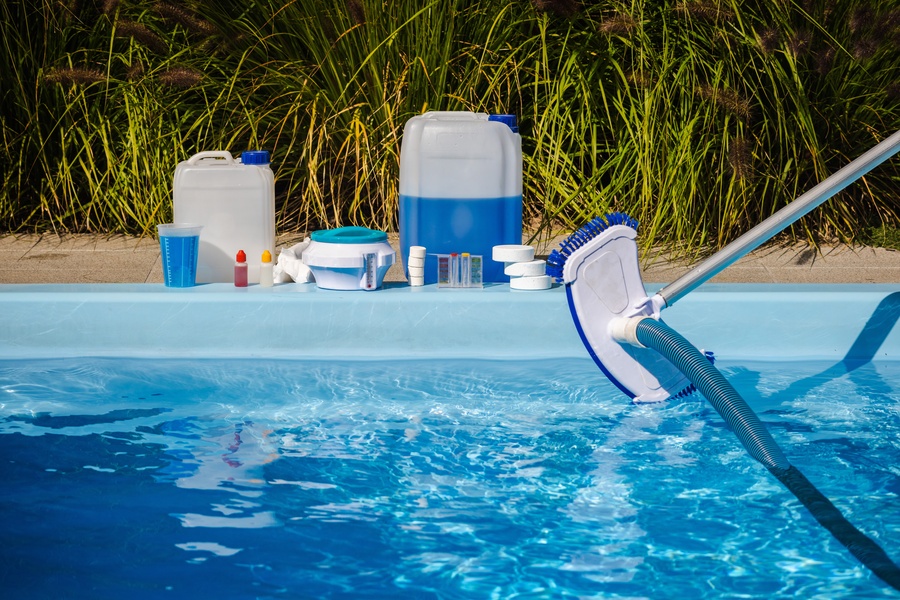
The good news is that pool care is much easier to handle when it is broken into small, repeatable jobs. This ultimate maintenance checklist organizes the essentials by frequency so pool owners can spend less time wondering what needs attention and more time enjoying the water.
Daily: Give the Pool a Quick Check
A few minutes of attention each day can help prevent small issues from becoming bigger weekend projects. These pool checks are especially useful during hot weather or periods of heavy swimming.
Look at the Water
Clear water is a good sign, while cloudiness, unusual colors, foam, or visible debris deserve attention. A quick visual check can often alert pool owners to changing water conditions before they become more difficult to manage.
Check the Water Level
Water levels naturally fluctuate because of evaporation, splashing, rainfall, and other factors. Keep the level within the range recommended for the pool and its skimming system so equipment can operate properly.
Remove Obvious Debris
Use a skimmer to grab leaves, insects, grass, and other floating debris from the pool. Doing this regularly keeps organic material from sinking to the bottom and turning a two-minute task into a longer cleaning session.
Weekly: Handle the Core Cleaning Tasks
For many busy households, it helps to choose one regular pool day each week. Pairing these jobs with an existing weekend routine can make them easier to remember.
Test the Water Chemistry
Testing helps determine whether the pool water is properly balanced and sanitized. Pool owners should monitor factors such as pH, sanitizer levels, and alkalinity according to the needs of their pool and the products or system they use.
Avoid adjusting chemicals based on guesswork. Follow product directions carefully and keep pool chemicals secured away from children and pets.
Brush Pool Surfaces
Walls, steps, corners, ladders, and other areas can collect buildup even when the pool water looks clean. Regular brushing helps loosen material before it becomes harder to remove.
Pay particular attention to areas with limited water circulation. These spots sometimes need more hands-on cleaning compared to open areas of the pool.
Vacuum the Pool
Vacuuming removes dirt and debris that settle on the pool floor. Whether the household uses a manual vacuum or an automatic cleaner, regular floor cleaning keeps the pool looking inviting and reduces accumulated debris.
Empty Skimmer and Pump Baskets
Leaves and other material can fill the baskets surprisingly quickly, especially after storms or windy days. Check and empty them as necessary to support proper water flow.
Monthly: Inspect What Keeps the Pool Running
Cleaning the visible elements of a pool is only part of the job. The equipment behind the scenes deserves routine attention, too.
Inspect the Filter
Different pool filter types have different maintenance requirements. Check the manufacturer’s guidance for cleaning, backwashing, or replacing components, and watch for signs that filtration performance has changed.
Look Over the Equipment Area
Inspect pumps, pipes, fittings, and other accessible equipment for drips, unusual noises, or visible wear. Catching an issue early may help prevent a more disruptive problem later.
Keep the equipment area tidy as well. Clear access makes routine pool checks easier and helps ensure problems are not hidden by clutter.
Check Safety Features
Pool maintenance should include the features that help protect the family, not just the water. Inspect gates, latches, covers, alarms, fencing, ladders, and other safety equipment regularly and address damage promptly.
Occasionally: Think About the Water Itself
Routine chemical balancing and filtration do not necessarily mean the same water should remain in a pool indefinitely. Over time, dissolved materials can accumulate, and there may be circumstances in which replacing some or all of the water becomes appropriate.
There is no universal timeframe that works for every pool. Factors such as usage, water conditions, maintenance history, and local circumstances are all worth taking into consideration when determining how often you should change the water in your pool.
Draining a pool can also involve structural, groundwater, equipment, and local water-disposal considerations. When a full pool drain is being considered, professional advice can help homeowners avoid unnecessary risks.
Seasonally: Prepare for Changing Conditions
Pools may need different care approaches as temperatures, weather, and household routines change. Seasonal maintenance can prevent the first swim of the season—or the final cleanup—from becoming overwhelming.
Prepare for Peak Swimming Season
Before the pool starts getting regular use, inspect equipment, clean surfaces, test the water, and make sure safety features are working correctly. Restock commonly used maintenance supplies before they run out. This is also a useful time to review household pool rules with children and frequent guests.
Plan for Storms and Extreme Weather
Heavy rain, wind, and severe weather can affect pool water levels, introduce debris, and change water conditions. After significant weather events, inspect the pool and equipment right away rather than assuming the usual schedule will be enough.
Follow the Right Winter Routine
In climates where pools are closed for winter, proper winterization can protect equipment and surfaces during freezing weather. Pools that remain open year-round may still require a modified maintenance routine when swimming frequency and temperatures drop.
Make Pool Maintenance Fit a Busy Schedule
The easiest maintenance plan is one the household can realistically keep up with. Instead of saving every task for one exhausting Saturday, divide the work into quick daily checks, a weekly cleaning block, and less frequent equipment inspections.
A simple phone reminder or printed pool maintenance checklist can also take the mental load out of remembering what comes next. Supplies can be stored together in a secure location so routine tasks do not begin with a search for test strips, brushes, or skimmers.
Consistency is more useful than trying to make every pool maintenance session perfect. With a predictable routine, pool care can become another manageable household system and leave more time for the part families actually look forward to: getting in the water.
More Tips for Pool Owners:
