Few boating problems feel more frustrating than turning the key and hearing a weak click. The battery seemed fine earlier, yet the electronics quietly pulled away the power you needed to start the engine.
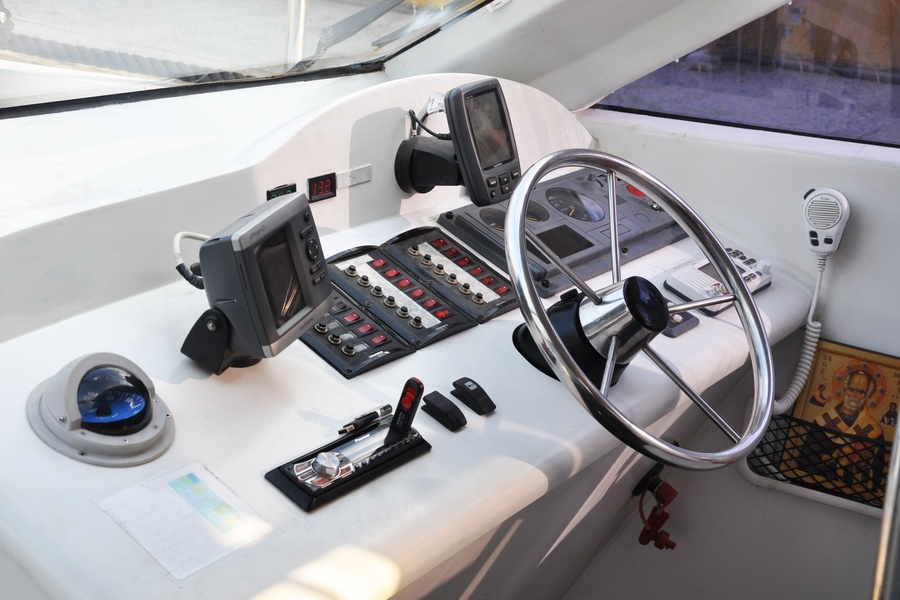
Modern boats carry far more electrical equipment than older models did. Chartplotters, fish finders, radios, pumps, lights, refrigerators, stereos, and phone chargers all compete for a limited supply of stored energy.
The drain often feels sudden because boaters rarely see it happening. Each device may use a modest amount of power, but several devices running together can empty a battery much faster than expected. Here’s why boat electronics drain batteries so quickly.
Electronics Never Work Alone
A chartplotter alone may not create a serious problem during a short trip. Add a fish finder, VHF radio, livewell pump, stereo, and cabin lights, and the total electrical load rises quickly.
Many boaters focus on the largest device and overlook the combined draw. The battery responds to the full load, not the label on one screen or pump.
Some electronics also pull more power during startup or heavy use. A stereo amplifier may demand extra current at high volume, while a pump may draw more when debris restricts water flow.
Long Days Add Up
Battery drain depends on both power demand and operating time. A low-draw device can still consume a large share of available energy when it runs for several hours.
A fish finder that stays on from sunrise through late afternoon keeps drawing current the entire time. Add repeated radio transmissions, phone charging, and music, and the battery loses energy hour after hour.
Long idle periods create the biggest risk. When the engine stops, the alternator no longer replaces the power that accessories consume.
Starting Batteries Have Limits
Many boats rely on a starting battery to crank the engine and power onboard electronics. That setup may work during short outings, but it leaves little room for long accessory use.
Manufacturers design starting batteries to deliver a strong burst of current for a brief period. They don’t handle repeated deep discharge as well as deep-cycle batteries do.
When electronics pull a starting battery below a safe level, the battery may still run lights and screens. It may not hold enough power to crank the engine, which makes the failure seem abrupt.
Reserve Capacity Counts
Boaters often compare batteries by cold-cranking amps, but that number only tells part of the story. Manufacturers use a rating called battery reserve capacity to describe how long a battery can support a steady electrical load.
A battery with more reserve capacity can run electronics longer before voltage drops too far. However, even a strong battery will struggle when the boat carries a large load for many hours.
Age also reduces usable capacity. A battery may still accept a charge while storing far less energy than it did when new.
Voltage Drops Cause Trouble
Boat electronics need stable voltage to work correctly. As the battery discharges, voltage falls, and sensitive equipment may shut down, restart, freeze, or display warnings.
Those symptoms can appear before the battery goes completely flat. A chartplotter may reboot when a pump starts because the sudden current demand pulls voltage below the device’s operating range.
Loose connections and corrosion make the drop worse. Resistance in a cable, terminal, fuse holder, or switch wastes energy and limits the current that reaches each device.
Hidden Loads Keep Drawing
Some equipment uses power even when the main screen looks dark. Memory circuits, network modules, stereo clocks, automatic bilge pumps, security systems, and battery monitors may stay active after you leave the boat.
These hidden loads seem small, but several days at the dock can turn a minor draw into a dead battery. A battery switch may not disconnect every circuit, especially when installers wire safety equipment directly to the battery.
Pumps Use More Than Expected
Pumps often create a larger load than boaters realize. Bilge pumps, washdown pumps, freshwater pumps, baitwell pumps, and livewell pumps can run often during a busy day.
A clogged filter or restricted hose forces a pump to work harder and draw more current. A failing pump can also run longer because it no longer moves water efficiently.
Automatic bilge pumps deserve special attention. A leaking fitting, dripping shaft seal, or faulty float switch can trigger frequent cycles and drain a battery while no one watches.
Charging May Fall Short
Many boaters assume the engine replaces every amp that electronics use. In practice, the alternator may not produce full output at idle, and the boat may spend much of the day trolling or drifting.
Short engine runs also limit charging time. Starting the engine for a few minutes won’t fully replace the energy that several hours of electronics consumed.
The alternator must support the active load before it can recharge the battery. When electronics use most of the available output, the battery receives only a small charging current.
Wiring Shapes Performance
Undersized wire creates resistance, especially across long cable runs. The resistance wastes power and lowers voltage at the device.
Dirty terminals, weak grounds, loose crimps, and corroded connections create the same problem. Salt, moisture, and vibration attack weak points quickly.
Marine electronics may draw more current when they struggle with low voltage. That response can increase battery drain and create unstable operation.
Separate Battery Banks Help
A dedicated house battery bank gives electronics their own energy source. The starting battery then keeps its charge for engine cranking.
Many boats use a battery selector, isolator, or automatic charging relay to manage the banks. A well-planned setup lets the alternator charge both banks while reducing the chance that accessories will drain the starting battery.
Deep-cycle batteries suit long accessory use better than starting batteries. They tolerate repeated discharge more effectively and provide useful power over longer periods.
Better Habits Extend Runtime
Start by identifying every device that draws power. Include equipment that runs automatically and gear that stays active when the display turns off.
Turn off electronics you don’t need, lower screen brightness, reduce stereo volume, and limit unnecessary pump use. Small adjustments can preserve a surprising amount of battery capacity during a long day.
Check terminals, grounds, fuses, switches, and charging voltage on a regular schedule. Clean, tight connections help the system deliver and replace power efficiently.
Power Without Surprises
Boat electronics drain batteries quickly because many small loads combine, hidden devices keep working, and charging systems often get less time than boaters expect. Battery age, wiring resistance, pump problems, and long idle periods can speed up the drain even more.
Once you understand where the power goes, you can make practical changes. A stronger battery plan, cleaner wiring, smarter equipment use, and regular checks can keep your screens running without sacrificing the power you need to get home.
More Tips for Boat Owners:
