Image Credit: Unsplash
A safer, healthier home depends on more than locks and alarms. Indoor air, moisture, temperature and routine maintenance all affect how comfortable your home feels and how well it protects the people living there.
Smart devices can help you spot changes early, but technology works best when paired with sensible upkeep. The following improvements address everyday risks without turning your home into a complicated control center.
Beyond Basic Home Security
Modern home protection can include connected smoke alarms, carbon monoxide detectors, water sensors and video doorbells. Place leak sensors near washing machines, water heaters and sinks, then set alerts to reach your phone when you’re away.
Physical maintenance matters too. Lint buildup can restrict airflow and increase drying time, so check the exterior vent while the dryer runs. If airflow seems weak or clothes stay damp after a normal cycle, arrange to get your dryer vent professionally cleaned.
Air Quality and Climate Control
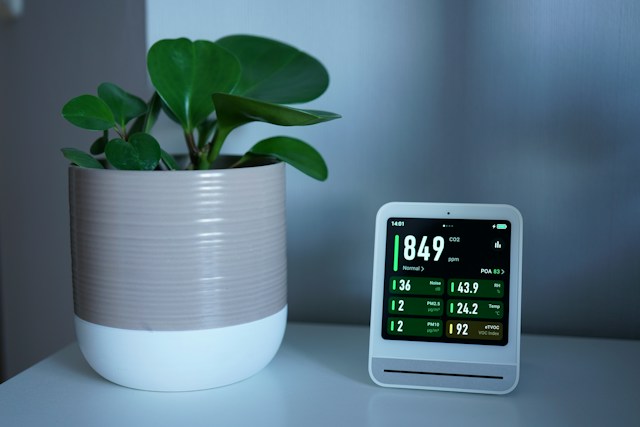
Start with the air you breathe. A smart indoor air monitor can track humidity, fine particles and carbon dioxide, revealing problems that aren’t obvious by sight or smell. The practical guidance on smart indoor air technology explains how connected monitors and climate controls can help households respond to changing conditions.
Aim for indoor humidity between 30 and 50 percent. High readings may signal poor ventilation or hidden moisture, while very dry air can irritate skin and airways. Replace heating and cooling filters according to the manufacturer’s schedule, run bathroom fans during showers and use kitchen ventilation whenever you cook.
Mitigating Common Household Risks
Focus on places where water, heat and electricity meet. Check under sinks for damp cabinet surfaces, inspect appliance hoses for bulges and keep cords away from wet areas. A small water sensor beneath a dishwasher can provide an early warning before a slow leak damages flooring.
Experts also recommend practical measures such as removing shoes at the door, reducing dust and choosing safer cleaning practices. Harvard’s healthier home tips cover ventilation, pest prevention and chemical exposure. Store household cleaners in their original containers, never mix products and keep labels readable. Test smoke and carbon monoxide alarms monthly, then replace batteries or units as directed by their manufacturers.
Proactive Maintenance with Tech
Create a digital maintenance calendar instead of relying on memory. Schedule filter changes, gutter checks, drain inspections and appliance servicing, then attach photos or notes to each task. If a stain appears on the ceiling, an older photo can help you determine how quickly it’s spreading.
Smart plugs can show unusual energy use from selected appliances, while moisture meters can help investigate suspicious walls or baseboards. Technology should prompt an inspection, not provide a final diagnosis. If an alert repeats or readings keep rising, find the physical cause or call a qualified professional. Review notification settings every few months so urgent warnings don’t get buried among routine updates.
A Holistic Approach to Well-being
Home health also depends on comfort and habits. Use programmable lighting to brighten work areas during the day and soften bedrooms in the evening. Keep frequently used rooms at stable temperatures, reduce clutter around vents and leave clear walking paths for children, older adults and visitors.
Avoid connecting every device simply because an app is available. Choose tools that address a specific concern, such as basement moisture or poor bedroom ventilation, and protect them with unique passwords plus automatic software updates. A brief monthly walk-through can catch loose railings, blocked vents and dripping fixtures. Pair that check with a review of your sensor dashboard, paying special attention to any reading that has changed for two months in a row.
More Smart Solutions for a Safer, Healthier Home Environment:
