 Image credit Unsplash
A heat pump needs regular care to deliver steady heating and cooling without wasting energy. Most maintenance tasks are simple enough to fit into a normal home care routine, while an annual professional visit can catch wear before it leads to an uncomfortable breakdown. Knowing what to check each month and when to call a technician helps protect both comfort and equipment life.
Start with filters and airflow
Check the air filter every month, especially during periods of heavy heating or cooling. A clogged filter restricts airflow, forcing the system to run longer to reach the thermostat setting. Many filters need replacement every one to three months, though homes with pets, ongoing renovations or high pollen levels may need more frequent changes.
Use the filter size and efficiency rating recommended for your system. A higher rating isn’t automatically better because a dense filter may reduce airflow in equipment that wasn’t designed for it. The DIY maintenance checklist offers a useful overview of routine tasks homeowners can safely handle.
Know when to schedule professional help
Book a professional maintenance appointment once a year, ideally before the season when you expect the system to work hardest. A technician can inspect electrical connections, test controls, clean internal components, and confirm that the equipment is transferring heat correctly. Homeowners in Ann Arbor who notice performance problems can also use local heat pump services for system diagnostics, repair or replacement.
Don’t wait for a complete shutdown if the unit starts making unfamiliar noises, turning on and off frequently, or blowing air that never reaches the expected temperature. A sudden rise in energy use can also point to a mechanical or airflow problem.
Keep the outdoor unit clear
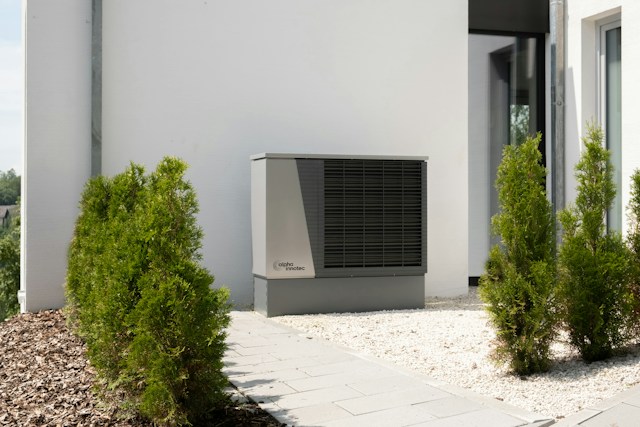
The outdoor unit needs open space around it to move air efficiently. Turn off the system before removing leaves, grass clippings, and loose debris from the surrounding area. Keep plants trimmed back by about 2 feet and check that shrubs haven’t grown across the coil or fan opening.
After storms, look for branches, packed snow or other material resting against the cabinet. You can gently rinse dirt from the exterior coil with a garden hose, but avoid high-pressure spray because it may bend the thin metal fins. If the unit appears damaged, tilted or heavily coated with grime, leave the deeper cleaning to a trained technician.
Watch how the system behaves
Small changes often provide the first warning that maintenance is due. Pay attention to how long the heat pump runs, how evenly rooms feel, and how often the backup heat indicator appears during cold weather. Some backup operation is normal when outdoor temperatures drop, but frequent use in mild conditions may signal a problem.
Compare utility bills with the same months from the previous year, accounting for major weather differences. A steady increase without a clear cause deserves investigation. If you’re considering new equipment, the heat pump buying guide explains sizing, efficiency ratings and features that affect performance.
Check thermostats, vents and indoor comfort
Make sure supply vents and return grilles stay open and unobstructed. Furniture, curtains and storage boxes can block airflow, creating hot or cold rooms even when the equipment works correctly. Vacuum dusty grilles and leave several inches of clear space around them.
Use consistent thermostat settings where possible. Large temperature changes can trigger backup heating and raise energy use during winter. A programmable or smart thermostat may help maintain a practical schedule, but it must be compatible with the heat pump and configured correctly. For more guidance on maintenance visits and system care, this overview of professional heat pump services explains what homeowners can expect from qualified support.
Build maintenance into your home calendar
A simple schedule keeps routine care from getting lost among other household jobs. Mark filter checks on the first weekend of each month, clear the outdoor unit after yard work, and arrange professional service before extreme seasonal temperatures arrive. Save invoices and inspection notes so you can track repairs, part replacements, and changes in system performance.
During the next filter check, listen for new sounds and note whether each room reaches a comfortable temperature. Those observations take only a few minutes, but they give a technician useful details if the system later needs attention.
More heating tips:
