Key Takeaways
- Planning meals by neighborhood reduces travel time and leaves more room to explore.
- A realistic food budget includes drinks, taxes, fees, tips, and transportation.
- One anchor meal per day gives the weekend structure while keeping plans flexible.
- Restaurant choices work best when they match your appetite, occasion, and dietary needs.
- Confirmed hours, reservation details, and nearby backups help manage waits and unexpected changes.
San Francisco, California, rewards food travelers who plan by neighborhood rather than chasing one famous reservation after another. A well-built weekend can move from a bakery breakfast to a park walk, a casual lunch, a memorable dinner, and a late dessert without spending the day in transit. Start by browsing great restaurants to visit in San Francisco, then narrow your options based on where you will be staying, what you want to eat, and how much time you want to spend getting there.
The city’s hills, changing coastal weather, and distinct commercial corridors make a loose but deliberate plan especially useful. Instead of filling every hour, choose a few strong meal moments and let the surrounding neighborhood shape the rest of the day.
Table of Contents
- Why Neighborhoods Matter
- Set a Realistic Food Budget
- Build a Flexible Itinerary
- Choose by Craving and Occasion
- Plan Around Timing and Lines
- Use Transit and Walking Time Wisely
- Reservations, Walk-Ins, and Backups
- A Sample Food Weekend
- Final Planning Checklist
Why Neighborhoods Matter When Planning Meals
San Francisco is geographically small, but a short distance on a map can include a steep climb, a crowded corridor, or a slower transfer than expected. Planning one area at a time keeps the trip enjoyable. The Mission can support a daytime outing built around murals, shopping, casual meals, and nightlife. North Beach works well for a walkable mix of coffee, Italian cooking, and evening energy. Japantown, the Richmond, the Marina, and the Embarcadero each offer their own useful combination of dining and nearby activities.
A neighborhood-first approach also creates room for the parts of a trip that should not feel rushed. You can pause in a bookstore, browse a market, visit a museum, or take in waterfront views rather than treating every meal as a cross-city appointment.
Set a Realistic Food Budget
Choose a daily spending range before you begin saving restaurant ideas. Menu prices are only part of the total. Drinks, sales tax, service fees, gratuity, transportation, and spontaneous bakery stops can materially change the final number.
Simple Daily Budget Styles
- Value-focused: Pick counter service or a market meal during the day, share snacks, and make dinner the main event.
- Mid-range: Plan for a sit-down lunch or dinner, a coffee stop, and one drink or dessert.
- Special occasion: Reserve one higher-cost meal, then balance it with casual breakfasts and simple lunches.
Value does not always mean choosing the lowest listed price. A filling shared meal near your afternoon plans can be better value than a cheaper option that requires a long ride and leaves everyone hungry again an hour later.
Build a Flexible Food Itinerary
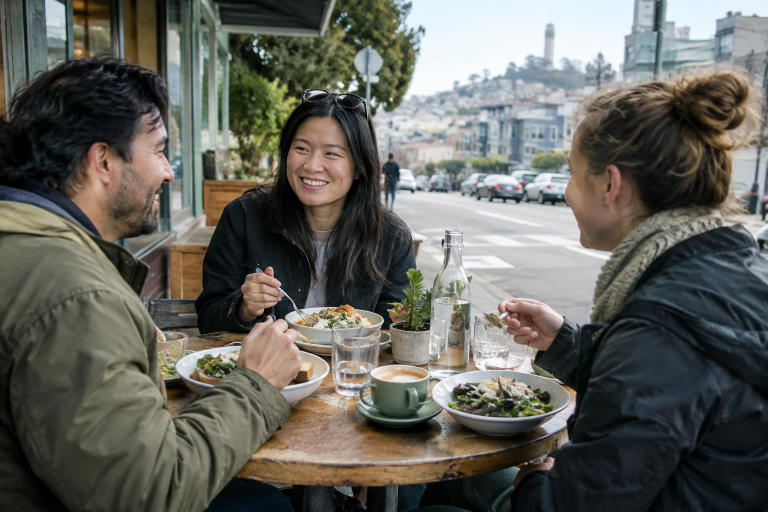
Use a structure that can absorb weather changes, delayed flights, long waits, and a sudden desire to linger somewhere good. Start with one anchor meal per day, such as Saturday dinner or Sunday brunch. Add one casual option within walking distance, then leave open space for coffee, dessert, or a snack.
- Reserve the meal that would be hardest to replace.
- Choose daytime food close to the day’s main sight or activity.
- Save two backup options in the same neighborhood.
- Avoid booking dinner across town immediately after a fixed event.
Choose Restaurants by Craving and Occasion
Decide what experience you want before comparing individual restaurants. A quick breakfast suits a morning ferry or museum visit. A long brunch fits a slower day. A tasting menu, celebration dinner, or date-night table deserves a clear evening and a route that does not depend on a rushed transfer.
- Quick coffee and pastry before sightseeing
- Relaxed weekend brunch
- Shareable lunch for a group
- Comfort food after a foggy or cool afternoon
- Seafood near the waterfront
- Vegetarian, vegan, or dietary-specific dining
- Family-friendly meals and early dinners
- Late-night food after a show or neighborhood walk
Plan Around Timing and Lines
Popular places can be easier to visit outside the busiest meal windows. An early lunch, midafternoon snack, or early dinner may offer a calmer experience than arriving at peak time. Check hours on the day of your visit, especially for weekend brunch, holiday weekends, and restaurants with limited service days.
Keep a snack in your bag if a wait would disrupt the rest of the plan. For larger groups, it is wise to confirm seating arrangements before traveling across the city.
Use Transit and Walking Time Wisely
Walking is one of the best ways to connect food stops with the character of the city, but account for hills, wind, and the energy level of everyone in your group. The Muni network of buses, Metro trains, streetcars, and cable cars can help link neighborhoods, but build extra time around a reservation rather than aiming to arrive at the exact minute.
For an outdoor break between meals, areas around the Presidio and waterfront offer a natural reset. The Golden Gate National Recreation Area includes parks, coastal settings, and historic sites, making it easier to pair a picnic, coffee, or casual lunch with time outside.
Handle Reservations, Walk-Ins, and Backups
Reservation policies vary widely. Some restaurants release tables well in advance, while others rely heavily on walk-ins, bar seats, counters, or same-day waitlists. Book the meal that matters most first, read the cancellation policy, and keep a nearby alternative in mind.
Useful Walk-In Strategies
- Arrive before the busiest dinner period when possible.
- Ask whether bar or counter seating is available.
- Keep the group small when flexibility matters.
- Choose a backup within a short walk rather than across town.
A Sample San Francisco Food Weekend
Friday Evening: Keep Arrival Simple
Choose a casual dinner near your hotel, arrival point, or first evening activity. If travel runs late, a nearby café, counter-service spot, or relaxed neighborhood restaurant is easier to adjust than a complicated reservation.
Saturday: Focus on One Area
Start with breakfast or brunch, then explore the surrounding streets on foot. Choose a flexible lunch with shareable dishes, leave room for an afternoon treat, and reserve dinner in advance if it is the weekend’s main meal.
Sunday: End Local and Unhurried
Pick a slower breakfast, use a bakery or casual counter for lunch, and finish with one last meal that reflects the cuisine or neighborhood you enjoyed most.
Final Planning Checklist
- Set a daily food budget that includes transportation and extras.
- Choose one anchor meal per day.
- Group restaurant options by neighborhood.
- Check current hours, dietary options, and reservation rules.
- Save at least one backup near every important meal.
- Leave room for snacks, dessert, and unexpected discoveries.
A successful San Francisco food weekend is not about checking off the most famous names. It is about matching each meal to your location, budget, appetite, and pace, then leaving enough space to enjoy the city between bites.
More weekend getaway trips:
- 6 Unique Things to Do in California
- Want to Take Your Family on a Weekend Getaway? Here Are Some Great Ideas
- Where Should Your Next Weekend Getaway Be?
