Key Takeaways
- Build a budget that includes transportation, labor, packing materials, fuel, storage, coverage, and a small reserve.
- Reduce the amount you move before requesting estimates or reserving a vehicle.
- Choose between DIY, labor-only, hybrid, and full-service options based on the work, access, and safety concerns involved.
- Compare written estimates using the same move details instead of focusing only on the lowest starting price.
- Keep safe lifting, careful packing, and mover verification in the plan.
- Confirm building access, parking, and timing requirements early so avoidable delays do not create added charges.
A low-cost move is not simply about choosing the cheapest truck or accepting the first quote. It is about matching the plan to the size of the move, the help you need, and the risks you can reasonably handle. Exploring affordable moving solutions can help you identify which expenses are essential and which ones can be reduced through preparation. The best savings usually come from decisions made early, such as decluttering, booking appropriate help, and understanding building rules, rather than from cutting corners on the day of the move.
For example, a renter moving across town may spend more than expected when boxes, parking, elevator reservations, fuel, extra labor, or a last-minute storage unit are added to a basic estimate. A practical budget accounts for those details before moving day, not after the truck is loaded. It should also account for the overlap between homes, such as utilities, deposits, cleaning costs, or temporary lodging if the move cannot be completed in one day.
Why a Low-Cost Move Needs a Real Plan
Moving costs grow when decisions are rushed. A truck that seems inexpensive may require extra mileage, fuel, equipment, or another rental day. A bargain moving crew may charge separately for stairs, long carries, packing, or furniture disassembly. Planning each part of the move makes it easier to avoid paying for preventable problems. It also helps you decide where it makes sense to spend: paying for a hand truck, furniture pads, or skilled assistance may cost less than replacing damaged belongings or dealing with an injury.
Set a Moving Budget Before Booking Help
Start with the maximum amount you can spend, then split that number into fixed and flexible costs. Fixed costs might include a deposit, a truck reservation, or a scheduled moving crew. Flexible costs can include fuel, tolls, additional boxes, cleaning products, food, lodging, and storage. Keep the budget in one written list or spreadsheet, and update it as reservations are made so the remaining amount is clear before you commit to optional services.
- Transportation or vehicle rental
- Loading and unloading labor
- Boxes, tape, labels, padding, and protective wrap
- Fuel, mileage, tolls, and parking
- Storage and access fees, if needed
- Liability coverage or valuation protection
- A modest emergency cushion for delays or access issues
Choose the Right Moving Model
The cheapest choice on paper is not always the least expensive after time, damage, and physical strain are considered. Compare the available models according to the actual work involved. Consider who will drive, who can safely lift, whether the route includes stairs, and how much time you have for loading, unloading, and returning rented equipment.
- Full DIY: Often suitable for a small load, light furniture, reliable helpers, and access to an appropriate vehicle. Watch for rental, mileage, fuel, equipment, and injury-related costs.
- Labor-only help: Useful when you can provide the truck but need experienced hands for large or heavy items. Confirm hourly minimums and travel charges.
- Hybrid moving: Lets you handle packing, driving, or simple boxes while paying for loading and unloading. It can balance savings with safer handling.
- Full-service moving: May be appropriate for larger homes, fragile belongings, difficult access, or a limited schedule. Ask exactly what packing, equipment, and protection are included.
Reduce the Load Before Requesting Estimates
Every item affects packing time, truck space, and handling effort. Sort possessions into keep, sell, donate, and recycle categories before asking for quotes. Start with broken items, duplicates, rarely used belongings, and furniture that may not fit the new home. Be realistic about the cost of transporting low-value items, especially bulky pieces that require extra wrapping, disassembly, or storage.
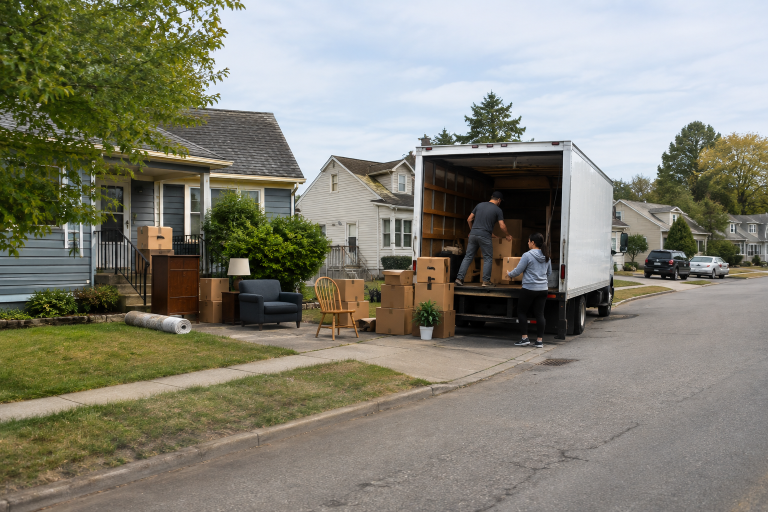
Measure large furniture and the relevant doorways, hallways, stairwells, and elevators before deciding to move it. Selling or donating an item that will not fit can be more practical than paying to transport, store, or replace damaged property. If an item can be disassembled, keep its hardware in a labeled bag and tape the bag securely to the item or store it with the essential move-day supplies.
Cut Packing Costs Without Creating Damage
- Collect sturdy, clean boxes from friends, local businesses, or community groups.
- Use towels, blankets, and clothing as cushioning for suitable non-fragile items.
- Use small boxes for books and other dense belongings to reduce lifting strain.
- Label each box with its room and a clear description of its contents.
- Buy stronger boxes, mattress covers, or specialty protection for fragile, valuable, or awkward items.
Free materials can reduce expenses, but damaged boxes and inadequate padding can create larger losses. Keep breakables separated, fill empty space to limit shifting, and do not overload a box simply because it still has room. Mark boxes containing fragile items on more than one side, and set aside an essentials box with items needed during the first night, such as toiletries, a change of clothes, basic tools, and important paperwork.
Pick a Date That Supports the Budget
If your schedule allows, ask whether a weekday or a shift of one or two days changes availability or pricing. Also confirm lease deadlines, building move-in rules, elevator reservations, loading zones, and parking requirements. A lower rate does not help if the building will not allow the truck to load when it arrives. Leave enough time for key handoffs, final cleaning, utility appointments, and unexpected traffic or weather delays, particularly when a rental vehicle must be returned by a specific time.
Find and Review Moving Estimates
Give every company the same details: origin and destination addresses, inventory, stairs, elevators, long carries, parking limitations, preferred date, and any special items. For interstate moves, review the rules for written moving estimates before signing. A binding estimate and a non-binding estimate work differently, and added services or changed inventory can affect the final amount. Ask each company to explain the estimate in plain language, including how additional time, extra items, difficult access, or rescheduling could change the bill.
Watch for Hidden Moving Expenses
Build a checklist for expenses that are easy to miss: packing supplies, deposits, insurance or valuation options, equipment rental, stair charges, long carries, parking permits, furniture assembly, appliance handling, fuel, tolls, meals, and storage extensions. Reviewing common unexpected moving expenses can help you ask the right questions before a small charge becomes a budget problem. Check whether deposits are refundable, whether equipment must be returned with fuel, and whether a building requires proof of insurance or a reserved loading time.
Check a Mover Before Signing
- Confirm the company’s legal name, phone number, and physical contact details.
- Ask whether it is the mover performing the work or a broker arranging it.
- Request written terms that list included services and possible added charges.
- Ask about liability coverage, damage claims, cancellations, rescheduling, and payment requirements.
- Be cautious if you are pressured to make a large cash payment or sign incomplete paperwork.
Save copies of the estimate, inventory, receipts, and any messages about changes to the move. Written records make it easier to confirm what was agreed upon if there is confusion about timing, charges, or the condition of an item after delivery.
Make Moving Day More Efficient
Finish packing before help arrives, keep walkways clear, and place ready-to-go boxes near the exit without blocking doors. Keep identification, leases, medication, valuables, chargers, and basic cleaning supplies with you. Photograph delicate items before loading and use a room-by-room checklist during unloading so problems are easier to identify quickly. Assign one person to answer mover questions and direct placement at the destination, which can reduce repeated trips and prevent boxes from being placed in the wrong rooms.
When Saving Money Is Not Worth the Risk
Professional assistance may be the safer choice for heavy appliances, safes, pianos, large furniture, narrow stairways, fragile antiques, severe weather, long-distance travel, or physical limitations. A cheaper plan can become costly if it causes injury, property damage, missed work, or a delayed move. If friends are helping, avoid asking them to handle items beyond their ability, and use proper lifting techniques, clear paths, and appropriate equipment rather than trying to rush difficult loads.
Frequently Asked Questions
What is the cheapest way to move?
It depends on distance, inventory, access, available equipment, and labor needs. A small DIY move can cost less, while labor-only or hybrid help may offer better value when heavy lifting is involved. The cheapest practical option is usually the one that avoids paying for truck space, labor hours, or services you do not actually need.
Should moving supplies be part of the budget?
Yes. Include boxes, tape, labels, padding, mattress protection, cleaning products, and replacements for supplies that fail or run out. Also account for specialty items such as wardrobe boxes, dish protection, or furniture covers when they are necessary for the belongings you are moving.
How many moving estimates should you get?
Compare several detailed estimates that describe the same work. A quick phone quote without an inventory or access details is harder to compare accurately. Review not only the total but also the assumptions behind it, including the estimated labor time, truck size, and any listed extra fees.
Is a low quote always a good deal?
No. It may exclude travel time, stairs, equipment, packing, fuel, or other services your move requires. A useful estimate is transparent enough that you can see what is included, what is optional, and what circumstances could increase the final price.
Conclusion: Build the Budget Around the Real Move
A lean moving budget is built by reducing unnecessary belongings, choosing the right level of help, comparing clear estimates, and planning for overlooked costs. Spend carefully, but do not cut safety measures that protect your belongings, your schedule, and your health. A clear plan gives you more control over the move, helps prevent last-minute decisions, and makes it easier to focus limited funds where they will have the greatest practical benefit.
More Tips on Working with a Moving Budget:
