Between school drop-offs, commutes, and grocery runs, your car works hard for your family. Replacing tires sooner than you expect can put an unwelcome dent in your budget.
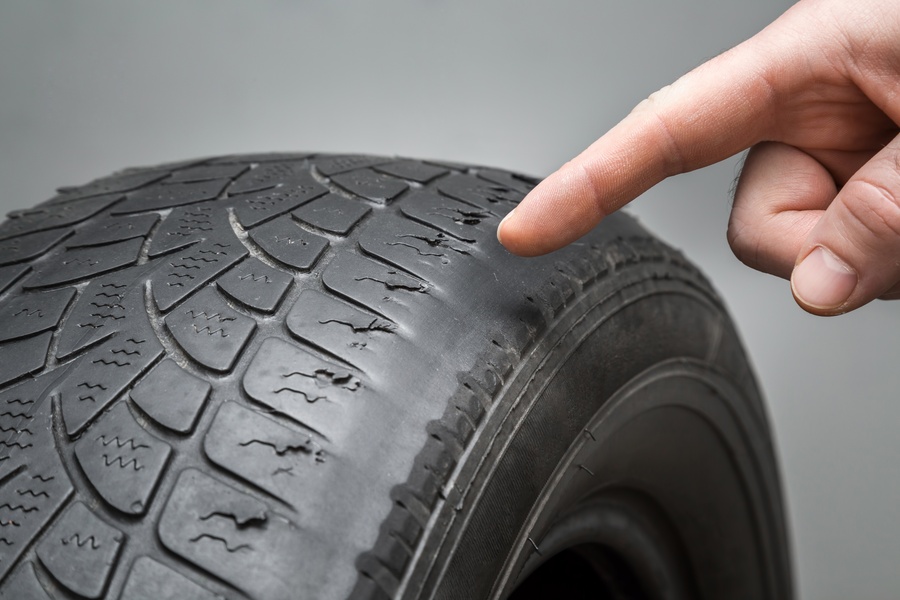
If this has become an all-too-common problem for your car, there’s likely a hidden cause behind it. Below, we’ll break down some possible reasons why your car’s tires are wearing out too quickly, and what you can do about it.
Incorrect Tire Pressure
Underinflated tires flex too much, creating extra heat and sometimes wearing down the tire tread’s inner and outer edges. Overinflated tires may wear more heavily in the center.
Either problem can reduce tire life. Low tire pressure can also increase fuel consumption, adding another expense to your commute.
What You Can Do
Check your tire pressure monthly and before long trips, preferably when the tires are cold. Follow the pressure listed on the driver’s door label or in your owner’s manual, not the maximum printed on the tire.
A tire-pressure warning light deserves attention, but it doesn’t replace a monthly check with a gauge. Some tires can lose pressure gradually without looking flat. If one tire frequently needs air, arrange an inspection for a puncture, leaking valve, or another issue rather than repeatedly topping it off.
Misaligned Wheels
If your car pulls to one side or your tread wears unevenly, your wheel alignment may need attention. Misaligned wheels can make tires scrub against the road instead of rolling smoothly.
Potholes, curb strikes, and worn suspension parts can contribute to alignment problems. Even a small issue can gradually wear away usable tread.
What You Can Do
Have a mechanic check your alignment when you notice unusual steering or one-sided wear. Fixing the cause early may protect your current tires and prevent the same problem with new ones.
You’re Stressing the Tires With Your Driving Habits
How you drive could also be the reason why your car’s tires are wearing out too quickly. Busy mornings make it tempting to rush, but driving habits affect how hard your tires work. Aggressive acceleration and sudden braking increase stress on the tread.
Driving speed impacts tire longevity, as the faster you go, the more heat your tires generate as they flex against the road. Underinflation or overloading can make that heat buildup more concerning.
What You Can Do
Allow a little extra travel time when possible. Accelerate smoothly, follow speed limits, and leave enough space to brake gradually in traffic. These habits can also make school runs less stressful.
You’re Missing Tire Rotations
Your tires don’t all perform the same job. On many front-wheel-drive vehicles, front tires handle steering and much of the driving force, so they may wear differently from rear tires.
Rotations help distribute wear across eligible tires. Skipping them can leave one pair worn out while another still has usable tread.
What You Can Do
Follow the rotation schedule in your owner’s manual. A common interval is about 5,000 to 8,000 miles, but your vehicle and tire arrangement determine the right timing and pattern. Add a reminder to your calendar so it doesn’t disappear beneath family obligations.
You’re Overloading Your Vehicle
A family car can quickly fill with sports gear, luggage, and shopping bags. Everyday cargo is usually manageable, but exceeding your vehicle’s load limit puts additional strain on its tires.
Extra weight can increase tire flexing and heat buildup. It may also affect steering and braking performance.
What You Can Do
Find your vehicle’s maximum load capacity on the driver’s door label. Remember that it includes passengers as well as cargo. Before a road trip, unload things you don’t need instead of treating your trunk as permanent storage.
Your Tires Don’t Match Your Needs
Tires vary in design. Some prioritize handling and performance, while others emphasize long tread life and everyday comfort.
The best choice for a daily highway commute might differ from what suits frequent winter travel. Buying tires solely because of their price can leave you with tires that don’t suit your driving conditions well.
What You Can Do
Check your vehicle manufacturer’s tire specifications before shopping. Compare appropriate tire types, treadwear warranties, and performance ratings. Keep in mind that a mileage warranty has conditions and doesn’t guarantee a particular lifespan.
Your Suspension Needs Attention
Your suspension helps keep tires in contact with the road. When shocks, struts, or other components wear out, tires may bounce or contact the pavement unevenly.
This can cause cupping, a patchy pattern of dips across the tread. You might also notice excessive bouncing, vibration, or unusual road noise.
What You Can Do
Ask a qualified mechanic to inspect new ride-quality problems or irregular wear. Wheel balance issues can create similar symptoms, so it’s worth getting a diagnosis rather than replacing tires without investigating the cause.
You’re Overlooking Warning Signs
Tires rarely make the top of a working mom’s to-do list. Yet a quick inspection can reveal issues before they lead to another unexpected appointment or expense.
What Different Wear Patterns May Mean
How your car’s tires wear provides an important clue as to the cause of the problem.
- Outer edges worn: Low tire pressure
- Center tread worn: High tire pressure
- One edge worn: Incorrect alignment
- Scalloped or patchy tread: Suspension or balance issues
These patterns are hints, not definitive diagnoses. A technician can pinpoint the underlying problem.
What You Can Do
Inspect your tires at least monthly for tread wear, cracks, bulges, and other damage. Replace tires once tread depth reaches 2/32 of an inch; wet or snowy conditions may call for replacement sooner. Promptly evaluate visible cords, bulges, or other serious damage.
Simple Tire-Care Habits for Busy Moms
Keeping tires in good shape doesn’t require an elaborate maintenance routine. It starts with a few small habits that fit your schedule.
Pair Tire Checks With a Monthly Task
Choose a recurring day to check pressure and look at the tread. Pair it with your budget review or another calendar reminder so you don’t have to remember one more separate errand.
Keep Service Records Handy
Save dates and mileage for rotations, alignments, and tire purchases in your phone. That makes it easier to spot overdue maintenance and explain recurring issues to a mechanic.
Notice How Your Car Feels
Pay attention if the steering changes, the ride becomes bouncy, or the vehicle starts vibrating. Getting a professional inspection early may prevent additional wear.
Keep Tire Maintenance Manageable
If it seems like you need to replace your tires frequently, there’s likely a problem. The good news is that you don’t have to overhaul your schedule to make a difference. Begin by checking inflation pressure and looking for unusual wear, then follow your vehicle’s recommended service schedule.
Small steps can extend tire life and help you avoid surprise replacement costs. Just as important, they help keep your family’s everyday drives safer and more predictable.
More tire maintenance tips:
