When an injury hits a family unexpectedly, life takes an immediate turn. What once felt steady and predictable becomes uncertain in an instant. A minor accident can quickly grow into a situation that demands attention, care, and a reshuffling of daily life. Family members find themselves adjusting to new realities that none of them anticipated.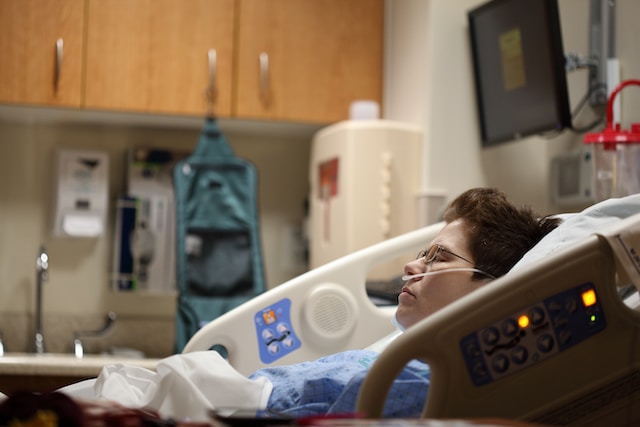
The disruption affects every person involved. It’s not just about the physical injury but the ripple effect that spreads through routines, responsibilities, and emotions. Schedules change, roles shift, and priorities rearrange, sometimes overnight. This upheaval can be overwhelming as families try to figure out how to move forward while still holding onto some sense of normal.
The shock of sudden injury often leaves families scrambling to make sense of what just happened. Emergency room visits, insurance forms, and doctor appointments fill the calendar before anyone has a chance to breathe. Parents might struggle to explain the situation to their children in a way that reassures them. Meanwhile, siblings and spouses must come to terms with a new reality where the injured person’s needs take center stage. This moment of upheaval reveals just how much everyday life relied on routines and roles that are no longer the same.
Personal injury and its reach beyond the obvious
According to Weston & Pape, injuries come in many forms and degrees, but their effects often go beyond what the eye can see. A broken bone or a hospital stay marks just the surface. Behind the scenes, families are dealing with pain, uncertainty, and often financial strain. Medical bills pile up while work hours might shrink, adding pressure to an already stressful time.
More than just physical healing is needed. Emotional recovery is equally important and often more complicated. Families may wrestle with feelings of helplessness or frustration as they adjust to new limitations or changed abilities. The injury shifts not only the person’s life but the family’s dynamics, forcing everyone to rethink their roles and relationships.
The consequences of injury ripple through every corner of family life. A parent who once managed everything may now rely on others for help, leading to feelings of frustration or loss of independence. Children might sense tension even if the adults try to shield them. Financial worries can increase stress, impacting decisions about work, care, and daily living. Yet amid these challenges, families also discover unexpected reserves of patience and compassion as they come together to face uncertainty.
How families adapt to new roles
When someone in the family becomes injured, others step into roles they might not have expected to fill. Caregiving becomes part of daily life, which can be exhausting but also deeply meaningful. Spouses, siblings, or children take on new responsibilities, balancing these duties alongside their existing ones.
This shift often brings out surprising strengths. Family members discover patience, resilience, and creativity as they find ways to support their loved one. While the change can be daunting, it also encourages closer bonds. The shared effort to manage the injury creates a sense of teamwork that helps families endure the tough times.
Taking on caregiving roles often requires learning new skills and making adjustments that affect everyone’s daily routine. It might mean helping with bathing, managing medications, or simply being a steady presence through the ups and downs. These new responsibilities can feel overwhelming and isolating, but they also offer moments of deep connection. Families often find that through these experiences, their relationships grow in ways they didn’t expect, with empathy and understanding becoming the glue that holds them together.
The emotional journey of healing together
Injuries affect more than just the body; they impact the heart and mind as well. Families often find themselves navigating a range of emotions like fear, anger, sadness, or guilt. These feelings can create distance if not addressed openly. Emotional healing requires space for conversations and understanding.
Talking honestly about struggles helps reduce tension and fosters connection. Seeking outside support when needed can be a vital part of the process. Over time, families often become stronger by facing these challenges together. The emotional journey is difficult but can lead to deeper empathy and unity within the family.
The emotional weight of injury can sometimes feel like a silent burden that everyone carries alone. Each family member may process pain differently—some withdraw, others become overly protective, and some might express frustration in unexpected ways. Recognizing these differences and giving space for each person’s feelings is crucial. When families create an environment where emotions can be shared safely, it becomes easier to lean on each other, heal wounds beyond the physical, and rebuild trust and hope for the future.
Practical ways families support recovery
Helping an injured family member heal requires more than sympathy; it calls for action. Adjusting daily routines to accommodate recovery, managing appointments, and providing encouragement are all essential parts of support. Even small acts like preparing meals or running errands ease the burden.
Families learn to be flexible as needs evolve over time. What works one week may not the next, so staying attentive is key. Creating a supportive environment means balancing care with patience. This ongoing involvement shows love in tangible ways and helps the injured person feel less alone.
Setting up practical systems to handle the daily demands of recovery can make a big difference. Whether it’s creating a shared calendar for appointments or dividing household chores, these small organizational steps reduce stress. Celebrating progress together, even if it’s just a little more independence or a better day, keeps spirits high. This blend of practical help and emotional support forms the foundation for steady healing in a family setting.
Finding hope and new normal after injury
Recovering from an unexpected injury often means redefining what normal looks like. Progress can be slow, and setbacks common, but celebrating small victories keeps hope alive. Families learn to accept changes and adapt their lives accordingly.
This process of adjustment reveals strength and growth. What began as a crisis becomes an opportunity for deeper connection and resilience. While the injury leaves its mark, families find ways to move forward together. Their shared experience becomes a foundation for healing and new beginnings.
As families settle into their new reality, they often discover fresh perspectives on what matters most. Simple joys, like spending time together or sharing a laugh, take on new meaning. The injury may have changed routines and plans, but it also uncovers a deeper appreciation for each other and the life they share. This hopeful outlook becomes a guiding light as families move beyond hardship toward renewed hope and strength.
More Personal Injury Tips:
- The Importance of Documenting Evidence in a Personal Injury Case
- Essential Tips for Building a Strong Personal Injury Case
- Guidelines for Pursuing Compensation for Personal Injury to Your Child
