Injuries happen when least expected and can shake the foundation of any family. One moment, life moves along its usual course. The next, a fall, accident, or unforeseen event disrupts daily routines. Suddenly, roles shift, priorities change, and the once simple tasks become challenges. This abrupt shift puts everyone on edge, especially when a loved one needs care and attention.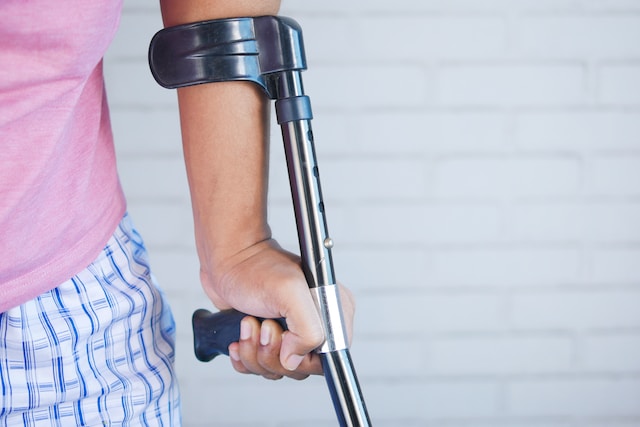
The emotional toll extends beyond the injured individual. Family members often feel helpless, overwhelmed by the new responsibilities. Managing medical appointments, household duties, and emotional support all at once takes a heavy toll. In these early days, families scramble to find balance while processing the shock and uncertainty ahead.
The unplanned nature of injury forces families into crisis mode, where every decision feels urgent yet overwhelming. Suddenly, caregivers must learn medical terminology, understand treatment plans, and coordinate schedules while juggling jobs and childcare. The household’s rhythm is disrupted, leading to exhaustion and emotional fatigue. Parents might worry about explaining the situation to children while maintaining stability. This whirlwind of change tests family resilience in unexpected ways, challenging their ability to stay connected and grounded amid chaos.
The ripple effects of personal injury in a household
According to Weston & Pape, personal injuries come in many forms, from minor accidents to serious conditions that require long-term care. These injuries not only impact the person directly but also reshape the family dynamic. Everyone adapts to new routines, sometimes putting their own needs aside to support recovery. This shift often means less time for personal hobbies, work, or social connections.
Injuries can also create financial strain. Medical bills, therapy costs, and sometimes loss of income add pressure. Families may need to rethink budgets and adjust plans for the future. The emotional and practical challenges combine, making it clear that personal injury affects much more than just physical health.
As family members take on new responsibilities, tensions can rise due to stress and fatigue. Some may feel resentment over lost freedom or disrupted plans, while others wrestle with guilt over needing support. Children might struggle to understand the changed atmosphere at home. Yet, through these struggles, families often find moments of unexpected growth, discovering deeper empathy and patience. Learning to balance individual needs with collective care becomes a daily challenge that shapes relationships in lasting ways.
Adjusting to new roles and responsibilities
When someone is injured, family members often take on unexpected roles. Caregiving can become a full-time job, especially when injuries limit independence. This added responsibility can lead to exhaustion and frustration, as caregivers try to balance their own lives with their new duties.
At the same time, families discover resilience and strength. They develop new routines that accommodate recovery while preserving as much normalcy as possible. Communication becomes key, as everyone adjusts to changing needs and emotions. Finding moments of connection amid the chaos helps families hold together during tough times.
The shift in roles requires flexibility and patience, especially when family members juggle multiple commitments. Caregivers may have to learn new skills, from administering medication to assisting with mobility. This learning curve can feel isolating without proper support. However, embracing these challenges often uncovers untapped reserves of strength and compassion. The experience encourages family members to lean on each other and external resources, creating a support web that sustains everyone through the ups and downs of recovery.
Coping with emotional challenges as a family
Injury recovery is not only physical but deeply emotional. Fear, anxiety, and frustration often surface for both the injured person and their loved ones. These feelings can create tension or withdrawal if left unaddressed. Families must find ways to support one another through these ups and downs.
Open conversations about feelings and fears help ease emotional burdens. Seeking outside support through counseling or support groups can also provide relief. Recognizing that healing is a shared journey allows families to face challenges together rather than alone.
Emotional challenges can manifest differently across family members, creating complex dynamics. The injured person may experience grief over lost independence, while caregivers cope with stress and burnout. Children might feel confusion or fear about the situation. These varied responses require sensitivity and honest dialogue to prevent misunderstandings. Over time, working through emotions collectively can foster resilience and deepen bonds, turning vulnerability into a source of strength that helps families heal as a unit.
Finding practical ways to support recovery
Supporting a family member’s recovery takes patience and creativity. Adjusting the home environment, assisting with daily tasks, and encouraging rest are just a few ways families contribute. Small gestures, like helping with meals or managing appointments, add up to significant relief.
Flexibility is important as needs change over time. What works one week might shift the next. Families learn to stay attentive and responsive, creating a supportive space that fosters healing. This hands-on involvement deepens bonds and provides comfort during uncertain times.
Creating systems for daily care also helps reduce overwhelm. Organizing schedules, delegating tasks, and setting realistic goals allow families to manage demands effectively. These practical supports alleviate pressure and create structure amid unpredictability. At the same time, offering encouragement and celebrating progress, however small, keeps motivation alive. This balance of care and optimism fuels recovery and strengthens family ties.
Moving forward together and embracing new beginnings
Recovering from injury is rarely a straight path. Progress can be slow and setbacks common. Families learn to celebrate small victories and adapt expectations. This ongoing adjustment creates opportunities for growth, understanding, and renewed connection.
While the injury marks a difficult chapter, it also reveals the strength of family ties. Together, families redefine their lives with empathy and determination. Through patience and support, they find ways to move forward, embracing the challenges and joys that come with healing.
Beyond recovery, many families discover new priorities and a fresh appreciation for one another. The experience often prompts reflection on what truly matters, shifting focus toward relationships, health, and presence. Though the journey is hard, it also becomes a chance to grow closer, build resilience, and embrace life with renewed purpose. This hopeful outlook helps families write a new chapter defined not by injury but by collective strength and love.
More Personal Injury Tips:
- When unexpected injuries shake a family how everyone begins to heal
- How Personal Injury Can Impact Moms: Balancing Recovery with Family and Career
- Personal Injury and Your Wallet: How to Safeguard Your Finances
