If your water bill seems higher than usual, your plumbing system could be the reason. Many homeowners don’t realize how much water is wasted through small leaks, outdated fixtures, or inefficient habits. 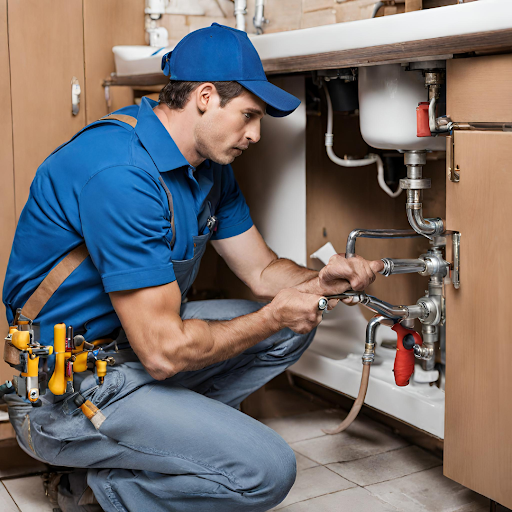 The good news is that with a few smart upgrades and regular maintenance, you can significantly lower your monthly costs. Understanding how your plumbing affects water usage is the first step toward saving money.
Fix Leaks Right Away
Even a small leak can waste a surprising amount of water over time. A dripping faucet or a running toilet might not seem like a big deal, but these issues can add gallons of wasted water to your bill every day. Checking for leaks regularly and repairing them quickly is one of the easiest ways to cut costs.
If you notice unexplained increases in your water bill, hidden leaks could be the culprit. In these cases, reaching out to plumbers in Warsaw can help identify and fix the problem before it worsens.
Upgrade to Water-Efficient Fixtures
Older plumbing fixtures often use more water than necessary. Upgrading to water-efficient options like low-flow toilets, faucets, and showerheads can make a big difference. These modern fixtures are designed to reduce water usage without sacrificing performance.
For example, a low-flow showerhead can cut water use nearly in half, while newer toilets use significantly less water per flush compared to older models. Over time, these upgrades can lead to noticeable savings.
Install a High-Efficiency Water Heater
Your water heater also plays a role in your overall water usage. Traditional water heaters can waste energy and water, especially if they take a long time to deliver hot water. High-efficiency or tankless water heaters provide hot water on demand, reducing waste and improving efficiency.
This not only helps lower your water bill but can also reduce your energy costs.
Be Mindful of Daily Habits
Simple changes in your daily routine can also help reduce water usage. Turning off the tap while brushing your teeth, taking shorter showers, and only running full loads in your dishwasher and washing machine can all add up to significant savings.
These small adjustments require little effort but can make a noticeable impact over time.
Schedule Regular Plumbing Maintenance
Preventative maintenance is key to keeping your plumbing system running efficiently. Regular inspections can catch minor issues before they turn into costly problems. A professional can check for leaks, inspect pipes, and ensure everything is working as it should.
Keeping your plumbing system in top shape helps avoid wasted water and unexpected spikes in your bill.
Consider a Water Softener
In areas with hard water, mineral buildup can affect your plumbing system and appliances. This buildup can reduce efficiency and lead to higher water usage over time. Installing a water softener can help improve water flow and extend the life of your fixtures.
Final Thoughts
Reducing your water bill doesn’t require drastic changes—just smarter plumbing choices and better habits. From fixing leaks and upgrading fixtures to scheduling regular maintenance, there are many ways to improve efficiency and save money.
By taking a proactive approach, you can lower your monthly costs while also conserving water and protecting your home’s plumbing system for the long term.
More ways to lower your water bill:
- What Can Be Done When Your Water Bills Are Past Due
- Why Regular Water Heater Maintenance is Key to Ensuring Efficiency and Safety
- Want to Save Money on Utility Bills? Follow These 6 Steps
