The lunch boxes are packed, dinner is put away, and the kitchen looks ready for tomorrow. 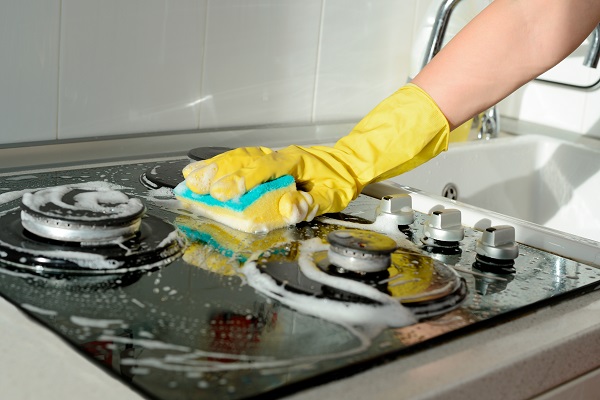 Then you notice a torn corner on a cereal bag or small droppings behind the toaster. A mouse problem can show up in a home that gets cleaned every day. Food is only part of the picture: mice also need shelter and a way inside.
For a busy household, the answer is not an exhausting nightly scrub. It is a short routine that makes food harder to reach, keeps warning signs visible, and catches repairs before they become another weekend project. Start with the places your family uses most, then check the quiet spaces nearby.
Start with the food that stays out
Look at the kitchen after everyone has gone to bed. An open snack basket, a pet bowl, and a bag of rice beside the stove can all leave food within reach. Cardboard packaging and thin bags are not dependable barriers. Put dry food in sturdy containers with tight-fitting lids, and check that children can close them without help.
You do not need matching pantry containers to get started. Move the most frequently opened foods first: cereal, crackers, rice, flour, and pet food. Keep their labels or photograph cooking instructions and allergy information before throwing packaging away. Do not put fresh food into a container that has signs of contamination.
Give lunch boxes and school bags a regular emptying spot. A forgotten granola bar in a backpack can sit unnoticed beside the kitchen for days. Include the stroller basket and the bag used for weekend sports. Moving snacks into the pantry also makes the next morning’s packing less scattered.
Make the evening reset small enough to repeat
Choose a few jobs that fit between dinner and bedtime. Put leftovers away, wipe food spills from counters and the table, and check under the children’s chairs. Empty the crumb tray when the toaster is cool and unplugged. Close the trash lid and wipe food residue from its rim.
If there is no sign of rodent contamination, clean ordinary crumbs with your usual household method. Suspected droppings, urine, or nesting material require a different approach; do not sweep or vacuum them. Keep that distinction clear for anyone sharing cleanup duties.
Pet feeding deserves its own check. Remove uneaten food after feeding rather than leaving it overnight, and store the bag in a closed, sturdy container. Keep pets’ water needs met, but wipe spills and deal with leaks beneath or around bowls. A wet cabinet or dripping pipe needs attention even when the rest of the kitchen is dry.
Check the spaces you rarely see
Open the cupboard beneath the sink and use a flashlight to look around pipes and the back corners. Check for dampness, gnawed packaging, droppings, and openings where plumbing passes through the wall. Keep cleaning products secured while you work, and do not reach into a dark gap without seeing what is there.
Look along accessible cabinet bases and beside appliances. Do not pull out a gas stove or heavy refrigerator just to inspect behind it. Ask an appropriate professional to handle areas that involve gas connections, wiring, or an appliance you cannot move safely. A reachable photograph can help explain the problem without disturbing anything.
Reduce the number of loose bags and cardboard boxes in lower cupboards. Leave enough room to see the back and floor of each cabinet. This is not a request to reorganize the entire kitchen. Even clearing one crowded cupboard makes it easier to spot a leak or a new sign of activity.
Find the route into the house
A pantry problem may begin outside the kitchen. Check the door to an attached garage, worn door sweeps, utility openings, and damaged screens. Look for gaps around the points where pipes and cables enter the building. Mice can use small openings that are easy to overlook during ordinary housework.
Do not block an opening without knowing what it serves. Vents, drainage openings, and appliance clearances must keep working as intended. Ask a pest professional or the appropriate tradesperson about repairs near utilities. In a rental, photograph the opening and report it to the property manager rather than changing the building yourself.
If mice are already active indoors, ask how removal and sealing should be coordinated. A plan should cover the animals inside as well as their entry route. Buying another trap without checking access can leave you repeating the same job.
Keep children and pets away from treatment
Loose bait and exposed traps do not belong beside a snack basket, under a child’s chair, or anywhere a pet can investigate. Any treatment must follow its label and be placed so children and animals cannot reach it. Tell the pest professional about pets, visiting toddlers, and cupboards your children can open.
Ask who will check traps, how often they need checking, and how captured rodents will be removed. Do not ask children to inspect or empty traps. The household needs a clear adult contact for that work, especially when school schedules or travel mean someone else is handling the kitchen.
Handle droppings differently from crumbs
Keep children and pets away from the affected area. The Centers for Disease Control and Prevention advises against sweeping or vacuuming rodent urine, droppings, or nesting material because doing so can put contaminated particles into the air. Its guidance calls for opening all doors and windows for 30 minutes before cleanup and leaving the area during that time. Wear rubber or plastic gloves when you return to clean.
Follow the CDC’s current rodent-cleanup instructions and the disinfectant label. Droppings and urine should be thoroughly wetted with an appropriate disinfectant and left for the stated contact time before being wiped up. Clean the surrounding hard surfaces, dispose of waste as directed, and wash gloved hands before removing gloves, then wash your bare hands. Never mix cleaning products.
Heavy contamination, activity in air ducts, or waste in spaces you cannot safely reach calls for professional help. If someone becomes ill after rodent exposure, tell a healthcare provider about that exposure. A quick wipe is not a substitute for the right precautions.
Know when the routine needs outside help
Repeated droppings, fresh damage to food packaging, or scratching sounds after dark deserve an inspection. Note where and when you see signs, and take photographs without touching or disturbing waste. Ask the professional to explain the entry points, removal plan, cleanup needs, and follow-up arrangements.
Homeowners looking for help with rats or mice can contact National Rodent Control to discuss service in their area. Before booking, confirm who will carry out the work, what the quoted price includes, and whether sealing and return visits are part of the job.
The aim is a kitchen your family can use comfortably, not a spotless room nobody is allowed to enter. Keep food closed, make spills easy to catch, and get recurring signs checked. A routine you can repeat on an ordinary school night is more useful than a single late-night cleaning marathon.
More tips for keeping your home clean and pest-free:
