
Key Takeaways
- Safety, supervision, and consistency should guide every decision.
- Review New York requirements before investing in supplies, advertising, or renovations.
- Clear policies and organized finances protect both the provider and enrolled families.
- Flexible routines help children of different ages feel comfortable and engaged.
- Provider health, training, and backup planning are essential to long-term stability.
Starting a home child care program in New York can be a meaningful way to serve local families while creating a business rooted in your community. Whether you live in Rochester, the Finger Lakes, the Hudson Valley, New York City, or a rural county where dependable care can be difficult to find, learning how to become a childcare provider in NY is an important first step before welcoming children into your home.
A successful program is not built around toys or enrollment alone. It depends on daily safety habits, reliable routines, respectful family partnerships, organized records, and an honest understanding of what the work requires. Planning carefully from the beginning can help create a setting where children feel secure and families know what to expect.
Decide Whether Home Child Care Is a Good Fit
Home-based care asks a great deal of one person or a household. Providers supervise children closely, prepare meals and activities, maintain records, clean throughout the day, respond to family questions, and make calm decisions when plans change. Before moving forward, consider whether your home can handle the noise, movement, limited privacy, and schedule changes that come with regularly caring for children.
A useful self-check includes a few direct questions: Can you follow a consistent schedule? Is there room for active play, meals, rest, and secure storage? Can household members support safety practices each day? Are you prepared to manage both caregiving and business responsibilities? Honest answers can help you choose a program size that remains manageable.
Review New York Rules First
New York child care requirements can vary based on the type of program, the ages of children served, the number of children enrolled, and the care setting. Confirm applicable licensing, registration, zoning, inspection, training, insurance, and background-check obligations before purchasing equipment or promising families an opening. Keep a compliance folder for approvals, inspection materials, emergency plans, attendance records, health forms, training certificates, and signed family agreements.
Set Up Safe Learning Areas
A good child care space allows active supervision without feeling overcrowded. Secure doors, windows, stairs, cabinets, medicines, cleaning products, tools, and small objects. Choose stable furniture and age-appropriate equipment, keep walkways clear, and routinely check alarms, exits, and first-aid supplies. New York providers should also consider environmental conditions, including drinking water fixtures, past property uses, and safe handling of chemicals when selecting and maintaining a care space. The state’s guidance on safe places for early care and education can help providers identify environmental issues worth reviewing.
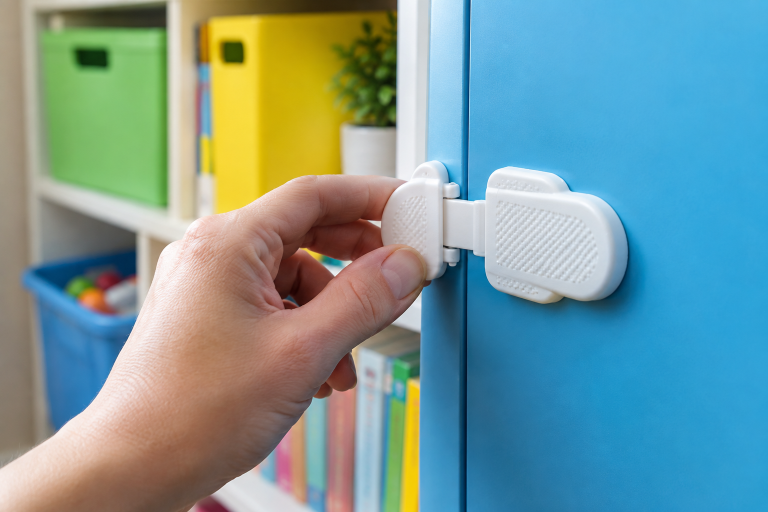
Separate areas for energetic play, quiet activities, meals, toileting or diapering, and rest make the day easier to supervise. Safe storage is especially important in mixed-age programs, where materials appropriate for school-age children may not be safe for infants or toddlers.
Create a Practical Daily Routine
Predictable routines help children transition through the day with less uncertainty. A simple schedule may include arrival and family check-in, free play, breakfast or snack, outdoor time, small-group activities, lunch, rest, afternoon play, and departure. Leave room for weather changes, individual feeding or sleep needs, appointments, and difficult drop-offs. Picture schedules, labeled bins, and familiar cleanup songs can make transitions easier for young children.
Manage the Business Side
Even a small program needs a financial plan. Common costs include safety equipment, furniture, toys, food, cleaning supplies, insurance, utilities, training, recordkeeping, taxes, repairs, and replacements. Use a separate account for program income and expenses, save receipts, and set aside an emergency reserve for repairs, illness, lower enrollment, or weather-related closures.
Written policies should explain tuition due dates, late pickup fees, absences, holidays, closures, refunds, required supplies, enrollment changes, and termination procedures. Clear policies reduce confusion and help families understand that dependable care requires dependable communication and payment practices.
Communicate Clearly With Families
Trust starts before a child’s first day. Share information about meals, naps, illness exclusions, authorized pickups, emergency contacts, behavior guidance, and daily routines during enrollment. Short daily updates about food, rest, play, mood, and notable moments help families stay connected without requiring lengthy reports. When concerns arise, use specific observations, listen carefully, and keep the conversation focused on the child’s needs.
Support Different Needs and Backgrounds
Children arrive with different languages, family traditions, temperaments, abilities, feeding patterns, sleep needs, and interests. Offer activities that can be adjusted by age and skill level, and include books, music, toys, and displays that reflect many kinds of families and communities. Regular observation helps providers notice strengths, emerging skills, and areas where a child may need additional support. When appropriate, work with families and qualified professionals to coordinate care.
Keep Training Current
Training supports safer, more confident care. Track renewal dates for required education and continue building knowledge in first aid, CPR, child development, emergency preparedness, food safety, behavior guidance, and safe sleep. For infants, every nap deserves careful attention. New York’s safe sleep guidance emphasizes placing babies on their backs in an appropriate sleep space and keeping soft items out of the crib.
Protect Program Stability
Burnout can affect supervision, patience, planning, and family communication. Set realistic enrollment limits, schedule breaks when possible, and create backup procedures for illness, severe weather, supply problems, and urgent household needs. Connect with other providers, local child care organizations, training groups, and trusted business advisers. A smaller program that is calm, compliant, and sustainable is often stronger than one that has grown beyond the provider’s capacity.
2026 Readiness Checklist
- Confirm the requirements that apply to your New York program.
- Complete a full home safety review.
- Prepare emergency, health, and communication procedures.
- Choose age-appropriate furniture, materials, and storage.
- Write a flexible daily schedule and family handbook.
- Set tuition, payment, and recordkeeping systems.
- Complete required training and track renewal dates.
- Set an enrollment limit that supports attentive care.
Conclusion
A sustainable New York home child care program is built through steady, practical decisions. Put safety first, create routines children can trust, communicate clearly with families, and protect your own capacity to do the work well. With thoughtful preparation, a home program can become a dependable part of the local child care community.
More Tips on How to Build Safe, Sustainable Child Care Programs:
