
Key Takeaways
- Most household pests are looking for food, moisture, shelter, and an easy route indoors.
- Cleaning, minor repairs, and routine inspections can reduce pest pressure before it becomes an infestation.
- Integrated pest management uses inspection, prevention, monitoring, and targeted controls rather than relying on routine broad spraying.
- “Natural” products are not automatically safe or effective, so every product should be used only as its label directs.
- Recurring activity, termites, bed bugs, and significant rodent signs often require professional assessment.
Low-impact pest prevention starts with the conditions around your home, not a can of spray. By limiting access to food, water, and shelter, homeowners can make many common pest problems less likely to take hold. When a problem needs additional help, Green Pest Services can identify the conditions allowing activity to continue.
Why Prevention Comes Before Treatment
Seeing an ant trail, a spider, or a single mouse can be frustrating, but treating only what is visible may not address why the pest arrived. Crumbs behind appliances, pet food left out overnight, a slow plumbing leak, cluttered storage, and openings around pipes can all create favorable conditions for mold growth. A clean home can still have pests, because they may enter through utility openings, damaged screens, packages, shared walls, or gaps near doors. A practical goal is to make the home less useful to pests. The EPA notes that reducing access to food, water, shelter, and entry points can make pests less likely to settle and reproduce indoors. Its guidance for keeping pests from getting what they need to live supports a prevention-first routine for houses, apartments, and other residences.
How Integrated Pest Management Works At Home
Integrated pest management, often called IPM, is a decision-making approach rather than a single product or treatment. The basic idea is to identify the pest, understand where it is active, reduce the conditions that support it, and then choose the least-risky, effective control method. The EPA describes integrated pest management principles as combining monitoring, prevention, and appropriate controls to reduce hazards to people, property, and the environment.
- Inspect: Look for droppings, pest damage, nests, moisture, and possible entry points.
- Identify: Confirm what pest is present before selecting a control method.
- Set an action threshold: Decide whether the amount of activity requires intervention rather than reacting to every insect sighting.
- Prevent: Remove accessible food, water, shelter, and routes inside.
- Control: Use a focused option, such as exclusion, trapping, or a properly selected bait, when appropriate.
- Monitor: Recheck the area and adjust the plan if activity continues.
Seal The Small Places Pests Use
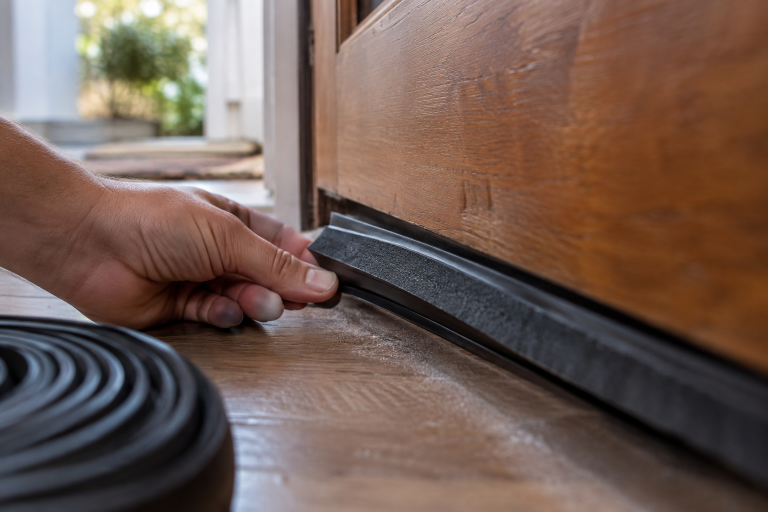
Many pest issues begin with openings that are easy to overlook. A monthly walk around the building can reveal small repair needs before they become more consequential. Focus on gaps around doors and windows, cracks near the foundation, damaged screens, loose weatherstripping, openings around pipes and cables, gaps beneath garage doors, and unprotected attic, crawl space, or utility openings. Exclusion works best when it follows a careful inspection. Before closing an opening, check whether an active nest or wildlife is using it. Sealing animals inside a wall, attic, or crawl space can create odor, damage, or animal welfare concerns.
Control Food And Moisture Sources
Kitchens, garages, basements, laundry areas, and patios deserve regular attention because they can provide the food and moisture pests need. Small, repeatable habits usually matter more than occasional deep cleaning.
- Store dry foods in sealed containers and wipe pantry shelves when spills occur.
- Clean crumbs, grease, and food residue from counters, floors, and appliances.
- Empty indoor trash regularly and keep outdoor trash containers closed.
- Cover pet food when it is not being used and clean feeding areas.
- Repair dripping faucets, leaking pipes, and appliance leaks promptly.
- Use ventilation or a dehumidifier in persistently damp spaces when appropriate.
- Clear gutters and remove containers that hold standing water.
Use A Seasonal Pest Prevention Routine
Spring
Check screens, doors, gutters, and foundation areas after winter weather. Remove damp leaf piles and debris near the structure, and watch for ants, stinging insects, or signs of moisture damage.
Summer
Empty water-holding containers, keep outdoor waste covered, and trim vegetation away from walls, windows, and rooflines. Inspect decks, sheds, patios, and other frequently used outdoor areas.
Fall
Seal accessible gaps before cooler conditions encourage rodents to seek indoor shelter. Move firewood away from the home, and inspect attics, basements, garages, and stored items for new signs of activity.
Winter
Pay attention to warm indoor spaces, pantry storage, and holiday decorations brought in from garages or sheds. Droppings, gnaw marks, nesting material, and unexplained odors are reasons to inspect more closely.
Choose Low-Risk Control Methods First
Prevention does not mean ignoring an established infestation. It means matching the response to the pest, the location, and the level of activity. Door sweeps, screens, sealed food storage, traps placed where activity is confirmed, and enclosed bait stations can be useful in the right circumstances. Broad indoor spraying is often unnecessary when a more targeted method can solve the specific problem. Any pesticide should be used only according to its label. Do not mix products, transfer them into unlabeled containers, apply more than directed, or use an outdoor product indoors. Keep traps, baits, and products out of reach of children and pets.
Common “Natural” Pest Control Mistakes
- Assuming essential oils will eliminate an established infestation.
- Using household ingredients without considering where they are being applied.
- Adding more product when the original approach did not address the cause.
- Ignoring a leak, food source, or entry point while focusing only on treatment.
- Placing powders, traps, or baits where children, pets, or non-target animals can reach them.
When DIY Prevention Is Not Enough
Professional assessment is sensible when fresh droppings continue to appear after cleaning, pests repeatedly return, termites or structural damage are suspected, rodents are active in walls or ceilings, bed bugs are found in more than one area, or stinging insects are nesting near entrances. The same is true if someone in the household may have been exposed to a pesticide product.
A Simple Monthly Home Pest Checklist
- Walk the exterior and look for gaps, damaged screens, and standing water.
- Check under sinks and near appliances for moisture or leaks.
- Inspect pantry goods, pet-food storage, and trash areas.
- Review the attic, basement, garage, and crawl space for signs of activity.
- Clean or replace traps as needed, and note where activity appears.
- Complete one or two small repairs before they turn into larger access points.
Conclusion
Low-impact pest prevention is built on steady habits rather than relying on treatment only after a problem becomes noticeable. A dry home, secure food storage, sealed entry points, seasonal inspections, proper waste management, and thoughtful monitoring can reduce conditions that attract many common pests. Homeowners can also check for leaks, standing water, damaged screens, gaps around doors and windows, and clutter that may provide food, moisture, or shelter. Regularly inspecting kitchens, bathrooms, basements, attics, garages, and exterior areas can help identify early signs of activity and address small problems before they become more difficult to manage. These steps can reduce many routine pest problems while limiting unnecessary product use. When activity persists, spreads to hidden areas, or creates a health or property concern, timely professional help can provide a more informed assessment and targeted response. Addressing the source of the problem rather than repeatedly treating visible pests can support a more practical and sustainable approach to home maintenance.
More pest prevention tips for homeowners:
