Your bathroom exhaust fan probably doesn’t get much attention beyond your morning shower. You flip the switch, clear the steam, and go about your day. But that small fan does more than remove moisture from the bathroom. It also affects airflow throughout your home, which can influence an unexpected concern beneath your floors.
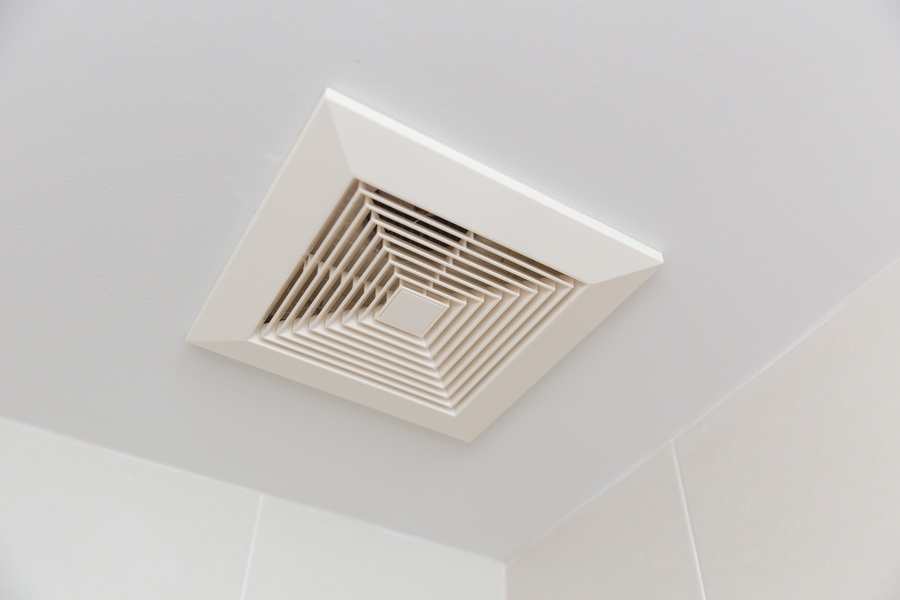
Radon, a naturally occurring radioactive gas, can enter homes through openings around their foundations. While bathroom fans don’t create radon, their operation can influence the air pressure that draws soil gases indoors.
Understanding the connection between bathroom ventilation and radon entry can help you make smarter decisions about your home’s indoor air quality.
How Bathroom Fans Work
Bathroom exhaust fans remove humid air and direct it outdoors through ventilation ducts. Their primary purpose involves controlling moisture that could otherwise contribute to mold growth.
When your fan removes indoor air, fresh air must enter your home to replace it. That replacement air can enter through windows, ventilation systems, or small gaps in the building.
Depending on your home’s construction, some replacement air may come from beneath the foundation.
The fan doesn’t necessarily increase radon concentrations every time you use it. However, understanding how exhaust ventilation influences pressure can help explain why certain homes experience changing radon levels.
The Role of Air Pressure
Air naturally moves from areas of higher pressure toward areas of lower pressure. When bathroom fans exhaust indoor air, they can lower the pressure inside your home relative to the surrounding soil.
That pressure difference may encourage soil gases to enter through existing foundation openings. The effect depends on several conditions, including the strength of your ventilation equipment and how easily outdoor air enters your home.
A small bathroom fan might create only a modest pressure change. However, multiple exhaust appliances operating simultaneously can increase the demand for replacement air.
Your home’s overall ventilation system influences how these pressure changes develop.
Airtight Versus Drafty Homes
The amount of outside air that naturally enters your home can influence how exhaust fans affect indoor pressure.
For example, radon levels differ in airtight and drafty homes because their air leakage patterns and pressure conditions vary. However, neither construction style automatically protects against elevated radon concentrations.
A tightly sealed home may experience greater depressurization when exhaust equipment operates without adequate replacement air.
Draftier homes might allow outdoor air to enter more easily, but foundation openings can still provide pathways for radon.
Instead of relying on your home’s age or insulation quality, use radon testing to understand your household’s exposure.
Watch for Foundation Openings
Bathroom ventilation becomes particularly relevant when your foundation already contains openings that allow soil gases to enter.
Inspect accessible basement floors for visible cracks or gaps around utility pipes. Pay attention to areas where plumbing lines pass through concrete.
Homes with unfinished basements may offer easier access to these potential entry points.
However, don’t assume that a foundation without visible damage prevents radon entry. Small openings can remain hidden beneath flooring or behind finished walls.
A qualified radon professional can evaluate your home’s construction and identify appropriate ways to limit soil gas intrusion.
Consider Other Exhaust Appliances
Your bathroom fan rarely operates in isolation. Kitchen range hoods and clothes dryers also remove indoor air, potentially influencing household pressure.
Imagine running your bathroom fan while the dryer operates downstairs. Both appliances exhaust air, increasing the amount of replacement air your home needs.
Powerful kitchen ventilation equipment can create additional pressure differences during cooking. These combined effects vary depending on your home’s ventilation design and available air pathways.
If you notice recurring indoor air quality concerns, consider having a qualified professional evaluate how your exhaust systems work together.
Keep Bathroom Ventilation
Learning about pressure differences might make you wonder whether you should stop using your bathroom fan.
However, turning off essential ventilation isn’t a practical radon management strategy. Bathrooms need adequate airflow to control moisture after showers and baths.
Without proper ventilation, humidity can accumulate and encourage mold growth on vulnerable surfaces.
Continue operating your bathroom fan according to appropriate ventilation guidance. Instead of sacrificing moisture control, focus on identifying radon entry pathways and addressing elevated concentrations.
A knowledgeable professional can recommend solutions that support healthy ventilation without creating unnecessary pressure problems.
Check Your Exhaust Ducts
Proper duct installation helps bathroom fans move humid air outdoors as intended.
Inspect accessible ductwork for obvious damage or disconnected sections. Bathroom exhaust ducts should discharge outdoors rather than release humid air into an attic.
Keep exterior exhaust openings clear of debris that might restrict airflow.
If your fan struggles to remove bathroom moisture, consider asking a ventilation professional to inspect the equipment.
Although duct maintenance won’t directly eliminate radon, proper ventilation supports healthier indoor conditions and helps your exhaust system operate as intended.
Test Your Radon Levels
Testing provides the most reliable way to determine whether radon presents a concern inside your home.
You can purchase a radon test kit or hire a qualified professional to measure indoor concentrations. Follow the testing instructions carefully, including placement requirements and any closed-house conditions.
The Environmental Protection Agency recommends taking action when radon levels reach 4 picocuries per liter or higher. Homeowners should also consider reducing concentrations between 2 and 4 picocuries per liter.
Remember that radon concentrations can fluctuate with weather and household conditions. Long-term testing can provide a better understanding of average exposure.
Explore Professional Mitigation
If testing reveals elevated radon concentrations, professional mitigation can address the underlying problem.
Many homes benefit from active soil depressurization systems. These systems use specialized piping and a dedicated fan to draw radon from beneath the foundation and release it safely outdoors.
Unlike bathroom exhaust fans, radon mitigation systems target soil gases before they enter living spaces.
A qualified installer can recommend an appropriate system based on your foundation and existing conditions.
Sealing accessible openings may complement mitigation efforts, but sealing alone rarely provides dependable radon control.
After installation, conduct follow-up testing to confirm that the system has reduced indoor concentrations.
Retest After Home Improvements
Home renovations can change how air moves throughout your house.
Replacing windows or adding insulation may reduce natural air leakage. Installing a more powerful bathroom fan can also change your home’s ventilation demands.
These improvements offer practical benefits, but they may influence pressure relationships that affect radon entry.
Consider scheduling another radon test after significant renovations, particularly when projects alter your foundation or ventilation systems.
If you already have a mitigation system, ask a qualified professional whether your changes require additional evaluation.
Regular testing helps you track conditions as your home evolves.
Create a Healthier Home
Understanding how bathroom fans may affect radon entry points gives you another reason to pay attention to household ventilation. Your exhaust fan plays an important role in controlling moisture, but its interaction with indoor air pressure deserves consideration.
Rather than worrying about every ventilation adjustment, focus on practical steps that address potential radon exposure. Test your home, maintain your exhaust equipment, and consult qualified professionals when concerns arise.
With thoughtful maintenance and appropriate radon mitigation, you can enjoy effective bathroom ventilation while creating a healthier indoor environment for your family.
Related Posts:
