Imagine inviting friends over for steak night, then surprising them with something more interesting than a single cut. Instead of one big dinner plate, everyone can compare tender bites of beef and discover a new favorite. The conversation practically starts itself as guests debate which steak deserves another taste.
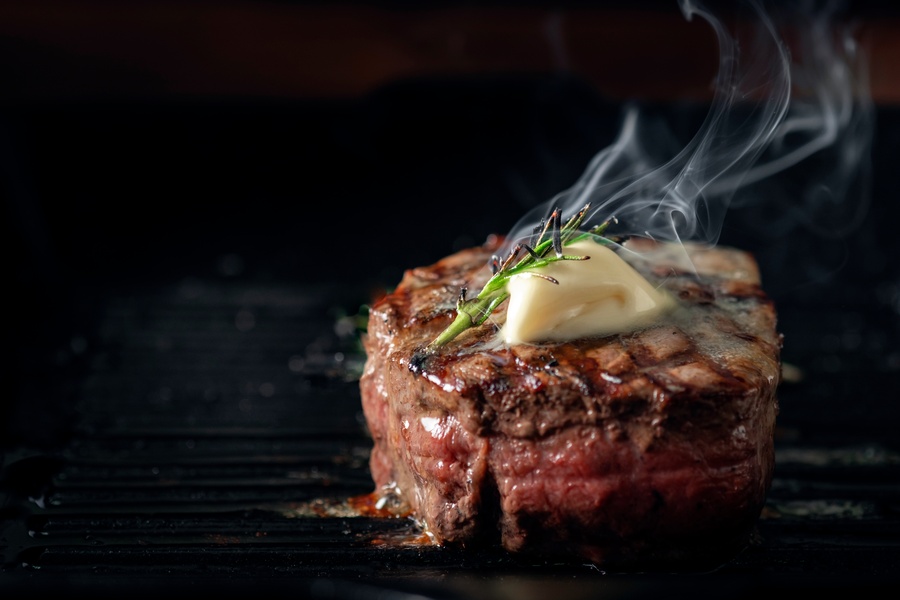
A steak flight brings the fun of a restaurant tasting experience into your own dining room. You don’t need professional kitchen equipment or an extravagant menu to pull it off. With a thoughtful selection of cuts and a little advance planning, you can give your dinner guests a delicious evening with a steak flight without spending the whole night at the stove.
Create the Guest List
Before heading to the butcher, think about how many people you’ll serve. Ask about dietary preferences before designing the menu. Some guests may prefer a meat-free main course, while others might avoid certain ingredients in sauces.
Choose a relaxed seating arrangement where everyone can see the tasting plates. You want your guests to exchange opinions freely, not feel like they’re taking a formal cooking exam.
Choose Three Distinct Cuts
The secret to a memorable flight is variety. Pick steaks that offer noticeable differences in tenderness and richness rather than choosing three nearly identical cuts.
Filet mignon makes a gentle starting point because of its tender texture and relatively lean character. New York strip offers a firmer bite and a satisfying beefy flavor. Ribeye brings generous marbling, which adds richness as the fat cooks.
You can also swap in another cut if your local butcher has an appealing special.
Buy Enough for Tasting
A steak flight doesn’t require three full steaks for every guest. Plan roughly two ounces of cooked beef from each cut per person if you’ll serve sides as well.
For six guests, aim for about six ounces of cooked steak per person overall. Buy extra beef to account for moisture loss during cooking and a few requests for seconds.
Ask your butcher to help you estimate the total weight. Choosing thicker steaks may also make temperature control easier than cooking several thin pieces, especially when you’re feeding a group.
Keep the Seasoning Simple
A heavy marinade can make every steak taste similar. For the clearest comparison, season the beef with salt and freshly ground black pepper.
Pat the surfaces dry before cooking so they can develop a flavorful crust. Add seasoning consistently across the cuts, then let each steak’s natural character come through.
If you love garlic butter or herb sauces, offer them separately. Guests can taste the unadorned beef first, then experiment with additions. That approach turns dinner into an informal flavor discovery.
Pick a Cooking Method You Trust
You don’t have to master a new technique on party night. Use the grill if you know its hot spots, or choose a heavy skillet for reliable stovetop cooking.
Thick steaks also work well with a gentle oven cook followed by a quick sear. Whatever method you choose, consider differences in thickness so one cut doesn’t finish far ahead of the others.
Do a practice run if you’ve never prepared these steak types before.
Cook With Temperature in Mind
Guessing doneness from the color of a crust can lead to disappointing results. Use a meat thermometer to check the center of each steak rather than relying on the clock. Guests may have personal preferences, so discuss them in advance while keeping food safety in mind.
Clean your thermometer between uses and handle raw beef separately from ready-to-eat food.
Plan the Cooking Order
Cooking multiple cuts becomes easier when you map out the timing before dinner. Start with any side dishes that can wait comfortably while you focus on the beef.
Consider how long each steak needs and when you’ll have space in the pan or on the grill. Don’t crowd the cooking surface, since too many steaks at once can interfere with a good sear.
Allow the meat to rest before slicing. While it rests, bring the plates to the table and give everyone a quick introduction to the tasting.
Serve From Mild to Rich
A thoughtful tasting order helps guests notice changes in flavor. Start with the filet, which offers a tender bite without the same level of fat as ribeye.
Move to New York strip next. Its firmer texture makes an interesting contrast after the filet. Finish with ribeye so its pronounced richness doesn’t overpower the first two samples.
Give guests a sip of water between cuts to refresh their palates. Encourage everyone to notice which texture they enjoy most.
Explore Wine Pairings
If you’re curious about the best wine pairings with the steak cuts in your flight, think about how each wine complements the richness of the beef. A softer Pinot Noir can work nicely with filet mignon.
Cabernet Sauvignon often holds its own beside a marbled ribeye. For New York strip, consider a Malbec with enough body to complement its hearty flavor.
You don’t have to pour three different wines. One versatile red can make the evening more relaxed. Offer a flavorful alcohol-free drink as well so every guest can join the tasting comfortably.
Choose Sides That Won’t Compete
The steaks should remain the stars of the dinner. Choose sides that bring freshness without overwhelming the beef.
Roasted asparagus can add a pleasant contrast to richer bites, while simple mashed potatoes make the meal feel satisfying. Prepare as much as possible before guests arrive.
Keep sauces in small dishes instead of spooning them over every portion. People may want to compare the cuts on their own terms, and a lighter approach helps those differences shine.
Make the Presentation Inviting
A steak flight feels special when guests can identify what they’re tasting. Slice each rested steak across the grain and group portions neatly on individual plates or shared boards.
Use small place cards to name each cut. You might include one short description that highlights its texture or flavor.
Give each person a clean fork and enough space to move between samples comfortably. Keep the presentation simple enough that you can assemble plates quickly. Warm plates help, but avoid letting cooked beef sit out for extended periods.
Invite Conversation, Not Competition
Part of the fun comes from discovering how differently people experience the same food. Ask which steak surprised everyone or whether guests prefer tenderness over a more robust bite. You could have friends choose a favorite after tasting all the cuts.
If someone prefers an extra splash of sauce or a different wine pairing, let them enjoy it. A good host creates a welcoming atmosphere instead of insisting that everyone taste food the same way.
End on a Delicious Note
Learning how to plan a steak flight for your dinner guests turns an ordinary meal into a shared experience. By choosing contrasting cuts and cooking them carefully, you give everyone a chance to appreciate beef in a new way.
Keep your sides easy and allow time for conversation around the table. When the plates are empty, your friends may still be debating their favorite cut, which is exactly the kind of dinner-party memory worth making.
More Tips on Planning a Fantastic Steak Dinner Party:
- Why You Have To Let Your Meat Rest After Cooking
- You Love Wine? Here’s How To Genuinely Enjoy It
- How To Host the Ultimate Fall Dinner Party
