 Image Credit: Unsplash
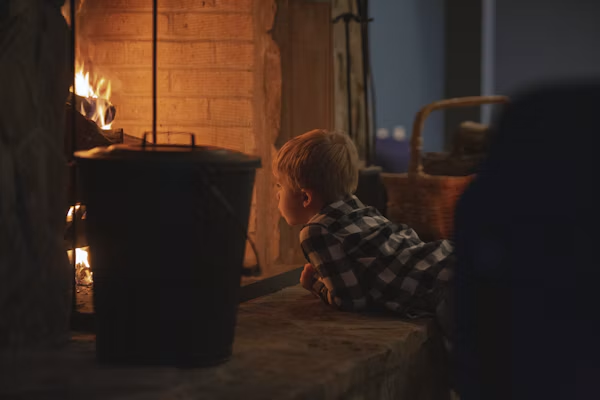
A fireplace can create serious risks for toddlers long after the visible flames have disappeared. Hot glass, sharp hearth edges and loose accessories all sit at a child’s level, while ash and surrounding surfaces may stay hot for hours.
A safer setup combines routine maintenance, secure barriers and simple household rules that your child hears consistently. Check the entire fireplace area from a toddler’s perspective, then address each hazard before the fireplace is used again.
Spotting Hidden Hearth Hazards
Start your inspection at floor level, where your toddler sees the room. Look for sharp brick corners, cracked tiles, unstable screens and tools that could tip when pulled. Soft edge guards can cushion a raised hearth, but they must be firmly attached and made for use near warm surfaces.
For gas units, the glass front can reach dangerous temperatures. These gas fireplace safety tips recommend using a safety screen and keeping children away from the glass, even after the fireplace is turned off. Move toys, blankets and climbing furniture out of the area. A broader home safety hazard checklist can also help you spot related risks around the room.
If you notice cracked masonry, a loose door or unusual residue, stop using the fireplace until it has been checked. Los Angeles-area homeowners can contact The Chimney Brothers for chimney and fireplace inspection, cleaning or repair services.
Why Physical Gates Are Not Enough
A gate creates useful distance, but toddlers may push, climb or shake it. Pressure-mounted models can also shift on uneven flooring. Choose a barrier designed for fireplace use, follow its clearance instructions and secure every section as directed by the manufacturer. Test it regularly by applying gentle pressure at several points.
Supervision remains necessary whenever the fireplace is operating or cooling. Guidance on fireplace burn prevention explains that young children can suffer contact burns from hot glass and metal surfaces. Keep seating far enough away that a toddler can’t reach through the barrier. Store controls and fireplace tools in a locked cabinet, and don’t leave a child alone in the room, even for a quick trip to the kitchen.
Schedule an Annual Safety Inspection
Arrange a professional inspection once a year, ideally before the season when you expect to use the fireplace most. A trained technician can check the chimney, firebox, damper, venting and surrounding masonry for damage or buildup that may be hard to see from the room.
Ask for an inspection sooner if you’ve moved into a new home, completed renovations near the fireplace or noticed smoke entering the room. Other warning signs include a persistent odor, pieces of tile or masonry in the firebox and visible gaps around the unit. Keep the inspection report and repair receipts with your household records. This makes it easier to track recurring issues and explain the fireplace’s service history if you later sell the home.
Establish Clear Boundaries Early
Teach one short rule, such as “Stay behind the gate,” and use the same words every time your toddler approaches the area. Young children need repetition, so practice the rule while the fireplace is cool. Redirect your child to a safe activity instead of relying on a warning alone.
Adults should follow the boundary too. Avoid stepping over the gate, placing drinks on the hearth or retrieving objects from the protected zone while your child watches. Toddlers copy what they see. Caregivers, relatives and babysitters should know how long the unit stays hot and which controls are off-limits. If the fireplace has a remote, store it somewhere your child can’t see or reach.
A final check after each use should include closing the screen, confirming that controls are off and keeping the barrier in place until every surface is cool. For a toddler, yesterday’s fireplace can still look like today’s climbing spot, so leave the protected zone clear and consistent.
More tips on creating a child-friendly home and yard:
