What Is an Effluent Filter and Where Is It Located?
At the heart of many modern septic systems lies a critical, yet often unseen, component: the effluent filter. Also known as a septic tank filter, this device acts as a final line of defense, intercepting solid particles before they can exit the septic tank and enter the drain field. Its primary purpose is to prevent suspended solids – small pieces of waste material that remain floating in the wastewater after primary treatment – from flowing into the delicate network of pipes and gravel that makes up your drain field.
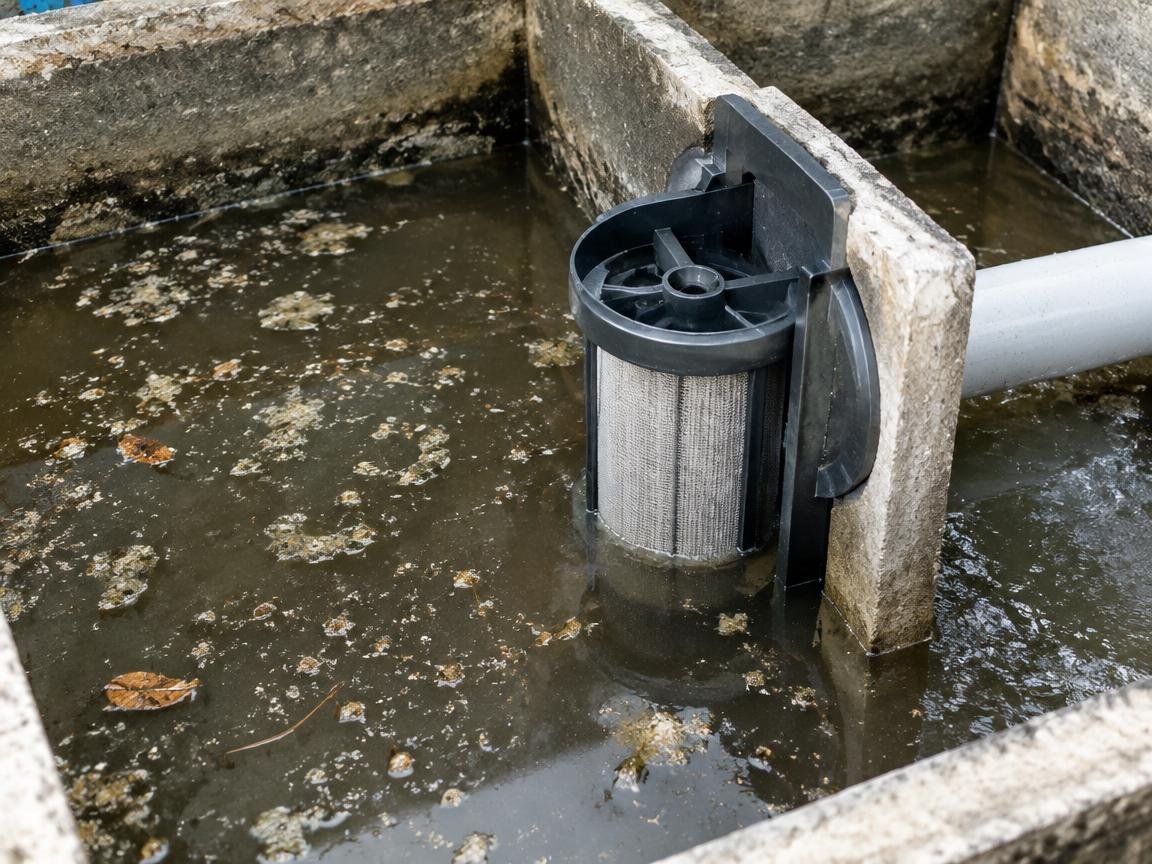
The effluent filter is typically situated within the tank’s outlet baffle, which is a structure designed to prevent scum (lighter solids and grease that float) and sludge (heavier solids that sink) from leaving the tank. By trapping these finer solids, the filter plays an indispensable role in drain field preservation. Without it, these particles could accumulate in the drain field’s soil, leading to a phenomenon known as biomat clogging. A clogged biomat drastically reduces the drain field’s ability to absorb and treat wastewater, potentially causing system backups, foul odors, and ultimately, premature system failure.
While most newer septic systems are designed with an effluent filter as a standard feature, many older or unequipped systems might not have one. Fortunately, for those looking to enhance their system’s longevity and performance, filter retrofitting is often a viable option. Installing an effluent filter, even in an older tank, can significantly extend the life of your drain field and prevent costly repairs down the line. Understanding its location and function is the first step toward effective septic system maintenance.
Trusted Septic Filter Cleaning: Tools, Safety Gear, and Preparation
Approaching septic filter cleaning requires a commitment to safety and the right tools. Because you’ll be dealing with raw sewage, which contains harmful bacteria and can emit dangerous gases like methane and hydrogen sulfide, preparation is paramount. Our goal is to ensure a safe and mess-free process for Trusted septic filter cleaning that protects both you and your septic system.
Before you even think about lifting a septic tank lid, gather all necessary safety gear and tools. This isn’t a task to tackle unprepared.
Essential Safety Gear:
- Protective Gloves: Heavy-duty, waterproof gloves are crucial to prevent direct contact with effluent.
- Safety Goggles or Glasses: Protect your eyes from splashes and airborne particles.
- Full-Length Clothing: Wear long pants and a long-sleeved shirt to minimize skin exposure.
- Rubber Boots: Waterproof boots are essential for protecting your feet and keeping them clean.
- Mask: An N95 or similar mask can help reduce inhalation of odors and aerosols.
Necessary Tools:
- Garden Hose with a Spray Nozzle: This is your primary cleaning tool. A strong, adjustable spray will be most effective.
- Hook Tool or Pry Bar: For carefully lifting the septic tank access lid and potentially the filter itself if it doesn’t have an integrated handle.
- Small Bucket or Container: Useful for temporarily placing the filter if it needs to be moved slightly, though ideally, you’ll clean it directly over the tank.
- Stiff Brush (optional): For scrubbing stubborn debris, though often not needed if rinsed promptly.
- Disinfectant Soap and Water: For cleaning tools and washing yourself afterward.
- Old Clothes: Wear garments you don’t mind getting dirty or potentially discarding.
Preparation Steps:
- Inform Household Members: Let everyone in your home know you’ll be working on the septic system. Ask them to minimize water usage during the cleaning process.
- Locate the Access Lid: Ensure you know the exact location of your septic tank’s access lid. If it’s buried, you may need to carefully dig around to expose it.
- Ensure Ventilation: While working, ensure there is good airflow around the septic tank opening. Never lean directly over the open tank for extended periods, as the gases can be dangerous. Keep children and pets well away from the work area.
- Have a Plan: Understand each step of the cleaning process before you begin. Knowing what to do next will make the task more efficient and less prone to errors.
By taking these precautions and having the right equipment ready, you can approach the task of cleaning your septic filter with confidence, ensuring a safe and successful outcome.
How to Clean a Septic Filter Without Making a Mess
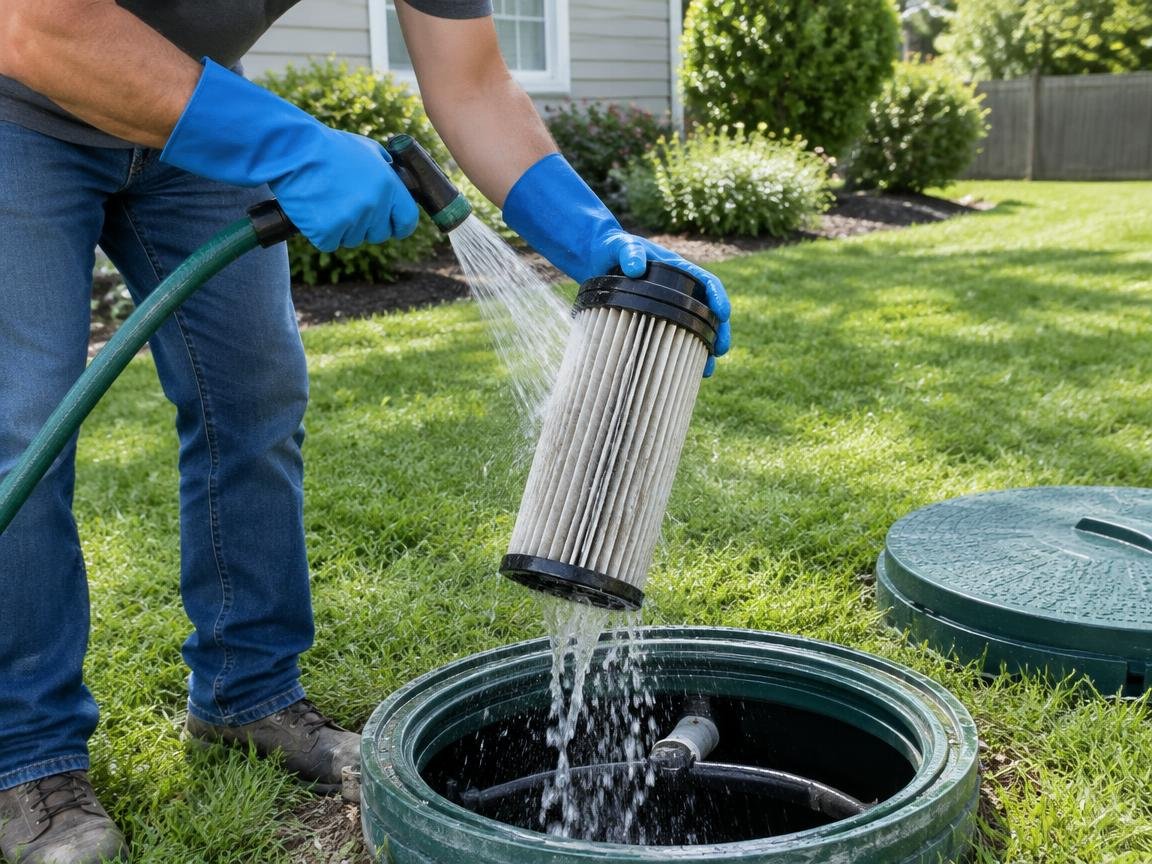
Cleaning your septic filter might sound daunting, but with the right approach, it can be a surprisingly straightforward and mess-free task. The key lies in understanding the process and executing each step carefully. Our primary goal is to ensure that any effluent or debris removed from the filter goes right back into the septic tank, preventing contamination of your yard or groundwater.
Step-by-Step Guide for Trusted Septic Filter Cleaning
Follow these steps for an effective and clean filter maintenance routine:
- Access the Septic Tank:
- Carefully locate the access lid to your septic tank. This is typically a heavy concrete, plastic, or fiberglass cover.
- Using your hook tool or pry bar, gently lift the access lid. These lids can be very heavy, so use proper lifting techniques or get assistance if needed.
- Once the lid is removed, place it safely to the side, ensuring it won’t fall back into the opening. Be mindful of the strong odors that may emanate from the tank.
- Locate and Extract the Filter Cartridge:
- Look inside the tank, usually near the outlet end (the side furthest from where wastewater enters). You should see the effluent filter cartridge, which often has a handle or a loop for easy removal.
- Grasp the handle or use your hook tool to slowly and steadily lift the filter cartridge straight up and out of its housing. Allow any excess liquid to drip back into the tank as you lift it.
- Rinse the Filter Over the Tank Opening:
- This is the most crucial step for avoiding a mess. Position the dirty filter cartridge directly over the open septic tank opening.
- Using your garden hose with a spray nozzle, begin spraying the filter. The goal is to dislodge all accumulated solids, sludge, and biomat.
- Ensure that all the water and debris being rinsed off the filter falls directly back into the septic tank. This prevents the spread of harmful bacteria onto your lawn or into the environment. Avoid using high-pressure settings that could damage the filter mesh. A gentle to medium spray is usually sufficient. Continue rinsing until the filter material appears clean and water flows freely through it.
- Inspect and Clear Orifices/Vents (If Applicable):
- Some effluent filters or their housings include small vent holes or modulating orifices. These are designed to allow proper air circulation or control flow.
- Briefly inspect these for any blockages. Use a small, stiff wire or a pointed tool to gently clear any debris that might be obstructing them.
- Test the Alarm (If Your System Has One):
- Many modern effluent filters are equipped with an alarm system that activates when the filter becomes clogged, indicating a need for cleaning. This alarm usually has a float switch.
- If your system has an alarm, you can briefly lift the float switch (located near the filter) to test if the alarm sounds. This confirms its functionality. If it doesn’t sound, it may need professional attention.
- Inspect the Filter for Damage:
- Once clean, take a moment to thoroughly inspect the filter cartridge. Look for any cracks, tears in the mesh, broken components, or significant wear. A damaged filter won’t effectively protect your drain field. If damage is found, it will need to be replaced.
- Reinstall the Filter Cartridge:
- Carefully lower the clean filter cartridge back into its housing or saddle within the septic tank.
- Ensure it is properly aligned and seated firmly. It should fit snugly to prevent solids from bypassing it.
- Secure the Access Lid:
- Once the filter is back in place, carefully replace the septic tank access lid.
- Ensure it is securely seated and properly sealed to prevent accidental entry, odors, and surface water infiltration.
- Cleanup and Disinfection:
- Gather all your tools. Rinse them thoroughly with the garden hose and then clean them with disinfectant soap and water.
- Change out of your work clothes immediately. Wash your hands thoroughly with soap and water for at least 20 seconds, and consider using a hand sanitizer.
- Dispose of any contaminated materials (like heavily soiled gloves, if disposable) responsibly.
By following these detailed steps, you can effectively clean your septic filter, maintain your system’s health, and keep your yard clean.
Common Mistakes to Avoid During Filter Maintenance
While cleaning a septic filter is a manageable DIY task, certain mistakes can undermine your efforts or even create bigger problems. Being aware of these pitfalls can help you ensure a successful and safe maintenance routine.
- Rinsing on the Lawn or Ground: This is perhaps the most critical mistake to avoid. Rinsing the filter directly onto your lawn or any other part of your property spreads harmful bacteria, viruses, and pathogens present in the effluent. This contaminates the soil and can pose serious health risks to people and pets. Always rinse the filter directly over the open septic tank so all wastewater and debris return to where they belong.
- Using High-Pressure Washers: While tempting to blast away grime quickly, a high-pressure washer can damage the delicate mesh or structural components of the filter cartridge. This damage can compromise the filter’s ability to trap solids, rendering it ineffective and potentially requiring premature replacement. A standard garden hose with a spray nozzle is sufficient and safer.
- Employing Harsh Chemical Cleaners: Never use bleach, drain cleaners, or other harsh chemicals to clean your septic filter or any part of your septic system. These chemicals can kill the beneficial bacteria in your septic tank that are essential for breaking down waste. Disrupting this bacterial balance can lead to system malfunction and odors. Water is the only cleaning agent you need for the filter.
- Neglecting O-Rings or Seals: Many filter cartridges have O-rings or gaskets that help create a tight seal, preventing effluent from bypassing the filter. Before reinstalling, inspect these components. If they are cracked, worn, or missing, the filter won’t function optimally. Replace them if necessary.
- Reinstalling a Damaged Mesh: If, upon inspection, you find that the filter mesh is torn, cracked, or significantly warped, do not reinstall it. A compromised filter allows solids to pass through, defeating its purpose and risking your drain field. A damaged filter needs to be replaced immediately.
- Leaving the Access Lid Loose or Unsecured: After cleaning and reinstalling the filter, ensure the septic tank access lid is properly seated and securely fastened. A loose lid is a significant safety hazard, especially for children and pets, and can also allow surface water or debris to enter the tank, disrupting its function.
- Allowing Ground Runoff: Be mindful of where your rinse water goes. Even if you rinse over the tank, ensure that no effluent-laden water splashes or runs off into nearby gardens, storm drains, or water sources. Contain any spills immediately.
By being diligent and avoiding these common errors, you can ensure your septic filter cleaning is effective, safe, and contributes positively to the long-term health of your septic system.
Cleaning Frequency, Warning Signs, and Long-Term Prevention
Maintaining a septic system is a continuous effort, and understanding the rhythm of your filter’s needs is crucial. The frequency of cleaning your septic filter isn’t a one-size-fits-all answer; it depends on several factors, primarily household size and water usage. However, paying attention to what your system is telling you through warning signs is equally important.
Here’s a general guideline for establishing a cleaning schedule:
Household Size Recommended Inspection Interval Recommended Cleaning Frequency 1-2 People Annually Every 2-3 years 3-5 People Every 6-12 months Every 1-2 years 6+ People Every 3-6 months Annually Seasonal Use Annually Every 1-2 years (when in use) Even if you follow a schedule, your system might give you clues that the filter needs attention sooner. Be vigilant for these common warning signs:
- Slow Drains: Sinks, showers, and toilets draining sluggishly can indicate a blockage, often at the filter.
- Gurgling Pipes: Unusual gurgling sounds from your plumbing system can signal a buildup of pressure due to restricted flow.
- Sewage Odors: Foul smells emanating from drains, near the septic tank, or in your yard are a strong indicator of a problem, potentially a clogged filter causing backups.
- Water Pooling: Puddles of smelly water in your yard near the septic tank or drain field are a serious sign of system overload or failure, which a clogged filter can contribute to.
- Frequent Backups: If your toilets or drains are backing up into your home, it’s an urgent sign that the system, including the filter, is severely clogged.

Beyond regular cleaning, long-term prevention is about mindful household habits. Avoid flushing non-biodegradable items like wet wipes, paper towels, feminine hygiene products, and cigarette butts, as these quickly clog filters and tanks. Proper grease disposal is also key; never pour cooking oils or grease down the drain, as they solidify and contribute to blockages. Finally, water conservation helps reduce the overall load on your septic system, allowing it to process waste more efficiently and extending the time between cleanings.
Establishing Schedules for Trusted Septic Filter Cleaning
Setting a routine for your septic filter maintenance is a proactive step that can save you significant time, money, and stress in the long run. While the general recommendation for cleaning a septic filter typically ranges from every three to twelve months, or sometimes every 6 to 12 months, this range is quite broad because usage patterns vary so widely.
For instance, a household with 1-2 occupants might find that cleaning their filter every 2-3 years is sufficient, especially if they are diligent about water conservation and what goes down the drain. Conversely, a larger family of 3-5 people should aim for cleaning every 1-2 years. For very large households or those with exceptionally high water usage, an annual cleaning schedule is often the best practice to prevent issues.
Seasonal properties, such as vacation homes or cottages, might require less frequent cleaning due to intermittent use. However, an annual inspection is still highly recommended, and cleaning once every one or two years during the operational season is a good target.
It’s also important to coordinate filter cleaning with your septic tank pumping cycles. Many homeowners opt to have their effluent filter cleaned at the same time their septic tank is pumped, which is typically every 2-3 years for most systems. This combines two essential maintenance tasks into one service visit, making it more efficient. Even if your tank isn’t due for pumping, an annual inspection of the filter is a wise habit to ensure it’s functioning correctly and to catch potential clogs early.
A crucial aspect of establishing an effective schedule is service logging. Keep a detailed record of when your filter was last inspected and cleaned, along with any observations made during the process. This log helps you track patterns, anticipate future needs, and provides valuable information for any septic professionals you might consult. By consistently monitoring and maintaining your filter, you contribute significantly to the longevity and efficiency of your entire septic system.
Frequently Asked Questions About Septic Filters
Navigating septic system maintenance often brings up a host of questions. Here, we address some of the most common inquiries regarding septic filters to help you feel more confident in managing your system.
What should I do if the septic filter is cracked or damaged during cleaning?
Discovering a cracked or damaged septic filter during cleaning is a critical issue that requires immediate attention. A damaged filter, whether it has a torn mesh, a broken frame, or significant cracks, can no longer effectively prevent solids from reaching your drain field. This compromises the drain field’s outlet protection and can lead to premature failure.
If you find your filter is damaged:
- Do Not Reinstall It: Reinstalling a compromised filter is akin to having no filter at all. It provides a direct pathway for suspended solids to enter and clog your drain field.
- Order a Replacement Cartridge: You will need to purchase a new filter cartridge. It’s crucial to ensure you get the correct manufacturer and model-specific sizing for your septic system. Take note of any identifying marks or numbers on the old filter, or consult your septic system’s documentation or installer.
- Consider Temporary Measures (with caution): If a replacement isn’t immediately available, some systems might have a temporary bypass option, but this should only be used as a last resort and for a very short period, as it means solids are temporarily entering your drain field. Consult a septic professional if you’re unsure.
- Install the New Filter Promptly: Once you have the replacement, install it as soon as possible, following the same careful steps for reinstallation outlined earlier. This is an emergency bypass prevention measure to protect your drain field.
A damaged filter is not just a minor inconvenience; it’s a direct threat to the health of your entire septic system and necessitates prompt action.
Do all septic systems have effluent filters installed?
No, not all septic systems are equipped with effluent filters. While they are a standard and often required component in most modern septic system installations (especially those built in the last 20-30 years), many older installations predate these regulations or design standards.
Older systems typically rely solely on the primary settling process within the septic tank to separate solids from liquids. However, even in well-functioning older tanks, some suspended solids inevitably make their way to the drain field over time, leading to gradual clogging.
For homeowners with older systems, it’s often possible to implement outlet retrofits. This involves installing an effluent filter into the existing outlet baffle of the septic tank, significantly upgrading the system’s protection against drain field failure. This can be a cost-effective way to extend the lifespan of an older system.
The presence of an effluent filter is independent of whether your system uses gravity to distribute effluent or a pump chamber. Filters are typically placed in the septic tank itself, before the effluent moves on to either a gravity-fed drain field or a pump chamber that then distributes it. If you’re unsure whether your system has a filter, it’s best to consult your system’s blueprints, local health department records, or have a septic professional inspect your tank.
Can I clean the septic filter myself or should I hire a professional?
For most homeowners, cleaning a septic filter is a manageable DIY task, provided you are comfortable with the process and adhere strictly to safety protocols. Doing it yourself can be a cost-effective way to maintain your system, and it empowers you with a better understanding of how your septic system functions.
Reasons to DIY:
- Cost Savings: No professional service fees for a relatively simple task.
- Convenience: You can clean it on your schedule.
- System Familiarity: Regular DIY maintenance helps you become more familiar with your system’s components and detect potential issues early.
- Empowerment: It’s a satisfying feeling to maintain your own home infrastructure.
However, there are valid reasons to call a professional:
- Discomfort or Uncertainty: If you feel uneasy about handling sewage or are unsure about any step of the process, it’s always best to err on the side of caution and call an expert.
- Persistent Clogs or Issues: If your system continues to show signs of clogging or other problems even after you’ve cleaned the filter, it indicates a deeper issue that requires professional diagnosis.
- Full Tank Pumping: While cleaning the filter is a separate task, it’s often done in conjunction with a full tank pumping. If your tank is due for pumping (typically every 2-3 years), a professional hauler can clean the filter as part of their service.
- Tank Inspection: Professionals can also perform a thorough tank inspection, checking baffles, structural integrity, and overall system health, which goes beyond just cleaning the filter.
- Damaged Filter: If you discover your filter is damaged and needs replacement, a professional can often source and install the correct part efficiently.
The decision rests on your comfort level and the specific circumstances. For routine cleaning, many homeowners are perfectly capable. For anything beyond that, or if you simply prefer not to deal with it, professional assistance is readily available and highly recommended.
Conclusion
Maintaining a healthy septic system is a critical responsibility for any homeowner, and the effluent filter stands as a silent guardian in this complex process. By diligently cleaning this essential component, you are actively engaging in proactive maintenance that directly contributes to your system’s lifespan and the crucial protection of your drain field. Neglecting this simple task can lead to costly repairs, unpleasant backups, and even premature system failure – all scenarios that are easily preventable.
We’ve explored everything from understanding the filter’s vital role and location to the step-by-step process of cleaning it without making a mess, emphasizing safety, proper tools, and common pitfalls to avoid. We’ve also highlighted the importance of establishing a regular cleaning schedule based on your household’s unique needs and recognizing the warning signs that signal immediate attention is required.
Regular upkeep of your septic filter is not just about avoiding problems; it’s about safeguarding your investment, protecting your property, and ensuring the efficient and environmentally responsible disposal of your household wastewater for many years to come. Embrace this straightforward maintenance task, and your septic system will thank you with reliable, trouble-free operation.
More tips on maintaining septic systems:
