Key Takeaways
- Same-day treatment can provide temporary replacement teeth soon after implant surgery, while final teeth are usually completed later.
- Bone support, gum health, medical history, bite forces, and healing ability all affect candidacy.
- Digital scans help dentists plan implant placement around bone, nerves, sinuses, and remaining teeth.
- A complete treatment plan matters more than an advertised timeline or headline price.
- Soft foods, careful cleaning, and follow-up visits are important during recovery.
Same-day dental implants can be appealing when missing, broken, or failing teeth make everyday eating and smiling difficult. People researching immediate dental implants St. Louis, MO can review New You Smile, an implant-focused practice serving the St. Louis, Missouri area. Its same-day full-mouth implant page explains how temporary teeth, digital treatment planning, and the transition to a final restoration fit into one coordinated plan. However, “same-day” doesn’t always mean permanent teeth are finished in one appointment. Usually, it means patients can leave with temporary teeth while implants heal.
Why Same-Day Treatment Gets So Much Attention
A faster start can be especially meaningful for people who do not want to leave with visible gaps or depend on a removable appliance. Temporary teeth may help with appearance, speech, and confidence during healing. However, implants still need time to bond with the jawbone. That biological process cannot be rushed simply because replacement teeth are attached on the day of surgery.
What Same-Day Treatment Usually Includes
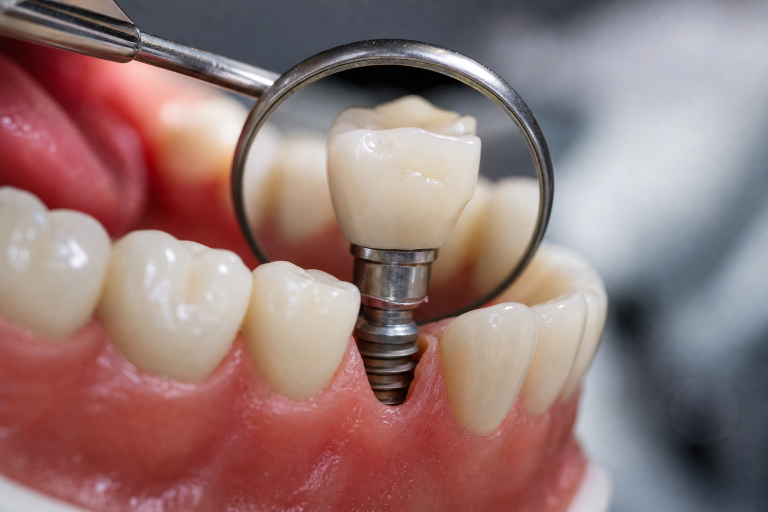
The process starts with consultation, health review, imaging, and treatment planning. Damaged teeth may be removed before implants are placed, if needed. Once the implants have sufficient stability and the bite can be protected, temporary teeth may be attached the same day. Follow-up visits monitor healing before the final crown, bridge, or denture is made and placed. The implant post is inserted into the jawbone, an abutment connects it to the visible tooth, and a temporary restoration is used during healing. The final restoration aims for long-term fit and appearance. The FDA states that dental implants support crowns, bridges, and dentures, but every surgical procedure carries potential risks.
Who May Be A Good Candidate?
Candidacy is determined by an individual exam, not age alone. Favorable factors can include healthy or treatable gums, adequate bone for stable placement, manageable bite forces, good overall health, and a willingness to follow recovery instructions.
Some concerns require additional planning. Bone loss, active gum disease, uncontrolled diabetes, smoking or vaping, heavy teeth grinding, certain medications, and untreated infection can affect healing or implant stability. A person who is not ready for same-day treatment may still be an excellent candidate for staged care, bone grafting, or another implant-supported option.
How Digital Planning Supports Better Decisions
Three-dimensional imaging can help the dental team assess bone height and width, nearby nerves, sinus spaces, and the location of remaining teeth. Digital scans and models can also help guide implant placement, angle, and size, as well as the design of temporary teeth. Technology supports clinical judgment, but it does not replace a careful examination.
Questions To Ask About Your Scan
- What does the scan show about my available bone?
- Will I need grafting or treatment for gum disease first?
- What kind of temporary teeth will I receive?
- How will my bite be protected while the implants heal?
Same-Day Implants Versus Traditional Timing
- Temporary teeth: Same-day treatment may provide them immediately, while staged treatment may wait until a later visit.
- Overall pace: Same-day care gives selected patients a faster start, while staged care allows more time between treatment phases.
- Candidacy: Immediate placement requires stable conditions at the time of surgery, whereas staged care can address bone or gum concerns first.
- Final teeth: Both approaches commonly require healing and evaluation before permanent restorations are delivered.
Faster is not automatically better. The right timeline is the one that supports healing, implant stability, and long-term results.
Preparing For Surgery And Recovery
Bring a complete list of medications, supplements, allergies, and health conditions. Tell the team about tobacco use, diabetes, heart conditions, bleeding concerns, and past dental complications. Ask about food and drink restrictions, arrange a ride if sedation is planned, and prepare soft foods in advance.
Tenderness, swelling, bruising, tightness, and temporary changes in chewing are common after surgery. Follow medication and cleaning instructions closely, avoid smoking, and do not use temporary teeth to test hard or sticky foods. The American Dental Association notes that implant healing can take time and may involve a soft-food diet. Contact the dental team promptly if you experience worsening pain, fever, pus, uncontrolled bleeding, or a loose implant or temporary restoration.
How To Compare Cost And Value
Implant fees vary based on the number of teeth, extractions, bone condition, sedation, materials, laboratory work, and the complexity of the case. Request an itemized estimate rather than comparing only one advertised total.
- Diagnostic scans and consultation
- Extractions and bone grafting
- Sedation and surgical care
- Temporary teeth and final teeth
- Follow-up visits, adjustments, and possible repairs
Ask whether dental insurance, health savings accounts, flexible spending accounts, or financing may apply. Also, ask what happens if the treatment plan changes after imaging or surgery.
Common Questions About Same-Day Dental Implants
Does Same-Day Mean The Final Teeth Are Finished That Day?
Usually not. Many patients receive temporary teeth first, then return for final restorations after healing, bite review, and implant stability checks.
Are Same-Day Implants Painful?
Local anesthesia and, when appropriate, sedation help manage discomfort during treatment. Recovery experiences vary depending on the number of implants and extractions, health history, and individual healing response.
What If I Am Not A Candidate?
A slower plan may be safer and more predictable. Options can include staged implants, grafting, implant-supported dentures, bridges, or removable dentures.
Choose A Timeline That Supports Long-Term Health
Same-day dental implants can offer a meaningful fresh start for carefully selected patients. The best plan is not necessarily the shortest one. It is the plan that accounts for bone, gums, bite, health needs, budget, and recovery habits while supporting a stable, comfortable result.
