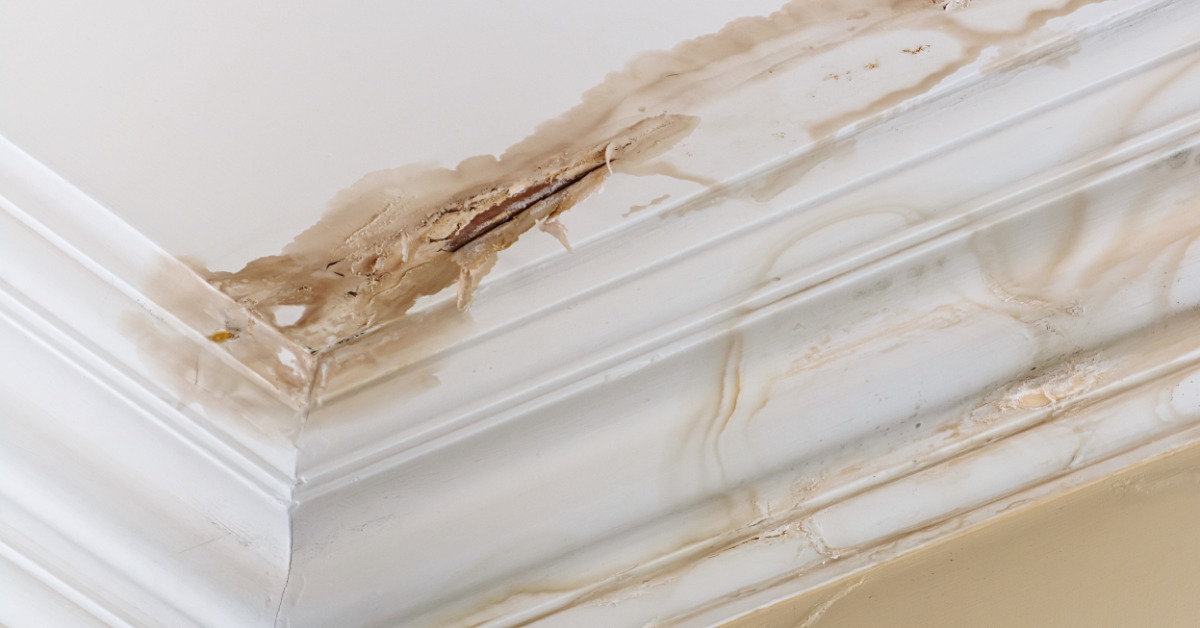
A leaking roof can create problems far beyond an occasional drip from the ceiling. Water may enter through a small opening and travel beneath roofing materials before becoming visible inside the home. By that point, moisture may have already affected insulation or interior finishes. Understanding the most common causes for roof leaks can help homeowners recognize potential trouble sooner and make informed decisions about repairs.
Damaged or Missing Shingles
Shingles form one of the roof’s primary defenses against rain. When shingles crack, loosen, curl, or disappear, the materials underneath become more vulnerable to moisture. High winds can lift shingles from the roof, while repeated exposure to sunlight can gradually make older materials brittle.
Damage does not always produce an immediate leak. A compromised shingle may allow small amounts of water underneath the surrounding roofing materials during rain. Over time, repeated exposure can weaken the protective layers below the shingles and create a path toward the home’s interior.
Homeowners can often identify obvious shingle problems from ground level. Areas that appear uneven or visibly different from the surrounding roof deserve professional attention. Prompt repairs can restore protection before the affected area becomes a larger source of water intrusion.
Worn or Improperly Installed Flashing
Roof flashing helps direct water away from vulnerable joints. Contractors commonly install it where roofing surfaces meet walls, chimneys, vents, and other penetrations. Because these areas interrupt the continuous roof surface, properly installed flashing plays an important role in preventing leaks.
Flashing can deteriorate as the roof ages. Metal sections may loosen, while sealants used around them can crack or separate. Installation problems can also leave openings that allow rainwater to move beneath the roofing system.
Leaks related to flashing may become especially noticeable during wind-driven rain. Water can enter through a narrow gap and travel away from the original opening, making the source difficult to identify from inside the house. A roofing professional can inspect these transition points and determine whether repairs or replacement flashing will solve the problem.
Problems Around Roof Penetrations
Every opening through a roof creates a potential entry point for water. Plumbing vents, exhaust vents, skylights, and similar features require seals that keep rain from reaching the roof deck. Those seals can deteriorate because of age or prolonged weather exposure.
Rubber boots around plumbing vents may crack or split. Skylight components can develop gaps as materials expand and contract. Even a small opening around a penetration can allow enough moisture inside to create staining on ceilings or walls.
The visible stain may not appear directly beneath the damaged area. Anyone researching how to spot hidden roof leaks should remember that water frequently follows rafters or other surfaces before dripping into a visible location. Finding the true source often requires inspecting both the exterior roof and the space underneath it.
Clogged or Damaged Gutters
Gutters help move rainwater away from the edges of the roof. When leaves or other debris block that movement, water can collect where it should normally drain. Standing water near the roofline may eventually work underneath roofing materials, particularly when another vulnerable area is already present.
Damaged gutters can create similar concerns. Sections that sag or pull away from the structure can direct water toward areas not designed for prolonged exposure. This moisture can affect the roof edge and nearby exterior materials.
Regular gutter maintenance supports the roof’s overall drainage system. Keeping channels open allows water to leave the roof efficiently instead of lingering around potentially vulnerable edges. Homeowners should also watch for gutters that overflow repeatedly during ordinary rainfall.
Aging Roofing Materials
No roofing material lasts indefinitely. Years of exposure to heat and changing weather gradually reduce a roof’s ability to resist moisture. Shingles may lose protective surface material, and seals can become less dependable as components age.
An older roof can develop leaks even without obvious storm damage. Small weaknesses may form gradually until rainfall finds a way through the roofing system. Repairs can sometimes address isolated problems, but widespread deterioration may indicate that the roof requires more extensive work.
Age alone does not determine whether replacement is necessary. Installation quality and previous maintenance affect roof condition as well. A professional inspection can provide a clearer picture of whether a specific leak comes from a repairable defect or broader deterioration.
Ice Dams and Winter Conditions
Cold climates create another potential source of roof leaks. Heat escaping through the upper portion of a home can cause snow on the roof to melt. That water may move toward colder roof edges and freeze, creating a barrier that prevents later runoff from draining normally.
As additional water collects behind the frozen area, moisture may move underneath shingles. Once water reaches vulnerable roofing layers, it can enter the home and damage interior surfaces. The problem may continue even when the roof appears intact from outside.
Proper attic insulation and ventilation can help reduce conditions that contribute to uneven roof temperatures. Removing drainage problems before winter also helps the roofing system handle melting snow more effectively.
Poor Roof Installation
Even relatively new roofs can leak when installation errors leave vulnerable areas behind. Incorrectly positioned materials or poorly sealed penetrations can create pathways for water long before the roofing materials reach the end of their expected service life.
Installation-related leaks sometimes become apparent soon after heavy rain. Others remain unnoticed until specific weather conditions direct water toward the affected area. Because the visible symptoms may resemble ordinary wear, determining the underlying problem often requires a careful professional inspection.
Quality installation matters throughout the entire roofing system. Correct placement allows individual components to work together so water moves toward drainage areas rather than beneath protective materials.
Protect Your Home From Roof Leaks
Roof leaks can begin with obvious storm damage or subtle deterioration that develops over time. Paying attention to roof condition gives homeowners a better opportunity to respond before moisture spreads into the home. Understanding the most common causes for roof leaks also makes warning signs easier to recognize and helps homeowners know when professional evaluation is appropriate.
Routine maintenance can preserve vulnerable components, while timely repairs can prevent a small opening from becoming a more disruptive problem. When stains or other signs of moisture appear, locating the actual entry point is essential because water may travel before becoming visible. A qualified roofing professional can evaluate the roofing system, identify the source of intrusion, and recommend repairs that restore reliable protection against future weather.
More Tips to Address Roof Leaks:
