Opting for a tankless water heater brings both immediate and long-term benefits, such as endless hot water and potential energy savings of up to 34% if your household uses 41 gallons or less of hot water daily. 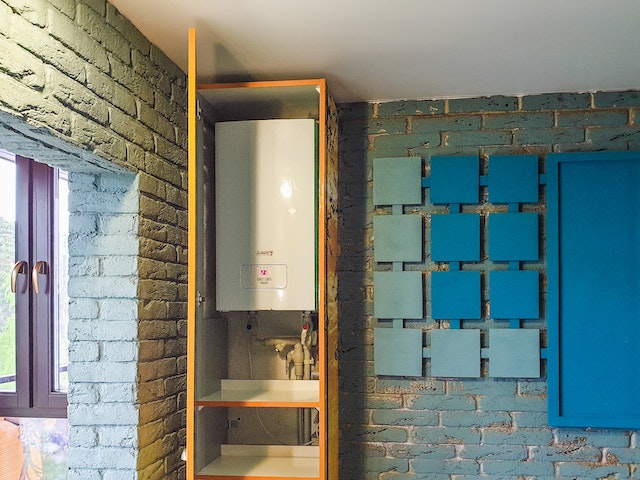 Their longer lifespan of more than 20 years, compared to traditional tank heaters, can be a significant advantage. However, the installation process requires careful planning and understanding to ensure it runs smoothly and effectively.
Whether you are upgrading your current system or installing one for the first time, knowing what to expect can help you prepare for a successful tankless water heater installation. This article offers an in-depth look at the steps involved and the adjustments your home may need, enabling you to manage the process with confidence.
Preparing for Tankless Water Heater Installation
Before the installation begins, it’s important to evaluate whether your home’s existing electrical and gas systems can accommodate a tankless water heater. These units require a higher voltage electrical panel or larger gas lines. A professional assessment can determine the need for any upgrades.
A key aspect of preparation involves selecting the right location for your unit. Tankless water heaters can be installed in smaller, more discreet locations because they don’t require the large space that traditional tanks do. However, they should still be easily accessible for maintenance and close to the main usage points to maximize efficiency.
Choosing a qualified installer is vital. Look for licensed professionals with experience in Tankless Water Heater Installation in Boise, ID by Magic Electric, Plumbing, Heating & Air. Ensure they have a proven track record of successful installations and positive customer feedback.
Understanding the Installation Process of a Tankless Water Heater
The actual installation of a tankless water heater generally involves several steps, starting with the removal of your old heating unit. Installers will then prepare the new unit’s location, which may include installing new venting to the outside and making necessary adjustments to electrical and gas lines.
During the installation, safety is paramount. Professionals will ensure that all connections are secure and that the system complies with local building codes, which usually involves obtaining the necessary permits. They will also test gas or electrical connections for leaks or faults.
It is helpful to schedule the installation during a time when being without hot water will cause minimal disruption to your household. Once work starts, it may take anywhere from a few hours to a full day for the system to be completely installed and operational.
Adjusting Your Home for a Tankless Water Heater System
Transitioning to tankless water heating may necessitate some changes to your home. Older homes, in particular, may require upgrades to piping, gas lines, and electrical systems to suit the higher demands of modern tankless units.
In some cases, additional considerations such as installing a water softener may be recommended to prevent mineral build-up inside your water heater, ensuring it operates efficiently. You may also need to consider the location and pathway of new venting systems, especially if your chosen unit is gas-powered.
Preparatory work like these adjustments is best done before the installation date to avoid any delays. Consult with your installer about any specific preparations needed and budget accordingly for these potential additional costs.
Post-Installation: What to Expect from Your Tankless Water Heater
Once your tankless water heater is installed, you will experience immediate benefits like continuous hot water and potentially lower utility bills. Since tankless heaters only heat water as it is needed, they tend to be more energy-efficient than traditional units.
Regular maintenance is less demanding than with tank systems, but it’s still important. Flushing the system annually to remove mineral deposits can prolong its life and ensure it performs at peak efficiency. Always refer to your specific model’s guidelines for maintenance recommendations.
Be aware that although initial costs can be high, the long-term savings, convenience, and compact design of a tankless water heater often make the investment worthwhile. Monitor the system’s performance and consult your installer if you experience any issues or have concerns.
Overall, the transition to a tankless water heater system is a significant but beneficial home improvement project. With proper preparation, understanding the installation process, and adjusting your home accordingly, you can enjoy the enhanced comfort and efficiency that comes with modern water heating technology.
More tips on water heaters:
- Don’t Get Left in the Cold: The Key Benefits of Professional Water Heater Repairs
- What are the signs that a water heater needs to be replaced?
- Why Professional Water Heater Repair is Essential for Your Home
