A full day on the trail is a great way to get outdoors, explore new places, and spend uninterrupted time with family or friends. But several hours in a UTV can also make small inconveniences—an uncomfortable seat, nowhere to put your gear, or too much dust—feel much bigger.
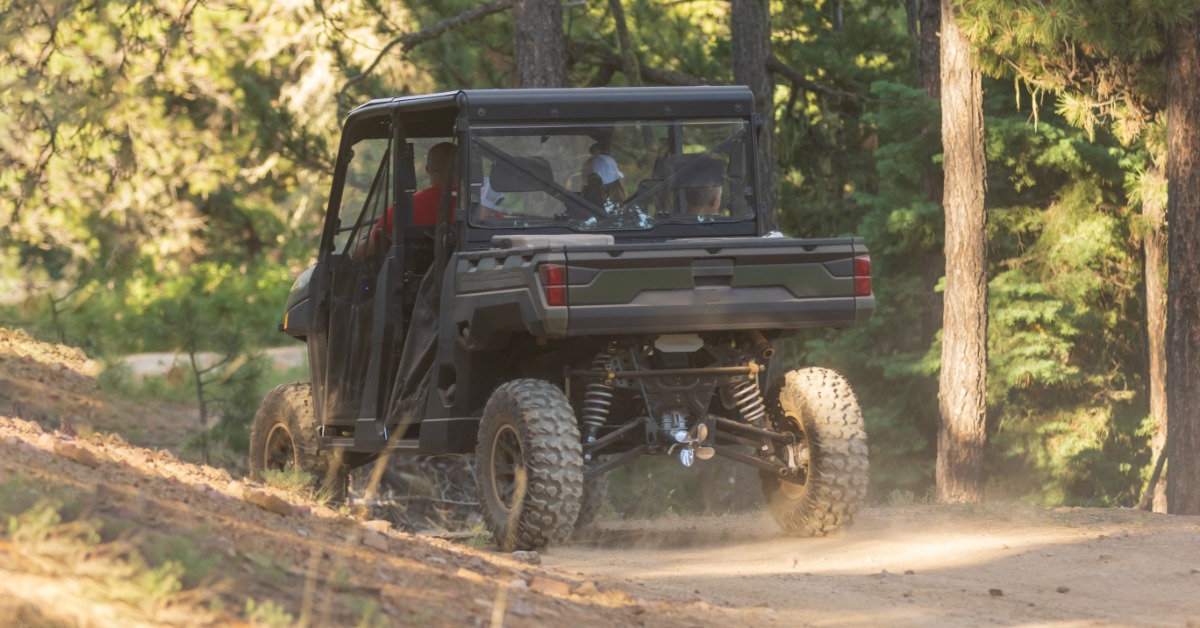
A few thoughtful ways to improve your UTV for long days on the trail can make outings easier without turning the vehicle into a complicated project. The best improvements focus on comfort, organization, communication, and practical features that make sense for how the UTV is actually used.
Make the Seats More Comfortable
Factory seats may be fine for shorter rides, but comfort becomes more important after several hours on rough terrain. Supportive aftermarket seats, additional cushioning, or properly positioned harnesses make repeated bumps and uneven sections less tiring.
Pay attention to ergonomics as well. A comfortable seating position should allow the driver to reach the steering wheel and controls easily without stretching or sitting awkwardly.
Add Protection From the Elements
Weather can change quickly during a long trail day. A roof provides valuable shade from direct sun, while a windshield reduces exposure to wind, dust, insects, and flying debris.
Depending on the climate and riding season, doors or other enclosure components may also be worthwhile. It’s best to choose equipment that maintains appropriate ventilation and visibility for the conditions in which the vehicle will be used.
Create a Better Storage System
A longer outing means carrying more than usual. Water, snacks, jackets, tools, recovery equipment, first-aid supplies, and personal items all need somewhere secure to go.
Instead of letting loose items collect in the cab or cargo bed, use sealed storage boxes, organizers, and properly secured bags. Keeping the essentials organized makes them easier to find and prevents gear from shifting as the terrain changes.
Improve Your Audio Setup
Music can make long stretches of trail more enjoyable, particularly during relaxed recreational rides. An off-road audio setup needs to account for challenges that aren’t as noticeable in a regular passenger vehicle, including engine noise, wind, dust, vibration, and exposure to the weather.
Placement matters, too. For riders considering overhead equipment, understanding common misconceptions about roof-mounted sound systems can help when comparing audio configurations and deciding what works for a particular UTV. Whatever the setup, volume should remain low enough for the driver to hear passengers, other vehicles, and important sounds from the machine.
Upgrade Lighting for Late Returns
Even a ride planned for daylight hours can run longer than expected. Extra UTV lighting improves visibility when a trail day stretches toward dusk, especially on unfamiliar routes.
Before adding lights, consider where illumination is actually needed rather than simply choosing the brightest option. Properly positioned lighting can help reveal turns and obstacles while reducing glare for the driver and other trail users.
Prepare for Temperature Changes
Morning temperatures can feel very different from conditions later in the day, especially when elevation or weather changes are involved. Riders can prepare by keeping lightweight layers, rain protection, gloves, and other seasonally appropriate clothing on board.
Cab comfort accessories may also help in particularly hot or cold riding environments. The goal is to make it easier to adapt throughout the day instead of relying on the forecast from the moment the trip begins.
Keep Drinks and Snacks Easy To Reach
Food and water might seem like minor considerations until everyone is miles from the starting point. Pack enough drinking water for the planned outing, plus some extra in case the ride lasts longer than anticipated.
A small cooler or insulated storage area can keep drinks and snacks convenient without cluttering the passenger compartment. Families may find individually packed snacks especially useful because they make stops quicker and cleanup easier.
Consider Communication Equipment
Cell service can be inconsistent in rural riding areas, so cell phones shouldn’t be treated as the only communication option. Depending on the location and type of trip, riders may consider appropriate two-way communication equipment for staying in contact with others in their group.
Communication is particularly useful when several UTVs are traveling together. Before heading out, everyone should also understand the planned route, meeting points, and what to do if the group becomes separated.
Carry Basic Recovery and Emergency Gear
No upgrade guarantees a trouble-free trail day. Flat tires, mechanical problems, muddy sections, and unexpected delays can happen even when the UTV is well maintained.
Carry supplies appropriate to the vehicle and terrain, which may include a tire repair kit, inflator, basic tools, recovery equipment, flashlight, first-aid kit, and emergency water. Drivers should know how to use their equipment safely before they need it.
Reduce Dust and Mud Inside the Cab
Dust has a way of finding everything, including drinks, electronics, clothing, and storage compartments. Windshields, rear panels, doors, and other cab components help manage exposure, although airflow patterns vary between UTV configurations.
For personal belongings, sealed containers provide another layer of protection. A designated bag for muddy shoes or clothing also makes the drive home considerably easier, particularly after a family outing.
Check the UTV Before Every Long Ride
Accessories are useful, but basic maintenance has an even bigger effect on whether a trail day goes smoothly. Before leaving, check the tires, fluids, brakes, battery, lights, and other items specified by the vehicle manufacturer.
It is also smart to begin with adequate fuel or charge for the planned route, with a reasonable margin for delays and detours. A few minutes of preparation at home can prevent an avoidable problem far from the trailhead.
Choose Improvements Around Your Family’s Needs
Not every UTV needs every accessory. A family taking relaxed day trips may prioritize comfortable seating, organized storage, weather protection, and entertainment, while riders tackling more remote terrain might place greater emphasis on recovery equipment and communication.
Start by noticing what consistently causes frustration during current rides. The most useful ways to improve your UTV for long days on the trail are the ones that solve those recurring problems rather than the ones that simply add more equipment.
Long trail days should feel adventurous without becoming unnecessarily exhausting. By improving comfort, organization, preparedness, and a few everyday conveniences, your family can spend less time dealing with distractions and more time enjoying where the trail takes you.
More Outdoor Adventure Tips:
