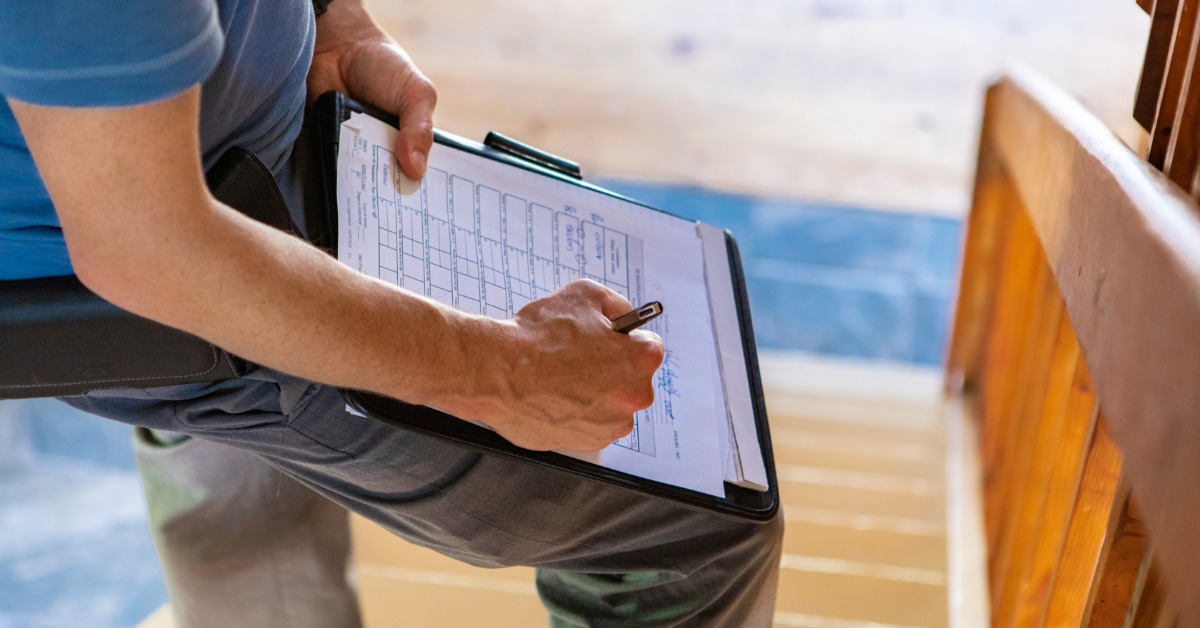
Buying a home comes with plenty of excitement, but it also requires careful decisions before closing day. A home inspection gives you a closer look at the property so you can better understand its condition and identify concerns that may affect your purchase.
Preparing ahead of time helps you get more value from the home inspection without creating more stress during the home buying process. When you know what to expect, you can focus on learning about the home rather than worrying about every minor flaw the inspector finds.
Understand the Inspection
A home inspection gives buyers an opportunity to learn about a property’s major systems and visible components. The inspector examines accessible areas and points out defects, maintenance concerns, or conditions that warrant additional attention.
The process doesn’t assign a house a passing or failing grade. Instead, the inspector provides information to help you decide what deserves attention before you move forward with the purchase.
Many buyers schedule an inspection after you go under contract in real estate and enter the due diligence period. Your purchase agreement may set deadlines for completing the inspection and responding to any issues you discover, so review those dates carefully.
Choose Your Inspector Carefully
A thorough inspection depends heavily on the person you hire. Look for an inspector with appropriate credentials for your area and experience evaluating homes similar to the property you plan to buy.
Ask how long the inspection usually takes and what the final report includes. You can also ask whether the inspector encourages buyers to attend, since attending gives you an opportunity to see concerns firsthand.
Price deserves consideration, but don’t make cost your only deciding factor. A detailed inspection can give you information that affects repair discussions and your plans for owning the property.
Review the Property First
Spend some time thinking about anything you noticed during previous showings. You may have spotted a stain near a ceiling, an unusual smell in the basement, or a window that didn’t operate smoothly.
Write down those concerns before inspection day so you remember to ask about them. Your inspector can often provide context or explain when another specialist should examine a specific issue.
Review the seller’s disclosures as well. Those documents may note prior repairs or recurring issues that warrant a closer look during the inspection.
Attend When You Can
Try to attend the inspection if your schedule allows. Walking through the home with the inspector gives you a much clearer sense of the property than reading the final report alone.
You can watch how the inspector evaluates different areas and ask questions when something catches your attention. The inspector may also point out shutoff valves or other useful features you’ll want to know about as a homeowner.
Give the inspector enough space to focus while remaining involved. Save longer discussions for natural pauses so the inspector can complete a careful examination without constant interruptions.
Dress for the Property
An inspection can take you through basements or exterior areas that require more practical clothing than a typical home showing. Wear comfortable shoes and choose clothes that let you move around the property without worrying about a little dirt.
Weather can also affect your comfort during the exterior portions of the inspection. Check the forecast before leaving home so you can dress appropriately for the conditions.
You probably won’t follow the inspector into every area. Inspectors may need extra space to examine equipment or navigate confined areas, so follow their instructions throughout the visit.
Ask Useful Questions
Inspection day gives you a valuable opportunity to learn how the home functions. Instead of asking whether every finding should stop you from buying, ask what each issue means and how quickly it may need attention.
You can also ask about signs that indicate future problems. Understanding what to watch for can help you maintain the property after closing.
Keep questions focused on the home’s condition rather than repair costs unless the inspector provides that service. Contractors often provide more accurate pricing when you need estimates for specific work.
Expect Imperfections
Almost every home inspection uncovers something. Even newer properties can have minor defects or maintenance needs, so a lengthy inspection report doesn’t automatically signal a bad purchase.
Focus on the significance of each finding rather than on how many items appear in the report. A loose door handle deserves far less attention than a major electrical concern or an active roof leak.
The inspector can help you understand which findings need immediate attention and which ones can become routine maintenance projects. That perspective can make a detailed report feel much more manageable.
Understand the Limits
A standard inspection covers visible and accessible parts of the property, but the inspector can’t see through walls or anticipate every future repair. Keep those limitations in mind as you review the findings.
Some concerns may require further evaluation from a qualified specialist. An inspector might recommend that an electrician examine a wiring problem or that a roofer take a closer look at visible damage.
Don’t treat a recommendation for further evaluation as unnecessary alarm. A specialist can provide more detail when a condition falls outside the inspector’s scope or requires technical expertise.
Consider Extra Inspections
The property’s age or location may make additional inspections worthwhile. Your real estate agent and home inspector can help you identify concerns that deserve specialized attention.
Some homes may need radon or wood-destroying insect inspections, depending on local conditions. Properties with wells or septic systems may also require additional evaluation before closing.
Choose additional inspections based on the home rather than ordering every available service automatically. A targeted approach can help you gather useful information without unnecessarily complicating the buying process.
Read the Full Report
Your inspector will provide a report after completing the evaluation. Set aside enough time to read the entire document rather than skipping to photographs or highlighted concerns.
Pay attention to explanations that clarify why the inspector flagged a problem. Those details can help you distinguish immediate concerns from maintenance tasks you can address after moving in.
Contact the inspector if you don’t understand a finding. A brief follow-up conversation can often clarify technical language and help you determine what information you need next.
Discuss the Findings
Once you understand the report, talk with your real estate agent about your options under the purchase agreement. The contract and local practices can influence how you approach repairs or other negotiations.
You might decide to request a repair or ask for another solution when the contract allows it. In other situations, you may accept a condition because you feel comfortable handling the work after closing.
Avoid treating every small defect as a negotiation point. Focusing on meaningful concerns can keep discussions productive and help you concentrate on issues that could significantly affect ownership.
Think Beyond Closing
An inspection report can remain useful long after you buy the home. Keep a copy so you can refer to maintenance notes and monitor areas that may need future attention.
The report can also help you start planning home improvement priorities. If the inspector identifies an aging component that still functions properly, you can prepare for its eventual replacement rather than facing the expense without warning.
A home requires ongoing care regardless of its age. The inspection gives you a useful starting point for understanding what your particular property may need.
Move Forward With More Confidence
Preparing for a home inspection doesn’t require technical knowledge about construction. You simply need to understand the process, participate when possible, and ask questions that help you learn about the property you hope to buy.
Use the inspection as an information-gathering opportunity rather than a search for a flawless house. When you carefully review the findings and focus on significant concerns, you can approach the next stage of your home purchase with a clearer picture of what ownership may entail.
More tips for first-time homebuyers:
