Combining music and lighting can transform any environment into a captivating sensory experience. LED lights that sync to music have gained immense popularity in recent years, providing a dynamic visual accompaniment to audio.
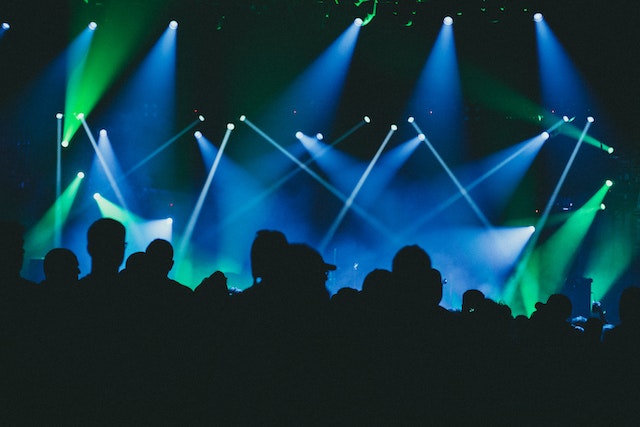
These lights pulse, change colors, and dance harmoniously with the music’s rhythm, creating an immersive atmosphere for parties, concerts, and even home entertainment systems. But how do LED lights sync to music, and what technological wizardry makes it possible? We will delve into the fascinating world of sound-responsive LED lighting, shedding light on the mechanisms, technologies, and applications that bring music and visuals into perfect sync.
The Marriage of Light and Sound
Syncing LED lights to music is fundamentally about harmonizing two art forms: visual and auditory. By coordinating the lighting effects with the rhythm, melody, and dynamics of music, LED lights can enhance the emotional impact of songs, adding a layer of visual storytelling to the auditory experience. At the core of this synchronization is the desire to amplify the emotional connection between music and the audience. Whether it’s a slow, melancholic ballad bathed in soft, shifting pastel hues or an energetic dance track pulsating with vibrant, rapid color changes, syncing LED lights to music aims to engage the senses fully, making the experience more immersive and memorable.
The Science Behind LED Light Synchronization
The synchronization of LED lights with music is a harmonious blend of science and creativity. At its core, the process relies on the precise timing and control of individual LEDs to match the music’s tempo, rhythm, and mood. Here’s a closer look at the science that makes it possible:
-
Audio Analysis:
The process initiates with audio analysis, where the music is dissected into its fundamental elements: beats, tempo, volume, and frequencies. Software and algorithms analyze the audio signal to determine when significant events occur in the music, such as beats, transitions, or intensity changes.
-
Data Mapping:
Once the music’s key elements are pinpointed, the data is mapped to control the behavior of the LEDs. Each LED approximates a specific frequency range, permitting them to respond to diverse aspects of the music, such as bass, midrange, or treble.
-
Timing and Choreography:
Timing is critical in LED light synchronization. The software orchestrates the behavior of each LED, determining when it should turn on, change color, or dim. The choreography is carefully crafted to match the music’s rhythm and dynamics.
-
Control Protocols:
Various control protocols, such as DMX (Digital Multiplex) or Art-Net, communicate with and control the LEDs. These protocols enable precise control over individual LEDs or groups, allowing for intricate and synchronized lighting effects.
-
Hardware Integration:
LED lights are generally integrated into a lighting system, including controllers, amplifiers, and power supplies. These components operate together to execute the choreographed lighting sequences in real time.
Equipment and Technologies for LED Light Synchronization
Several equipment and technologies are essential for achieving LED light synchronization with music. These include:
-
LED Strips and Fixtures:
LED strips and fixtures arrive in diverse forms, including flexible strips, bulbs, and panels. They are the physical components that emit light and are strategically placed to assemble the desired visual effects.
-
Lighting Controllers:
Lighting controllers are the brains behind the operation, responsible for processing audio data and translating it into lighting commands. These controllers can be hardware-based or software-based, and they play a paramount role in achieving synchronization.
-
Audio Analysis Software:
Audio analysis software analyzes music tracks and extracts data about beats, tempo, and frequencies. This data serves as the foundation for mapping lighting effects to the music.
-
Control Protocols:
Control protocols like DMX (Digital Multiplex) are paramount for transmitting lighting commands from the controller to the LEDs. DMX is widely utilized in professional lighting setups due to its reliability and precision.
-
Sound-to-Light Software:
Sound-to-light software bridges the gap between music and lighting. It interprets the analyzed audio data and generates lighting cues, specifying which LEDs should activate and how they should behave in response to the music.
-
Amplifiers and Power Supplies:
Amplifiers boost the control signal sent to the LEDs, ensuring that it reaches all the lights in the setup. Power supplies furnish the paramount voltage and current to illuminate the LEDs.
The synchronization of LED lights to music is a captivating art form that merges the worlds of visual and auditory expression. It relies on the precise science of audio analysis, data mapping, and choreography, coupled with advanced technologies and equipment. With the right techniques and creative vision, LED light synchronization can elevate the emotional impact of music, transforming it into a multisensory experience that resonates deeply with audiences in various settings and industries. As technology advances, the possibilities for creating mesmerizing audiovisual performances using LED lights are boundless, promising an ever-evolving landscape of creativity and innovation. Many homeowners now adorn their homes with Christmas lights that sync with music, creating dazzling and synchronized displays that have become a festive tradition.
