Summer takes a toll on every part of your home, from the paint on your siding to the performance of your HVAC system. Before fall creeps in, use this August home maintenance checklist to spot hidden issues, prep for cooler weather, and stay ahead of costly surprises.
August Home Maintenance Checklist: Check Exterior for Summer Damage
Don’t just look, inspect. Start with your siding. Warping can trap moisture and lead to mold growth, while bubbling may point to heat damage from intense sun exposure. If your hand picks up a chalky residue, UV rays have already broken down the paint or material surface. Slight warping or a “pillowy” look could be from thermal expansion, not damage yet, but a sign to watch. Snap a photo now and re-check it in spring to see if things have worsened. That way, summer home maintenance becomes proactive instead of reactive.
For the roof, binoculars or a drone can help you spot curling shingles, missing granules, or rust on flashing. Heat expands materials, and cool evenings contract them, this cycle gradually breaks down seals and adhesives. Another subtle clue: if gutter screws look like they’re backing out or if gutters are pulling slightly from the fascia, it might mean the wood underneath has warped from temperature swings.
When it comes to paint, don’t stop at looking for peeling or blistering, especially on southern and western-facing walls that take the brunt of the sun. Fading isn’t just cosmetic; it’s a signal that UV damage is degrading the surface and probably the moisture resistance beneath, even if everything still looks okay from a distance.
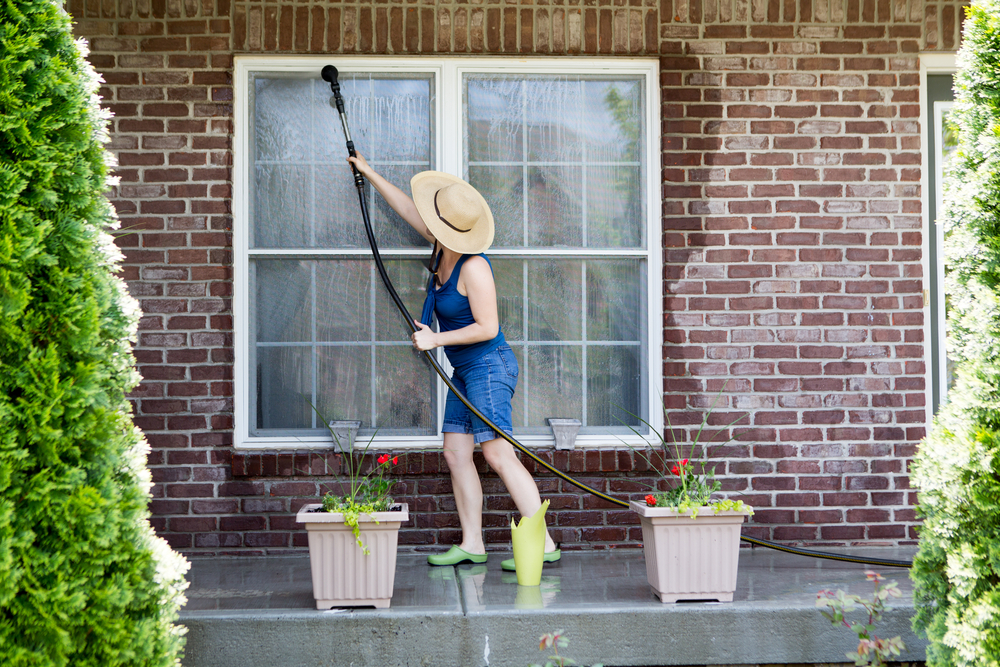
Here’s a quick test that reveals a lot: use a garden hose to lightly spray around doors and windows. If you notice moisture creeping in, your caulking or flashing might need attention.
Instead of the usual “look for damage,” teach homeowners to read their home like a weathered book. Sun, heat, and time always leave a mark, you just have to know how to read it. Add this to your August home maintenance checklist and revisit each season.
HVAC Maintenance Tips to Prep for Cooler Weather
Don’t wait until the first cold snap to realize your heat won’t kick on. Switch your thermostat to heating mode on a cool morning to ensure it fires up properly, no strange smells or sounds. Then run a quick short-cycle test: turn it on, then shut it off. If it starts and stops too quickly, that could point to a faulty thermostat, airflow problems, or sizing issues. These are cheaper to fix before heating becomes daily.
While you’re at it, change the air filters (yes, again). Summer pollen, dust, and pet dander clog them fast. A clean filter keeps airflow efficient heading into fall and reduces stress on the system. Check your outdoor condenser unit too, grass clippings, leaves, and debris from summer landscaping can choke airflow. Turn off the power, grab gloves, and clear at least 2 feet around it.
Now’s also a smart time for a pre-season HVAC maintenance inspection. Techs are less busy in late summer than when everyone rushes for help after the first freeze. They’ll check blower motors, refrigerant levels, duct seals, and catch minor issues before they turn into expensive problems.
Let’s frame all of this like a reset ritual, not just maintenance. Summer A/C runs usually reduce humidity, but fall brings unpredictable swings. Calibrating humidity sensors, or adding one, can help you decide between a humidifier or dehumidifier to keep winter air quality in check. And if you really want to get ahead of the game, create a seasonal comfort baseline: take note of how fast each room warms up or cools now, so later you’re not wondering, “Was the guest room always this cold?”
HVAC maintenance doesn’t just prep your system, it teaches you how your home breathes. Track your HVAC’s personality while it’s still behaving.
Summer Home Maintenance Tips for Outdoor Cleanup
Here’s a smart late-summer checklist that saves you time and money in autumn. Start with the gutters: scoop out old debris and give them a quick pre-fall rinse to flush out bugs, seed pods, and summer maintenance buildup. That way, fall debris won’t clump or clog as fast, and you’ll also confirm your downspouts are flowing before storms hit. Installing gutter guards now makes the job cleaner and lighter, waiting until after the leaves fall only makes it messier and heavier.
Tidy up your landscaping while you’re at it. Trim back trees and shrubs to prevent damage during fall storms and reduce leaf drop directly onto your roof and gutters. Adding mulch borders around planting areas also helps, this keeps leaves from blowing into beds where they’re harder to remove and more likely to cause mold or mildew.
Decks deserve a close look, too. Check for loose boards, popped nails, and flaking stain. Resealing in late summer ensures water repellency before wet weather sets in, and sealing larger gaps with backer rod helps block leaf litter from settling into spots you can’t sweep out.
If you have sprinklers, double-check that the heads are angled away from walkways or foundations to avoid overwatering issues as temperatures shift.
Smart homeowner hook: “Make leaf cleanup 3x easier by doing this one thing in August.” Put it on your summer home maintenance list, it pays off quickly.
Summer Home Maintenance: Spot Hidden Water Damage
Humidity and flash storms wreak silent havoc. In the attic, check for damp insulation, musty odors, or discoloration around roof vents and nails that may “sweat”, these signs often show up before there’s visible ceiling damage. High summer humidity also leads to condensation on basement pipes and walls. If you spot mold on baseboards or watermarks near the foundation edges, that’s your warning sign.
Moisture sneaks in around windows and doors too. Look for peeling caulk, swelling wood trim, bubbling paint, or warped edges, especially under window sills, where wind-driven rain can settle and seep in. Uneven caulk lines or warped baseboards are early clues. Interior doors sticking more than usual? That could be swelling from excess humidity, an indirect sign of poor ventilation. Suggest running bathroom and kitchen fans a bit longer or adding a humidity sensor to stay ahead of it.
Don’t forget areas that rarely get inspected. Behind appliances like washers, dishwashers, and fridges, summer heat mixed with slow leaks can create the perfect mold buffet. A smart move: place a cheap hygrometer in the basement for a week. If it consistently reads over 60% humidity, the mold risk is high, and most people don’t realize that’s the real danger zone. Summer home maintenance tips like this prevent hidden disasters.
Summer Maintenance for Plumbing and Irrigation Systems
Yes, and getting ahead of this by even a few weeks can prevent costly pipe repairs. Start by inspecting hose bibs and spigots, slow drips often go unnoticed during summer but can turn into burst pipes once freezing temperatures hit. It’s also a good time to check outdoor shut-off valves to make sure they aren’t seized up when it’s time to winterize.
Drain hoses and store them properly: coil loosely to avoid kinks, keep them off concrete, and stash them indoors if possible. If you’re in a northern zone, don’t wait until the last minute to schedule your sprinkler blowout. A surprise frost can do underground damage long before winter officially arrives.
To shift from freeze-prevention to futureproofing, suggest upgrading hose bibs to frost-free models now, before labor rates spike during the first cold snap. And instead of vague reminders, give readers an actual date to aim for: “Target October 15th unless you live in Zone 9 or warmer.” Most irrigation damage comes not from the freeze itself, but from forgetting to shut things off.
It’s also smart to run basement sinks or tubs now and listen for gulps or gurgles, signs of slow drains that are easier to fix before pipes go cold. A helpful mindset tip: you’ll never regret draining early. You will regret draining late. Don’t let plumbing be the weak link in your summer maintenance plan.
Summer Home Maintenance Checklist for Storing Outdoor Gear
Don’t just shove stuff into the garage and forget it. Proper storage extends the life of your gear by seasons, not just months. Start by thoroughly cleaning everything: patio furniture, cushions, pool gear, and gardening tools should all be washed and dried completely. Dry cushions should be stored indoors in large contractor bags with silica packs or a moisture absorber to prevent mold. Pool skimmers, floats, and test kits do best in a climate-controlled space, drain pumps and filters if you’re closing the pool for the season. For tools, remove dirt, sharpen blades, and wipe with a light coat of oil to keep rust away.
Now move past the usual “store it dry” advice. Think smart storage to avoid spring frustration. Use waterproof QR-coded labels (apps like Sortly make it free and easy) so you’re not digging through six dusty bins next year to find one item. Where you store things matters too, garages and sheds have microclimates. Place sensitive items near the center, away from walls that swing in temperature or attract pests, smart pest control starts with smart storage
Elevate everything, even just with a pallet and bricks, to keep gear dry and discourage rodents. Peppermint oil or mothballs are a solid bonus deterrent. And here’s a niche but memorable trick: zip-tie your hose nozzles to the coiled hose itself, so they don’t mysteriously disappear by May. Add this to your summer home maintenance checklist now for a stress-free spring later.
Summer Home Maintenance Ideas to Cut Fall Energy Bills
This is the perfect time to prep for lower heating bills without overhauling your whole house. Start with easy wins like installing and programming a smart thermostat now, before cooler weather kicks in. Set the schedule based on actual routines, not guesses. Go one step further with smart vent systems like Flair or Keen. These create room-by-room comfort and take zoning beyond the thermostat without major ductwork retrofits.
Attic hatches are another blind spot. Most homeowners don’t realize how much heat escapes through these access points. A $50 attic hatch insulation tent can outperform expensive attic insulation if that one spot is left untreated. You can boost results further by adding insulation and weatherstripping to basement joists and other often-overlooked edges that leak more heat than you’d expect.
For windows, opt for interior storm panels or window film. These DIY fixes block drafts and slow heat loss without the need for full window replacements. If you’re not sure where your home is losing energy, a thermal camera inspection, either rented or purchased, can reveal hidden leaks around can lights, outlets, or baseboard corners. It’s a weekend project that pays off fast.
Ductwork deserves attention too, especially in homes with both heating and cooling. Sealing leaks can stop energy from literally blowing out of your vents. And while you’re adjusting lighting for longer evenings, swap out incandescents for LEDs in your most-used fixtures, lower heat output and lower energy use add up quickly.
One final trick: place Wi-Fi water leak sensors near pipes prone to freezing. It’s not a direct energy saver, but it could prevent the kind of cold snap damage that undoes all your HVAC maintenance efforts in one night.
More summer maintenance tips:
- Seasonal Plumbing Maintenance Tips From A Professional Plumber
- Make Your Home the Place to Be This Summer
- Top 6 Pool Maintenance Hacks You Need To Know
