For many families, the death of a pet can bring deep sadness into a household. Children may also feel confused or distressed because a familiar source of comfort has disappeared.
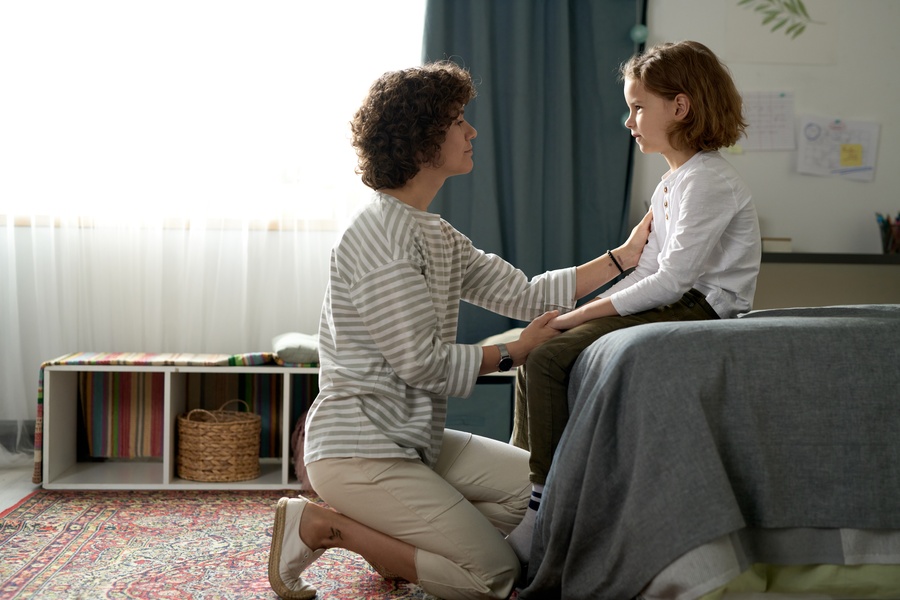
Parents introducing pets into a household should also know how to guide children through their eventual loss with honest explanations and dependable care. A calm approach helps children understand death while making room for grief.
Share the News Clearly
First, it’s important to use direct words such as “died” when explaining what happened. Phrases such as “went to sleep” may cause fear about bedtime or medical procedures.
Give a simple explanation that matches the child’s age and avoid graphic details. Admit when no clear answer exists. A parent can say that some questions about death remain difficult to answer.
Keep answers brief at first. Additional details can follow when a child shows readiness for more information. This may also include questions about end of life planning, as families may consider burial or traditional cremation as well as aqua cremation for pets.
Accept Different Reactions
Grief does not look the same for every child. One child may cry while another child may seem distracted or eager to play. Some children may become quiet or irritable. Others may worry about another pet or family member dying.
Treat each response with patience. Avoid telling a child to stay strong or move on before sadness begins to ease.
Maintain Familiar Routines
Regular meals and bedtimes can create stability after a loss. School schedules and family activities can also reduce uncertainty.
A child may need extra comfort during ordinary parts of the day. Quiet attention can offer reassurance without forcing a conversation. Temporary changes may still help. A later bedtime or added family time can support a child during the first difficult days.
Invite Healthy Ways to Remember
A memorial activity gives grief a clear form. Children can choose an activity that reflects the pet’s place in family life.
Possible remembrance activities include:
- Draw a favorite memory of the pet.
- Create a small photo album.
- Write a goodbye letter.
- Plant a flower in a special place.
- Donate supplies to an animal shelter.
Avoid taking over the project. A child should guide the activity whenever possible.
Watch for Ongoing Distress
Strong emotions often follow a pet’s death. Concern may grow when distress continues to disrupt sleep or school for an extended period.
A pediatrician or school counselor can offer guidance. Professional support may help when grief affects daily functioning.
Model Healthy Grief
Parents can show sadness without placing emotional responsibility on a child. Simple statements about missing the pet can normalize grief.
Adults should also maintain basic self-care and household routines. Steady behavior helps children feel protected during a painful transition.
Keep Future Conversations Open
Grief may return during birthdays or family milestones. A new pet can also bring old feelings back to the surface.
Continue guiding and providing support to your children after the first conversations on pet loss end. Ongoing openness teaches children that memories and difficult feelings can receive care at any time.
The goal does not involve removing sadness quickly. Consistent support helps children understand loss and remember a beloved pet with honesty.
More Ways to Guide Your Children Through Loss:
