Defining Holistic Health and Wellness Approaches

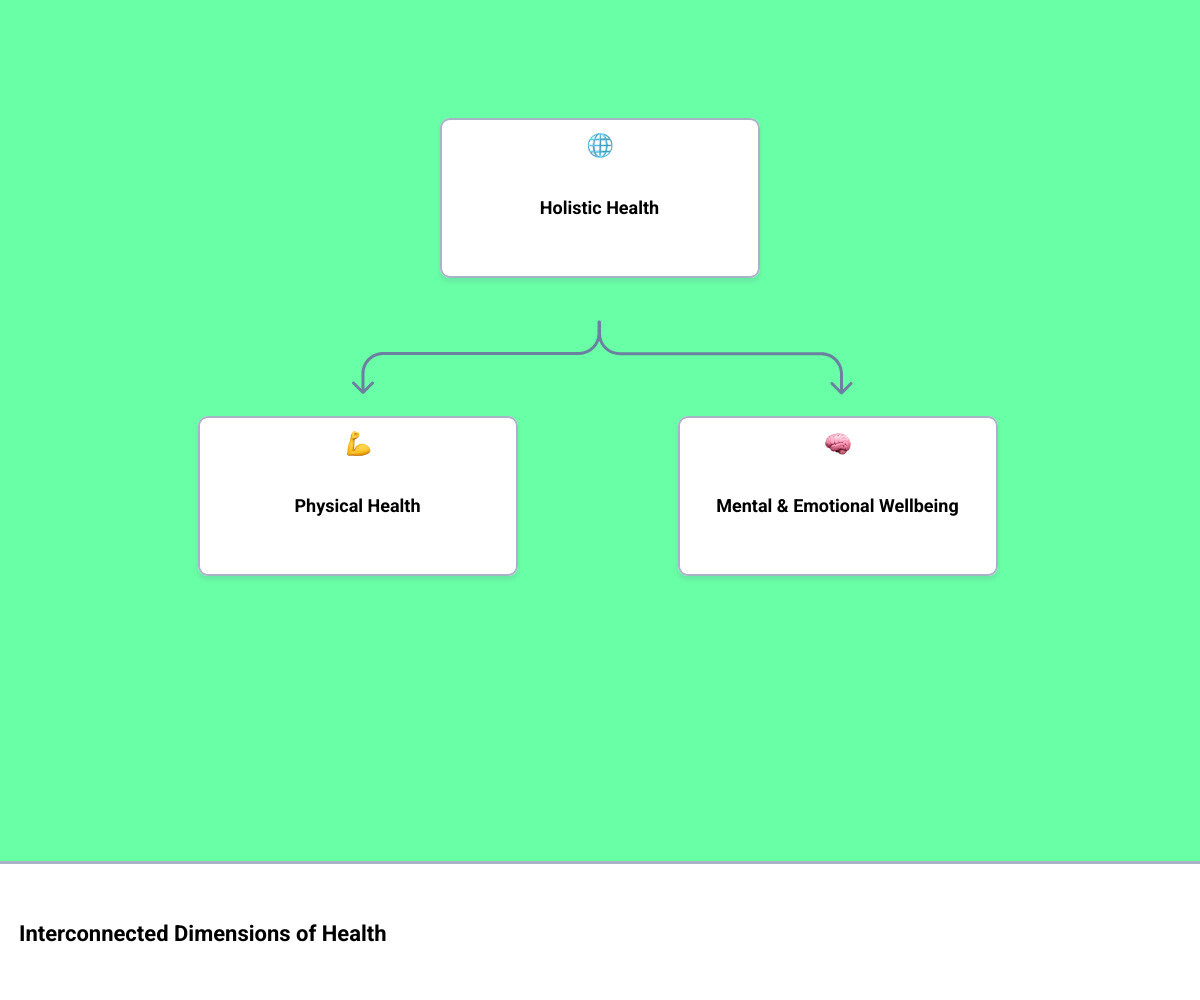
Holistic health represents a profound shift from merely treating symptoms to nurturing the entire individual. This approach, often encompassing various holistic wellness approaches, views health as a dynamic interplay of physical, mental, emotional, social, and spiritual dimensions. The term “holism” itself originates from the Greek word “holo,” meaning “whole,” emphasizing the intimate interconnectedness of all parts of a person’s being.
In contrast, conventional medical approaches traditionally focus on diagnosing and treating specific diseases or isolated symptoms. While highly effective for acute conditions and emergencies, this model can sometimes overlook the broader context of an individual’s life that contributes to their overall well-being. For instance, a conventional doctor might treat a headache with medication, while a holistic practitioner would explore potential root causes such as stress, diet, sleep patterns, or even emotional tension.
The concept of whole person health further elaborates on this, advocating for a comprehensive view that considers biological factors, psychological states, social conditions, and environmental influences. It acknowledges that health and disease exist on a continuum, shaped by these interconnected elements throughout a person’s life. This perspective moves beyond disease management to actively restoring health, building resilience, and preventing multiple chronic conditions.
Table: Conventional Medicine vs. Holistic Health Approaches
Feature Conventional Medical Approach Holistic Health Approach Focus Disease, symptoms, specific body systems Whole person: physical, mental, emotional, social, spiritual Goal Cure disease, alleviate symptoms, manage conditions Restore health, promote resilience, prevent disease Treatment Pharmaceuticals, surgery, specialized interventions Lifestyle changes, mind-body practices, complementary therapies, conventional medicine Patient Role Passive recipient of care Active participant in healing and well-being journey Perspective Often reductionist (isolating problems) Integrative (seeing interconnectedness) Time with Patient Often limited, focused on immediate complaint Typically more extensive, exploring life context 
The Core Pillars of Lifestyle Medicine
Understanding the distinction between holistic and conventional approaches sets the stage for exploring practical frameworks that integrate these principles. Lifestyle medicine, a rapidly growing field recognized by the American Medical Association, offers a structured, evidence-based approach to preventing, treating, and even reversing chronic diseases. The American College of Lifestyle Medicine (ACLM), which was inducted into the AMA House of Delegates in June 2024, has seen its membership grow to over 11,000, including roughly 3,000 board-certified physicians. This framework directly addresses the alarming statistic that 6 in 10 U.S. adults live with at least one chronic condition, and 4 in 10 have two or more.
The six core pillars of lifestyle medicine—nutrition, physical activity, sleep, stress management, social connection, and avoidance of risky substances—do not operate in isolation. Instead, they work synergistically, recognizing that improvements in one area often positively impact others. For example, better sleep can enhance a person’s ability to manage stress, make healthier food choices, and engage in physical activity. This integrated approach leverages behavioral health and lifestyle factors as primary interventions, aiming for root cause resolution rather than just symptom management.
Optimal Nutrition and Physical Activity as Health and Wellness Approaches
Optimal nutrition forms the bedrock of holistic health. It’s not about restrictive diets but about embracing dietary diversity, prioritizing fiber-rich whole foods, and minimizing ultra-processed options. A practical guide is the Harvard Healthy Eating Plate, which recommends filling half your plate with vegetables and fruits, a quarter with whole grains, and the remaining quarter with healthy proteins like fish, poultry, or plant-based sources. It also emphasizes using healthy plant oils in moderation and choosing water, coffee, or tea as primary beverages, while avoiding sugary drinks. This approach supports not only physical health but also contributes to mental clarity and energy levels.
Equally vital is regular physical activity. Often hailed as the most powerful preventive tool available, physical activity guidelines suggest aiming for at least 150 minutes per week of moderate-intensity aerobic activity, complemented by resistance training on two or more days. This combination builds cardiovascular health, strengthens muscles and bones, and significantly improves mood and cognitive function. Engaging in activities that bring joy, whether it’s hiking, dancing, or team sports, can foster consistency and make physical activity a sustainable part of a person’s lifestyle.
Restorative Sleep and Stress Management as Health and Wellness Approaches
Sleep is far more than just rest; it’s a critical period for physical and mental restoration. Emerging research in 2026 highlights the importance of sleep regularity—maintaining a consistent seven-day sleep-wake schedule—as a stronger predictor of mortality risk than sleep duration alone. Disruptions to circadian rhythms, our natural internal clocks, can have far-reaching negative effects on metabolism, immune function, and mental health. Establishing a screen-free wind-down routine and creating a conducive sleep environment are key steps toward achieving restorative sleep.
Stress management is another indispensable pillar. Chronic stress is a significant contributor to inflammation, cardiovascular disease, immune dysfunction, and mental health conditions. Incorporating mind-body practices such as mindfulness, meditation, and deep breathing exercises for at least 10 minutes daily can significantly enhance stress resilience. For those navigating relationship challenges that contribute to stress, seeking skilled couples stress counseling can provide valuable tools and strategies for healthier interactions and improved well-being. Furthermore, building stress resilience is crucial, as it equips individuals with the capacity to adapt and recover from adversity. Cultivating effective stress management techniques is a proactive step toward protecting overall health. Many resources are available to help individuals manage stress, from understanding stress triggers to building daily routines that reduce its impact. For instance, exploring various stress management techniques or learning how to build a daily routine that reduces stress and boosts productivity can be highly beneficial. When stress begins to impact sleep, understanding the connection between stress and sleep is vital for breaking negative cycles. For ongoing support, considering the best counseling paths for daily stress management can offer personalized strategies.
Social Connectedness and Avoiding Risky Substances
Human beings are inherently social creatures, and positive social connectedness is a powerful determinant of health. Research indicates that social isolation and loneliness carry mortality risks comparable to smoking 15 cigarettes per day. Prioritizing in-person interactions, participating in community groups, and nurturing meaningful relationships are not merely “soft” aspects of wellness; they are essential for physical and mental health. Strong social ties have been linked to increased longevity, improved immune function, and greater emotional resilience.
The avoidance or mindful management of risky substances—such as tobacco, excessive alcohol, and illicit drugs—is fundamental to a holistic health approach. This pillar emphasizes harm reduction strategies and open, honest conversations with healthcare providers about substance use during routine care. Understanding the impact of these substances on overall health, including their effects on the gut microbiome and mental well-being, empowers individuals to make informed choices that protect their long-term health. For those struggling with substance use, seeking professional guidance and support is a critical step toward healing and recovery.
Integrating Culture, Community, and Professional Pathways
Holistic health extends beyond individual practices to embrace the rich tapestry of cultural traditions, spiritual practices, and community support systems. Many ancient healing systems, such as Indigenous healing practices, Ayurveda from India, and Traditional Chinese Medicine, inherently embody holistic principles, viewing the individual within their broader environment and cultural context. These traditions often emphasize balance, interconnectedness, and the use of natural remedies, mind-body techniques, and community rituals for healing. For instance, a holistic approach to mental health might integrate culturally sensitive practices, recognizing that well-being is deeply rooted in heritage and community. Exploring holistic mental health wellness approaches can offer insights into how diverse traditions contribute to comprehensive care.

The growing demand for holistic care has also led to the expansion of professional pathways in this field. Individuals interested in supporting others on their wellness journeys can pursue various holistic health careers. These include:
- Naturopathic Physicians (NDs): These practitioners combine modern scientific knowledge with traditional and natural forms of medicine. Their education typically involves at least 4,100 hours of class and clinical training, with a median annual wage of $100,300 in 2021. They often spend significantly more time with patients, focusing on understanding their full life context.
- Nutritionists/Dietitians: Experts in food and nutrition, they provide guidance on dietary choices to promote health and manage disease. The median annual wage for nutritionists was $61,650 in May 2021.
- Holistic Health Practitioners: This broad category includes professionals who specialize in various modalities like acupuncture, massage therapy, yoga instruction, or energy healing. Their training can vary, but they all aim to treat the whole person.
- Health Education Specialists: These professionals design, implement, and evaluate programs that promote health and well-being within communities, schools, and workplaces. Their median annual wage was $60,600 in May 2021.
These professionals often work collaboratively, forming teams of care providers that integrate holistic approaches with conventional medical care, ensuring a comprehensive and culturally competent approach to health.
Implementing Whole Person Care in Workforces and Healthcare Systems
The principles of holistic and whole-person health are not just for individuals; they are increasingly being adopted by organizations and healthcare systems seeking more effective and sustainable models of care. In workplaces, traditional wellness programs, despite significant investment (large organizations spend an average of $10.5 million a year), often see single-digit engagement rates because they tend to focus narrowly on physical health. In contrast, holistic workplace wellness programs address the physical, mental, emotional, social, and financial well-being of employees simultaneously.
Implementing whole person care in organizational settings involves:
- Expanding Beyond Physical Health: Integrating mental health support, stress management resources, financial literacy programs, and opportunities for social connection.
- Personalization: Recognizing that “well-being means something different for every individual,” and offering tailored pathways and resources.
- Building Community: Fostering environments where employees can connect, share experiences, and support each other.
- Measuring Outcomes: Moving beyond mere participation rates to track engagement depth, behavior change, health risk reduction, and downstream metrics like absenteeism and retention.
Within healthcare systems, a shift towards systemic healthcare transformation is underway. This transformation aims to redefine healing by moving from a disease-focused model to one that prioritizes relationship-based care and addresses the full spectrum of a person’s life. This is particularly crucial given the challenges of clinician burnout, fragmented care, and patients often feeling unseen. Initiatives like the VA Whole Health approach and the Department of Defense Total Force Fitness model are examples of how large systems are integrating physical, behavioral, and social health. They combine conventional treatments with complementary approaches like acupuncture, yoga, and mindfulness, empowering individuals to be active participants in their health journey. This approach not only prevents and reverses chronic diseases but also builds resilience across the lifespan.
Emerging Frontiers in Evidence Based Wellness
As we look to 2026, the landscape of evidence-based wellness is continually evolving, shaped by exciting new research areas that deepen our understanding of holistic health. These emerging frontiers reinforce the interconnectedness of the body and mind, offering new pathways for prevention and treatment.
One of the most significant areas is the gut-brain axis. This bidirectional communication system links the central nervous system with the enteric nervous system, which controls gastrointestinal function. Research is increasingly revealing how the gut microbiome influences mood, cognition, stress responses, sleep quality, and even susceptibility to substance use disorders. Understanding this axis is paving the way for novel interventions, including dietary modifications, probiotics, and prebiotics, to support mental and physical health.
Sleep regularity is another critical focus. While the importance of sleep duration has long been recognized, recent studies indicate that maintaining a consistent sleep-wake schedule, even on weekends, is a stronger predictor of health outcomes and mortality risk than simply getting enough hours of sleep. This emphasizes the profound impact of circadian rhythms on overall well-being and highlights the need for consistent sleep hygiene practices.
Women’s healthspan is gaining specific attention, moving beyond reproductive health to address the unique biological and social factors that influence women’s health throughout their entire lives, from adolescence through menopause and beyond. This includes research into hormone balancing, bone density, cardiovascular health, and mental well-being, aiming to optimize quality of life and healthy aging for women.
In this dynamic environment, the role of physician validation and board certification becomes paramount in distinguishing credible wellness practices from the vast sea of wellness misinformation. With 75% of consumers identifying physicians as their most trusted wellness authorities, their endorsement carries significant weight. Board-certified lifestyle medicine physicians, for example, are trained to apply evidence-based interventions to prevent and treat chronic diseases. They rely on rigorous clinical research and peer-reviewed studies, rather than anecdote or fleeting trends. When seeking guidance on evidence based wellness practices, looking for practitioners with recognized certifications, such as those from the American College of Lifestyle Medicine, provides a vital filter against unproven claims and optimization anxiety. This ensures that individuals receive guidance grounded in scientific understanding, fostering genuine health improvements.
Frequently Asked Questions About Wellness Frameworks
Navigating health and wellness can sometimes feel complex. Here are answers to some common inquiries that clarify key concepts and frameworks.
What is the difference between health and wellness?
While often used interchangeably, health and wellness represent distinct yet interconnected concepts. Health is generally understood as a state of being—the absence of illness, disease, or injury, often measured by medical metrics like blood pressure, cholesterol levels, or body mass index. It can be seen as a snapshot of one’s current physical and mental condition.
Wellness, on the other hand, is a proactive, ongoing process and a conscious pursuit of optimal well-being across all dimensions of life. It’s a dynamic journey involving daily choices and habits aimed at enhancing physical, mental, emotional, social, spiritual, intellectual, occupational, financial, and environmental aspects. A person can have a chronic illness and still actively pursue wellness by focusing on controllable factors and engaging in practices that improve their quality of life. Wellness is about thriving, not just surviving.
How do the six pillars of lifestyle medicine prevent chronic disease?
The six pillars of lifestyle medicine—nutrition, physical activity, sleep, stress management, social connection, and avoidance of risky substances—prevent chronic disease by addressing their root causes rather than merely managing symptoms. Chronic conditions like type 2 diabetes, heart disease, and certain cancers are largely driven by lifestyle factors.
By optimizing these pillars, individuals can:
- Reduce inflammation: Healthy nutrition and regular physical activity are powerful anti-inflammatory agents.
- Improve metabolic health: Balanced diets, sufficient sleep, and activity regulate blood sugar and insulin sensitivity.
- Strengthen immune function: All pillars contribute to a robust immune system, making the body more resilient.
- Enhance mental well-being: Stress management, social connection, and quality sleep mitigate the physiological impacts of stress and support cognitive function.
- Restore biological mechanisms: These interventions work synergistically to bring the body back into a state of balance, promoting cellular health and reversing disease progression at a fundamental level. This holistic approach empowers the body’s natural healing capabilities, leading to sustained health restoration.
Why is physician validation important for wellness practices?
Physician validation and board certification are crucial safeguards in the wellness landscape, especially in an era rife with wellness misinformation. With the global wellness economy booming, there’s an overwhelming amount of advice, products, and services, not all of which are evidence-based or safe.
Physician validation offers:
- Credibility: Physicians, particularly those board-certified in specialties like lifestyle medicine, have undergone extensive medical training and adhere to ethical standards. Their recommendations are grounded in scientific evidence, clinical research, and a deep understanding of human physiology.
- Safety: They can assess individual health conditions, potential contraindications, and interactions with existing medications, ensuring that wellness practices are appropriate and safe for each person.
- Distinction from Misinformation: In a market saturated with unproven claims and influencer-driven trends, physician validation acts as a reliable filter. Consumers can trust that practices endorsed by medical professionals have been vetted for efficacy and safety. This helps individuals make informed decisions, avoid harmful fads, and focus on practices that genuinely contribute to their long-term health.
Conclusion
The journey toward optimal health and wellness is a lifelong endeavor, one that is deeply personal yet universally beneficial. As we navigate the complexities of modern life in 2026, embracing comprehensive health and wellness approaches means recognizing the profound interconnectedness of our physical, mental, emotional, social, and spiritual selves. It calls for proactive choices grounded in evidence, a willingness to integrate diverse healing traditions, and a commitment to nurturing all dimensions of our well-being.
By focusing on the core pillars of lifestyle medicine, leveraging emerging scientific insights, and seeking guidance from validated professionals, individuals can move beyond merely avoiding illness to actively cultivating a vibrant, resilient, and fulfilling life. The future of healthcare is increasingly holistic, empowering each person to be the architect of their own healthspan, ensuring not just a longer life, but a healthier, more meaningful one.
More Holistic Health and Wellness Tips:
- The Benefits of Alternative Medicine for Working Moms: Nurturing Health and Well-Being
- How Yoga Can Provide Several Health Benefits
- How Pranayama Supports Holistic Well-Being
